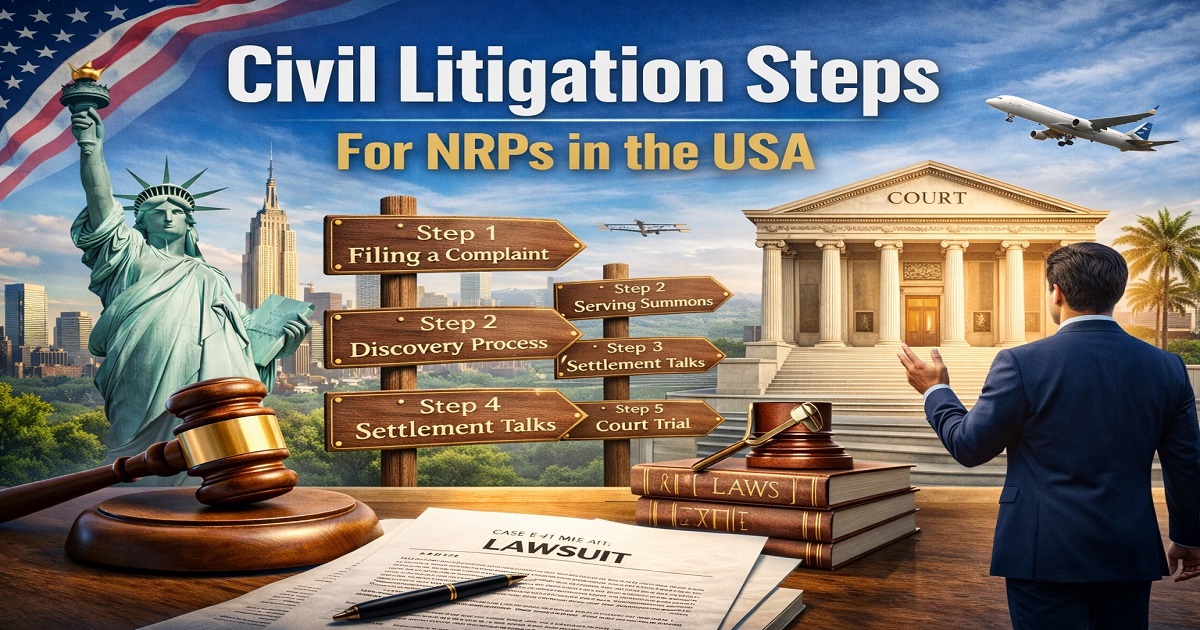
The U.S. legal system revolves around property and civil law. They safeguard the rights of ownership, settle disputes and maintain order in society and economy. These laws describe the ownership of what and how it can be utilized, transferred and secured. They also provide specific procedures in solving disputes between individuals, corporations and the state. There should be no ambiguity in rules since it will undermine trust, discourage investment, and interfere with regular life.
Importance of Property Law in Ownership Protection
The property law safeguards real and personal property (land and buildings). It establishes binding rights and obligations that allow owners to use, sell, lease or transfer their stuff without any doubt. People acquire protection over their houses and properties. Commercial real estate, intellectual property, and other long-term investments are beneficial in contributing to the growth of the economy, being stable to the businesses.
Role of Civil Law in Dispute Resolution
Civil law provides a formal means of resolving non-criminal issues – such as breaches of contracts, property rights and claims of personal injuries. It provides foreseeable measures and solutions that reduce the possibility of personal revenge and encourage justice. Courts that are unbiased allow parties to seek compensation, enforce contracts and understand their legal obligations.
Impact on Businesses and Communities
Combined, property and civil law create a reliable legal environment, which promotes business and community development as well as social order. These laws allow companies to regulate risk and ensure compliance. The communities are enjoying well-organized land use, housing safeguards, and convenient access to dispute adjudication. Ultimately, these laws balance the rights of the individuals and the general welfare of the nation.
Understanding Property Law in the USA
The law of property in the U.S. controls the manner in which we own, use, transfer, and secure real and personal property. Real property refers to the land and that permanently fixed on it which includes houses and buildings. Personal property includes mobile assets including cars, equipment and money. Law informs us of the owner and ownership, forthcoming rights involved in the ownership, and the manner in which the rights may be enforced or limited.
Ownership and Use of Property
Property law gives proprietors the right to own, use, and dispose their property, but must comply with zoning, environmental regulations, and needs of the populace. Law ensures that when you purchase a house you are able to receive clean title and lawful ownership. It also enumerates such obligations as paying property taxes and adhering to the local land-use rules.
Transfer and Leasing of Property
The sale, lease, or gift of the property is highly regulated to prevent the conflicts and fraud. In case of commercial rentals, there is law that deals with lease arrangements, duties of rent, duties for maintenance and remedy of breach. These regulations guard both landlords and tenants in that it specifies who is and is not allowed to do what.
Protection and Inheritance of Assets
The property law protects property and regulates the flow of property upon death. Inheritance laws determine the division of assets through wills, trusts or through state laws of intestacy. This ensures that transfers are done in accordance with the wishes of the owner and family remains safe in the long term.
Types of Property Covered Under US Law
U.S. property law encompasses two significant categories, including real property and personal property. All types have legislation that determines ownership rights, registration regulations and protection against illegal utilisation or transfer. These classes can enable courts, individuals and business to be able to easily determine legal interests on various assets.
Real Property and Legal Rights
The legal and real property rights, including property taxation, have been modified to enable commerce and facilitate the movement of goods and people. Real property and legal rights, such as property taxation, have been changed to allow commerce and movement of goods and people.
Real property refers to property that is attached to the ground i.e. houses, office building and other structures. Possession rights, use rights, lease rights, sale rights, and transfer rights are common rights. Ownership is demonstrated by deeds and titles being registered by local offices providing official publicity and avoiding conflicts. There are also other restrictions in zoning, easements, and mortgages, which restrict the use or transfer of the property.
Personal Property and Ownership Protection
Personal property comprises of portable goods such as cars, machinery, equipment’s and intangible ones such as intellectual property. To show ownership and allow transfer of ownership, cars and certain equipment require registration and titles. Intellectual property Trademarks, copyrights, patents are covered by federal registration, which provides creators with exclusive rights.
Registration and Title Safeguards
Title systems and registration are important in ensuring property rights are safeguarded. They document possession, support legitimate dealings and reduce fraud exposure. These mechanisms maintain property rights as transparent, safe and enforceable in real and real property.
What Is Civil Law in the United States?
Civil law addresses non-criminal conflicts between individuals, companies or organizations. It is a conflict resolver, a guardian of personal rights, and a provider of such remedies as compensation or a court injunction, not punishment. The civil law maintains fairness and order by providing a proper direction to resolve disputes.
Nature of Civil Disputes
The civil cases typically include breach of contract, property litigation, personal injury, family and consumer protection. An example is when a home owner sues a contractor who failed to complete work to collect his money. This is aimed at repairing damage and instilling legal obligations.
Difference Between Civil and Criminal Cases
The goals of civil and criminal cases are different. Criminal law is a punishment to the crimes against the society, such as stealing, beating, etc., and may result in fines or imprisonment. Civil law is concerned with personal differences. When another individual causes a car accident, the state may bring charges against him or her over reckless driving, and the victim may sue over medical expenses and damage.
Outcomes and Legal Remedies
Civil cases hardly go to jail. They normally create remedies such as monetary damages, injunctions or declaratory judgments. The purpose of these results is to pay and settle differences rather than to castigate.
Common Civil Law Cases
The cause of civil case is usually a day-to-day situation involving people and companies. Their purpose is to settle disputes, promote rights and recompense damages not criminal punishment. Being familiar with general civil litigation allows individuals and businesses to become aware of situations where lawsuits are required.
Contract and Business Disputes
These cases involve disputes arising between parties involved in contracts and business operations. Contract and Business Disputes: The cases involve dispute between parties concerned with contracts and business activities.
Some of the common situations that lead to contract disputes include a failure to meet the contract terms: unpaid bills, ineffective delivery of certain services or breach of a contract of employment. Business wrangles go to partnership wrangles, IP abuse or supplier wrangles. Courts are the ones to inspect the contract and determine the appropriate remedy.
Property Damage and Landlord-Tenant Conflicts
The civil cases on property include loss to structures, companies, or other personal property. A negligent property owner may bring an action on repairs. The disputes related to landlords and tenants are usually connected with either unpaid rent, breach of lease, living conditions, or illegal eviction. Civil law establishes definite criteria in order to safeguard both parties.
Negligence and Personal Injury Claims
Negligence occurs when an individual fails to act reasonably and injures another. Personal injury claims are due to car accidents, slip and fall or unsafe premise. The victims seek damages in the form of medical bills, lost income, and pain and suffering.
Resolving Civil Disputes
The goals of the civil courts are fairness, which is examined through evidence, legal obligations and damages. They aim to bring about balance, pay losses, and impose legal behavior both in personal and business affairs.
Relationship Between Property Law and Civil Law
Civil and Property Laws in the United States are associated. The majority of property is resolved in civil court. The property law establishes rules and right to ownership; civil law establishes the rights and solves disputes.
Property Disputes in Civil Courts
Land and property disputes are commonly presented before civil courts. Boundary issues arise when neighbors conflict over boundaries or access. To establish actual limits, judges investigate acts, questionnaires, and documents. Civil litigation is also used in determining easements or shared use.
Eviction and Landlord-Tenant Matters
In civil law, property law is seen through eviction cases. When tenants fail to pay rent or violate terms of lease, the landlords may apply to be evicted by the court. These cases have the right of the landlord and the protection of a tenant balanced in accordance with the state and local law in both cases subject to due process.
Real Estate Contract Disputes
The real estate contract disagreements involve conflicts concerning the terms and conditions of a contractual agreement on a property purchase or sale. Also dealt with in civil courts include breaches of contract involving real-estate, failed sales, hidden defects, etc. Buyers or sellers bring civil claims in order to enforce provisions of the contract or damages.
Legal Remedies Available Under Civil Law
U.S. civil law provides solutions that end conflicts and give compensation to victims. Remedies are not meant to punish, but to bring about fairness and imposition of rights. Courts decide the remedy depending on the nature and the harm of the dispute.
Monetary Damages
The most usual remedy is monetary damages. Medical expenses, lost income and pain are included in the damages, in personal-injury cases. In contractual disputes, damages are used to compensate a business due to losses in an event of a breach.
Injunctions and Court Orders
Injunction is an order that compels a party to either do or refrain doing something. Injunctions may be issued by the courts to prevent unlawful construction, to defend trademarks or to prevent recurring damage. They come in handy when finances cannot prevent harm.
Specific Performance in Contract Cases
Specific performance compels one of the parties to perform a contract rather than paying damages. It is normal with real-estate transactions since every property is special. A court may transfer a home sale in case a seller fails to do so.
Purpose of Civil Remedies
These remedies around enforce the rights, deal with losses, and settle disputes within a fair and practical manner under civil law.
Why Property and Civil Law Matters
The U.S. stability and fairness do depend on property and civil law. The combination of these measures established strong principles of ownership, responsibility and dispute resolution and this confidence was applied to people and businesses alike.
Protection of Ownership Rights
Ownership rights: these protections grant a person or business entity the rights to their property (Brown, 2009, p. 172). Protection of Ownership Rights: the rights these protections provide to an individual or business organization are the rights to their property (Brown, 2009, p. 172).
The right to own, use and transfer of assets is safeguarded through property law. Legal ownership is established by the law whether it is a family house or commercial house, or the intellectual property. This is supported by civil law, which provides mechanisms of enforcing rights in case of a dispute.
Ensuring Fairness and Accountability
Civil law provides fairness as parties are required to be accountable when duties or agreements are violated. Courts provide a fair platform on which to judge evidences and apportion blame. This will prevent self-help and promote legal conduct.
Reducing Conflicts and Disputes
Understandable regulations eliminate confusion and enmity. When conflicts occur, formalized processes solve them fast and in a peaceful manner, minimizing the effects in the long-term perspective.
Providing Legal Remedies for Losses
Access to good remedies, including financial compensation or court orders, is also provided to people who suffer loss under these laws. Disputes of Civil and Property Laws are important since they ensure trust, economic stability and justice in society by restoring balance and tackling harm.
Tips for Handling Property and Civil Law Issues
To effectively deal with issues of property and civil law, one must be aware, prepare and act in time. Regardless of the ownership issues or any other legal problem, the adherence to the practical principles of the law is likely to help safeguard the rights and avoid the inclusion of the needless complications.
Importance of Proper Documentation
Improper documentation can lead to errors, errors that occur infrequently because of the application of proper documentation. In property and civil affairs, proper and comprehensive documentation is mandatory. Legal evidence of ownership and liabilities is through deeds, contracts, leases, receipts and written agreements. Having good records will ensure that there are no misunderstandings and it also enhances your case in case a dispute occurs or a case has to be taken to court.
Legal Compliance and Preventive Measures
Legal risk reduces compliance with relevant laws and regulations. This incorporates the adherence to the zoning laws, contractual terms and legal deadlines. Knowing what you are legally obliged to avoid doing can save you the infraction that can easily result in civil suits or fines.
Early Dispute Resolution Strategies
There are early dispute resolution strategies which help in resolving disputes before they escalate into the third or fourth stage. Early intervention into disputes can save time, money and stress. Issues which otherwise would go to court are usually sorted out through open communication, negotiation or mediation before they deteriorate into lawsuits. The early resolution process helps to save relationships and enables parties to be mutually subject to acceptable solutions without going to court.
Knowing When to Consult an Attorney
When the legal issue is either high financial stake, complicated contracts, or lack of legal rights, it is better to consult a right advisor or attorney and know about legal costs and attorney fees in the USA . When the litigation becomes inevitable, legal professionals can ensure your actions are in line with property and civil law requirements to protect and guide you on the same.
Conclusion
The United States legal system is largely anchored by the property and civil law which establishes ownership rights, processes of transactions and offers dispute resolution mechanisms. Property law provides persons and corporations the security to purchase, sell, lease, and secure properties, and civil law provides procedures to deal with disputes in a fair and efficient manner. Collectively, these branches of law protect individual and business interests, lessen disputes and offer solutions in case losses are incurred. The knowledge and adherence to principles of property and civil law are the keys to ensuring legal security, promoting fairness and order of interactions in our daily lives.
FAQs
1. What does property law cover in the USA?
The law of property regulates ownership, transfer, use and protection of real and personal property such as land, houses and property.
2. What is civil law in the United States?
Civil law addresses civil and non-criminal disputes between individuals or organizations e.g. breaches of contracts or property conflicts.
3. Are property disputes considered civil cases?
Most of the property cases are civil cases dealt with in state or federal courts, yes.
4. What types of property are legally protected?
Both real estate such as land and personal property such as machines, equipment’s and intellectual property are covered.
5. What remedies are available under civil law?
Courts can grant damages, grant specific performance, or put on injunctions to settle the case.
6. How does property law affect homeowners?
It spells out property jurisdiction, zoning, mortgages and safeguards against fraudulent claims.
7. When should I consult a property or civil lawyer?
Legal advice should be sought in the event of disputes, contracts, ownership issue or even possible civil litigation.