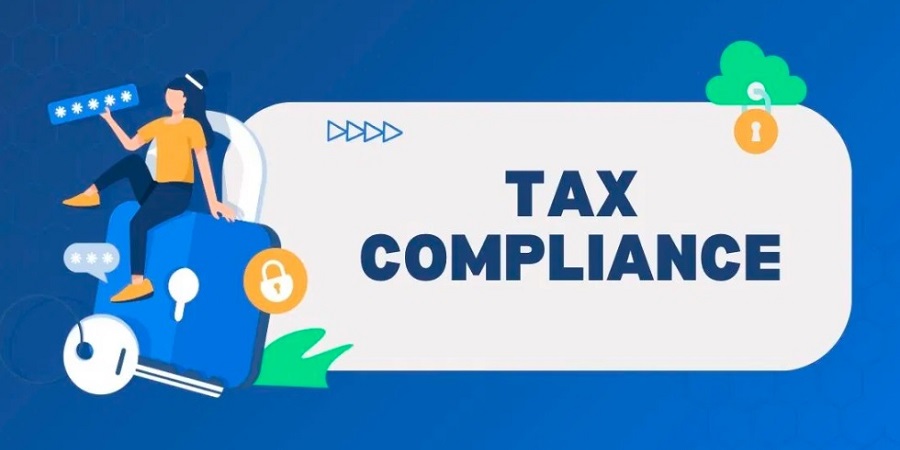
In the USA, tax compliance of small businesses is an issue in 2026. Compliance with state and federal tax regulations will mean that the businesses remain legal, are not slapped with expensive fines and will not forfeit the confidence of their stakeholders, such as investors, customers and the regulatory bodies. Tax compliance is a critical part of running a lawful business in the United States and should be understood alongside broader regulations covered in our Business Law Legal Guides for USA Companies.” Small businesses in the United States must follow federal tax rules and filing requirements established by the Internal Revenue Service (IRS).
Importance of Following State and Federal Tax Regulations
Small businesses have to comply with federal regulations on IRS, as well as with state tax laws, such as income tax regulations, sales tax regulations and employment tax regulations. Effective compliance also protects the business against audit, legal challenges, and negative publicity in addition to enhancing fair financial reporting. Federal tax responsibilities for small businesses are also outlined by the U.S. Small Business Administration (SBA)
Consequences of Ignoring Small Business Tax Filing Requirements
Lack of compliance with specifications in tax filing may lead to massive fines, interest, and even prosecution. It is also damaging to relationships with vendors, investors, and customers which puts the sustainability and growth of the business at risk.
Benefits: Avoiding Penalties, Maintaining Credibility, and Enabling Growth
Tax compliance of small businesses eliminates penalties and audit risk, helps to establish credibility among partners and investors, and provides access to funds and growth. With the distractions of the law eliminated, compliant businesses are able to concentrate on growth and strategic planning.
Example: Small Businesses Fined for Late Filings
As an example, in the US, many small businesses are fined annually due to the late filing of income or sales tax returns. These examples demonstrate the necessity of reporting in time, recording the things, and meeting the tax deadlines to maintain the financial stability and business image.
Understanding Small Business Tax Obligations
Small business tax obligations are the legal implications that a company has to undertake in order to meet the state, federal and local tax obligations. These obligations are vital to the US entrepreneur since in 2026, they need to comprehend them to prevent fines, utilize financial resources efficiently, and invest long-term development.
Definition of Small Business Tax Obligations
The tax requirements of the small business are to produce the correct tax returns, pay income taxes, employment tax, sales taxes, and other taxes related to the industry at the necessary time. These duties provide adherence to IRS rules and state taxing authorities as well as facilitate adequate financial reporting and accountability. Key tax concepts such as deductions and compliance obligations are clearly explained by Cornell Law School’s Legal Information Institute.
Differences Between Sole Proprietorship, LLC, and Corporation Responsibilities
Sole proprietorships declare the income of the business on the personal tax return of the owner thus making the filing easier although it is subject to self employment taxes. LLCs can be taxed as either pass-through entities or corporations with flexibility with possible tax planning advantages. Corporations incur different corporate tax returns, are bound with more complicated reporting conditions and higher compliance standards, such as payroll taxes and reporting shareholder dividends. It is always important to know these differences to be compliant and effective in finance.
How Tax Obligations Affect Cash Flow, Accounting, and Strategic Planning
The taxes are direct consequences of cash flow and have to be carefully estimated to cover the payments in the quarterly estimates, payroll taxes, and other liabilities. Proper accounting will ensure that deductions are recorded reducing the tax liability but also making compliance with the regulatory practices easier. To maximize profitability and sustainability, strategic management of tax obligations would lead a small business into making effective decisions regarding its growth, investments, and corporate structure. Accurate record-keeping is essential for tax compliance and is widely recommended by Investopedia for small business owners.”
Small Business Tax Filing Requirements in the USA
The tax filing in the USA in small business is crucial to maintaining and keeping its compliance, avoiding fines, and effectively controlling cash flow. The IRS and state governments have maintained stringent filing requirements of all forms of business in 2026. Tax obligations are closely tied to overall legal compliance, which is explained in detail in our Business Legal Compliance Checklist for US Companies.
Overview of Small Business Tax Filing Requirements
Small firms should also file proper income tax returns, payroll tax returns and other tax returns. Compliance It includes reporting of business income, expenses, employee wages and approximate tax payments to federal as well as state tax authorities. Correct filing safeguards the business against fines, audits and interests.
Forms Required: 1040 Schedule C, 1065, 1120, W-2, 941
The form requirements vary with the business structure. Income and expenses are filed by sole proprietors on Form 1040 Schedule C. Form 1065 is filed by partnerships and Form 1120 by corporations. Employers also need to file employee wage forms -W-2 and quarterly payroll taxes on Form 941. It is imperative to make sure that the right forms are submitted.
Filing Deadlines and Tips for Compliance
The federal income tax returns are normally due on or before April 15, with quarterly estimated returns by self-employed persons or corporations. The deadlines of payroll and employment taxes are different. Keeping it on track, accounting software, and tax experts can assist small business in meeting deadlines and minimizing errors.
Example: Filing for a Single-Member LLC vs S-Corp
A one-member LLC tends to be taxed as a disregarded entity through a schedule C with the owner on the personal return. An S-Corp however, has a filing of Form 1120-S and shareholders receive K-1s and payroll tax reporting also has to be observed. The knowledge of these differences is going to provide the right filing, lessens the audit risk, and wisely plans taxes.
Payroll Tax Compliance for Small Businesses
Compliance with payroll taxes is an important element in the functioning of small businesses in USA. In 2026, compliance with federal and state payroll taxes laws will help companies evade fines and audits, as well as avoid legal claims and report incorrect benefits and reporting to employees. New and small business owners should also review our Startup Business Law Essentials in the USA guide to understand their legal and tax responsibilities from the beginning.
Importance of Payroll Tax Compliance USA
Adherence to the payroll tax laws protects the business and its staff. Proper filings on the Social Security, Medicare, federal unemployment (FUTA) and state payroll taxes will avoid excessive fines, employee trust and responsible corporate governance. Proper governance also plays a role in tax transparency and accountability, as explained in our Corporate Governance Essentials for US Companies guide.
Employer Obligations: Social Security, Medicare, FUTA, State Payroll Taxes
Employers will be required to collect and remit social security and medicare taxes on the wages of employees, make corresponding contributions, as well as pay federal unemployment tax (FUTA). State payroll taxes such as unemployment and withholding income will differ according to jurisdiction and must be reported in time. These obligations help to guarantee legal compliance and make the company safe in case of punishment.
Payroll Reporting and Software Recommendations
The form requirements vary with the business structure. Income and expenses are filed by sole proprietors on Form 1040 Schedule C. Form 1065 is filed by partnerships and Form 1120 by corporations. Employers also need to file employee wage forms -W-2 and quarterly payroll taxes on Form 941. It is imperative to make sure that the right forms are submitted.
Tips to Prevent Common Payroll Mistakes
To avoid errors, small business must twice verify the employee classifications, proper withholding of taxes, maintain current records, and make timely payments of tax deposits. Errors and compliance can be minimized using regular internal audits, training of staff, and use of payroll software options to keep the company on track throughout the year.
Income, Self-Employment Tax, and Quarterly Estimated Payments
Knowledge of income and self-employment taxation is essential to small business owners in the USA. By 2026, timely and correct reporting will result in compliance and avoid penalties and proper cash flow management.
Overview of Income and Self-Employment Tax Obligations
The federal income tax and self-employment taxes are applied to small business owners, freelancers, independent contractors, and include the contribution to the Social Security and Medicare schemes. These are subject to net business earnings and they should be shown on IRS forms like Schedule C and Schedule SE annually.
How to Calculate and File Quarterly Estimated Tax Payments
The quarterly estimated tax payments would enable business owners to cover tax liabilities on a year-round basis. To compute payment, estimate annual income, use the federal and state rates of tax and divide by four. Federal taxes and state forms are usually paid by means of Form 1040-ES. Precise estimations ensure a large tax bill at year-end and compliance.
Avoiding Underpayment Penalties
Punishment of underpayment takes place in cases where estimated taxes are underestimated or paid later. To prevent them, owners of businesses should estimate the income projections frequently, adjust their payments to the fluctuations of the earnings, and track the liabilities with the help of the IRS calculators or accounting software. Being proactive will also keep things within the law, minimise fines and allow the company to remain afloat.
US Business Tax Deductions and Credits (2026)
Tax deductions and credits on businesses are effective in reducing taxable income and optimizing cash flow to the US businesses in the year 2026. It is also paramount to know about eligibility and what is required to be documented to ensure compliance and to achieve maximum financial benefits.
Eligible US Business Tax Deductions 2026
The US businesses are entitled to numerous tax-deductible expenses, such as the ordinary and necessary expenses that are directly about the operations. Such deductions are used to decrease taxable income and they can be in form of office space, salaries of employees, supplies and utilities among others. Keeping up with updates of the IRS is important to make sure that the deductions are done in the right way.
Expenses: Office, Travel, Equipment, Vehicle, and Health Insurance
The typical deductible costs are office rent, utilities and home office expenses on approved setups. Vehicle costs in travel and business which include mileage or depreciation are allowable when well captured. Taxable income can also be decreased by equipment purchases and maintenance as well as employee health insurance premiums, as long as they are in accordance with IRS rules.
Tips for Maximizing Deductions Without Triggering IRS Scrutiny
To receive maximum deductions safely, keep records, keep receipts and separate personal expenses and business expenses. Never over-claim or misclassify any items and make sure you consult with the tax professionals. The sound documentation, underestimation, and following IRS regulations allow not only to decrease tax amount but also to reduce the threat of audit and fines.
Tax Penalties for Small Businesses and How to Avoid Them
There are very stringent tax compliance requirements of small businesses in USA in 2026 and the consequences of not fulfilling tax compliance requirements can be severe. Being aware of the most frequent tax errors and putting positive action plans in place is important in preventing the expensive aftermath. Failure to meet tax obligations can also lead to legal disputes, which are discussed in our guide on How to Handle Business Disputes Legally.
Common Tax Penalties for Small Businesses
Common tax penalties are the fines on late filing, fines on underpayment and misstatements of income or expenses. Late submissions may attract a percentage fee on a monthly basis, underpayment may attract interest payments and inaccurate reporting may result in audit, fine or even a criminal prosecution. These fines may rapidly add up, affecting the cash flow and the business credibility.
Proactive Steps to Avoid Tax Penalties
To reduce the penalties, small business should keep accurate record keeping, record the personal and business finances separately, and record all deductible expenses. There is less risk of late-filing and underpayment due to early tax returns and payment of estimated taxes. The consent of professional accountants or tax consultants would be helpful to guarantee that the regulations at the federal and state levels are observed.
Example: Penalty Calculation and Mitigation Strategies
An example of this is that in a case where a small business has done work amounting to taxes of 10,000 and submits the payment on a monthly basis and submits it one month late, the IRS can impose a late filing penalty of 5 percent, i.e. 500, and interests on outstanding taxes. Some mitigation measures would be making partial payments, abating the penalty due to reasonable cause, and remediating misreported items within the shortest time possible. These practices consistently help the business to avoid financial and legal losses.
Bookkeeping and Record-Keeping for Tax Compliance
To be tax compliant in 2026, small businesses in USA will need to have proper bookkeeping and record keeping. Correct records also align income, expenses and deductions to their right place and reduce errors and penalties coupled with promoting financial transparency.
Importance of Bookkeeping for Tax Compliance
The bookkeeping assists in recording all the business activities giving a clear image of the revenue, expenses, and tax payable. When records are organized, it becomes easier to compute the annual quarterly estimated taxes, annual returns and adherence to the federal and state requirements, preventing the underpayment and misreporting penalties.
Maintain Legal Tax Documentation and Record-Keeping Procedures
Supporting tax data such as receipts, invoices, payrolls, bank statements and contracts should be maintained by the small business. It is also important to ensure that there are regular record keeping practices so that documents can be located to prepare tax returns and audit and regulatory purposes. In most cases, records need to be kept at least three or seven years based on the nature of the documentation by the IRS.
Tools: Accounting Software, Spreadsheets, and Cloud-Based Solutions
Bookkeeping is simplified by use of accounting software, spreadsheets and cloud-based solutions, which automatically calculate and save records in a secure place. QuickBooks, Xero, and Gusto are a few of the platforms that can assist small businesses in making transactions, creating reports, and keeping audit-ready records that are easy to manage.
How Proper Bookkeeping Aids in IRS Audit Preparation
Good records also make it easier to conduct audits by the IRS since all income, expenses, and payments of taxes are well documented and structured in an easily understandable manner. Compliance is shown through proper bookkeeping, saves on time spent on audit and forfeits on business position in case of discrepancies thus protecting against fines and legal actions.
Tax Reporting and Compliance Best Practices
In order to avoid penalties, retain credibility and maximize financial performance, accurate tax reporting and compliance is a key requirement of the US businesses in 2026. The best practices allow businesses to comply with the federal and state requirements and effectively handle the risk.
Tax Reporting for US Businesses
US companies are required to transfer income, expenses, deductions, and payroll taxes with the correct amount of information in the federal and state tax returns. Prompt and accurate reporting of sales, wages paid to employees and cost of doing business helps to ensure that the provisions of the IRS and state regulations are adhered to and also in the maintenance of transparent financial records by stakeholders.
Tax Compliance Best Practices
Bank account reconciliations, invoices and payroll reconciliation will assist in detecting irregularities prior to submission. Setting internal review dates, keeping systematic records, and performing a regular professional review will minimize the amount of errors and assure that filings are correct. Always remaining dynamic on tax updates, and regulatory changes also reduce compliance risks.
Compliance-Driven Financial Management Tips to Reduce Risk
Compliance in everyday financial management makes overall business operations have more strength. The businesses are advised to keep personal and business finances apart, make deductible expenses accountable, use accurate accounting software, and seek the advice of tax professionals frequently. Such practices eliminate penalties as well as enhance the cash flow management, strategic planning and investor confidence.
Small Business Tax Management Tips
In 2026, efficient tax management of small businesses in the USA can make them as efficient as possible with a minimum of obligations and compliance. The strategic practices make owners organized, prevent penalties, and concentrate on growth.
Small Business Tax Management Tips for Maximizing Efficiency
Organized records, deductible expense tracking, and accounting software automation are some of the major measures of streamlining tax management. Anticipating quarterly progress payments and end-year filings also ensure that businesses do not face end of year surprises and last-minute rushes that cause mistakes.
Keeping Updated with Federal and State Tax Laws
Tax laws change on a regular basis at the federal and state level. Payroll regulations, deductions, and income tax rates are some of the changes that small business owners should be aware of so that they can comply with new regulations and be able to access tax benefits. It could be priceless to subscribe to updates by IRS or professional newsletters.
Hiring Tax Consultants or Accountants When Necessary
When filing complicated filings, compliance planning, and audit preparation are needed then consulting with tax consultants or certified accountants offer expert advice. They are able to allow professionals to recognize deductions, maximize tax planning, and make sure companies comply with all regulatory requirements effectively.
Scheduling Annual and Quarterly Tax Reviews
Periodical tax reviews assist in evaluating financial performance by businesses, checking on payments of taxes and making relevant adjustments. Quarterly and annual reviews will be conducted to guarantee proper filings, better cash flow management, and enhanced overall compliance to minimize the effects of penalties or the risk of IRS scrutiny.
Future Trends in Small Business Tax Compliance
In the USA, technology, regulatory changes, and government incentives are causing a rapid change in the small business tax compliance in the year 2026. By keeping on top of these trends, it can assist business owners to simplify the processes, minimise the mistakes, and smooth out the tax planning.
Digital Filing Systems and E-Invoicing
Federal and state tax reporting is going to be standardized using digital filing systems and e-invoicing. The businesses can use these platforms to file tax returns electronically, monitor payments in real-time, keep precise audit-ready records. Automation promotes less paper work, less human error, and the right timing of meeting tax deadlines.
AI-Assisted Bookkeeping and Compliance Monitoring
Bookkeeping and tax compliance AI-driven systems are changing how people record their expenses and identify discrepancies and track how much an organization complies with federal and state laws. These technologies assist small businesses in detecting risks at the early stage, maximizing deductions, and minimize the chances of audit or fines.
Tax Incentives and Regulatory Updates for 2026
The tax incentives and regulatory changes to encourage the development of small businesses are still being implemented by the IRS and state authorities. These consist of research and development credits, energy efficient investments, and employment programs. By remaining updated on new incentives and changes, businesses will be able to maximize their benefits without violating the changing tax laws.
FAQs: Tax Compliance for Small Businesses in the USA
1. What are the main small business tax filing requirements in the USA?
Depending on the business structure and income, businesses are required to pay federal, state, and local taxes on an annual or quarterly basis. Forms include 1040 Schedule C, 1065, and 1120.
2. What is IRS compliance for small businesses?
IRS compliance refers to reporting income correctly, paying the taxes on time, keeping records and adhering to the federal and state tax rules.
3. Which tax deductions can small businesses claim in 2026?
Office expenses, travel, equipment, health insurance, business vehicles, and part of the startup costs are deductible by businesses.
4. How can small businesses avoid tax penalties?
The filing of the form on a timely basis, paying of estimated taxes, ensuring that tax record-keeping practices are in place, and adhering to tax compliance best practices.
5. What is the difference between corporate and LLC tax responsibilities?
Corporations are required to pay corporate taxes, whereas pass-through taxation is frequently used by LLC. Form and obligation filing vary according to the type of the entity.
6. How do quarterly estimated tax payments work?
Quarterly payments enable businesses to remit a part of the estimated tax liability over the year to eliminate the underpayment penalties.
7. Why is bookkeeping important for tax compliance?
Correct bookkeeping to meet the tax requirements means proper reporting, justification of deductions and ease of preparing the audits of the business with the IRS.
8. When should a small business hire a tax consultant?
Outsource a consultant with complex filings, audits, high-growth, or to adopt compliance-based financial management and eliminate mistakes.