The USA has property and civil law which regulate the rights and liabilities of personalities and commercial entities regarding property and personal conflicts, as well as civil liability. Property law is concerned with the ownership, use and transfer of real estate and personal property, whilst civil law is concerned with non-criminal litigation, such as contracts, torts, and family. All these legal systems combine to establish that both personal and business interests are safeguarded by law.
Importance for Individuals, Landlords, Tenants, and Businesses
Learning property and civil law is essential to people, landlords, tenants, and companies. The owners and tenants enjoy the existence of clear guidelines about leasing, repairing, and property demarcations. These laws assist landlords to enforce rental agreements, collect payments as well as to settle disputes involving tenants in the legal courts. Civil law helps businesses to regulate contracts, settle disputes, and secure assets to ensure a seamless operation and minimization of legal risks.
Ensuring Property Rights and Civil Order
Property and civil law ensure order and equity within the society by offering clear guidelines in regard to ownership rights, resolution of disputes and the obligations towards contracts. In these fields, legal knowledge enables individuals and institutions to make effective decisions, protect their interests and solve problems effectively, which promotes the stability and trust in the community and in the market.
Types of Property in the USA
Real Property
The term real property is used to refer to land and all items that are permanently attached to the land such as buildings or structures. The right to sell, lease or use the property is available in the ownership rights. The U.S. law safeguards real estate in the form of dees, zoning laws, and property tax. An illustration is that the legal title of a house owner guarantees that the owner can sell the house or lease it without being disturbed.
Personal Property
Personal property is the movable property, which is not tied to a particular land like the cars, furniture and equipment. The legal protection is in the form of ownership powers, registration obliges and theft or damages provisions. An example of this is that the machinery of a business or the vehicle of an individual is taken care of by civil property laws that enable individuals to claim damages in case stolen or damaged.
Intellectual Property
Intellectual property entails the creations of the mind such as invention, design, trademark, copyright, and trade secret. The U.S. laws offer protection in form of patents, copyright, trademarks and trade secret laws. As an example, patented product design excludes a company and its competitors since the former cannot imitate the prototype, whereas a trademarked logo maintains brand loyalty.
Legal Protection Across Property Types
All the kinds of properties have their own legal frameworks within the U.S. that support property rights and help to avoid unlawful utilization or violation. Real and personal property is based on the actual ownership legislation whereas intellectual property is safeguarded by specific law frameworks which ensure innovation and creativity. Knowing these differences can enable people, as well as firms to protect their property.
Property Ownership and Rights
Ownership Rights
Property ownership gives individuals or businesses legal rights to control real property or personal property. The right to use, sell, lease or transfer of property is open to owners, in accordance with local laws. As an illustration, the purchase of a house means that the owner has the right to do anything to the property, to renovate or sell.
Co-Ownership
Co-ownership is where there are two or more parties co-owning a property. These may be joint tenancy or tenancy in common, in which there is a specified interest of each of the owners. One such situation is where siblings inherit a family property, in which they need to agree on how to use it, how to maintain it, and whether to sell it or not.
Easements
Easements are legal rights which enable one person to use part of another persons property in order to achieve certain purpose. An example is that a utility company can have the right to install and maintain power lines on a private property, so that they can have access without necessarily owning the property.
Leases and Rental Agreements.
Through leases, property owners are able to provide a temporary right to their properties to tenants in return to collect rent. An example is the case of renting commercial space, in which a business is based in a building which is leased by the landlord as the ultimate owner and with some rights over the property.
Property Transfers
Transfers are defined as the change of ownership between two parties usually by means of sale, gift or inheritance. The transfer is registered by legal documents including real property deeds, which secure the rights of both parties under the U.S. law.
These points of property ownership would assist individuals and companies to manage their properties, be in legal order and address any possible conflicts in an effective manner.
Civil Law and Property Dispute Resolution
The Civil Law Matters
Civil law in USA is concerned with non-criminal contestation among individuals, businesses or organizations. The essential ones are contracts, torts, negligence and personal injury. Contract disputes will occur when parties do not abide with terms that have been agreed upon e.g. a supplier failing to deliver goods in time. Torts are wrongful acts that lead to injury, and negligence arises when an individual fails to act with reasonable care such as when a business owner is careless about the safety standards. Personal injury claims are used to safeguard people who get physically or financially hurt by the activities of another person.
Mediation
Mediation is an efficient process, which is conducted voluntarily by external third parties aiming to assist disputing parties to agree with each other on a mutually acceptable solution. Litigation is usually more costly and time-consuming than it. Indicatively, two neighbors in a property boundary dispute can employ mediation to resolve outside the court.
Arbitration
Arbitration is a process where both parties are considered in the presence of a neutral arbitrator who makes a binding decision. It is normally applied to business litigations, including disputes between businesses on contract performance. Arbitration is formal than mediation and usually faster and cheaper than litigation.
Litigation
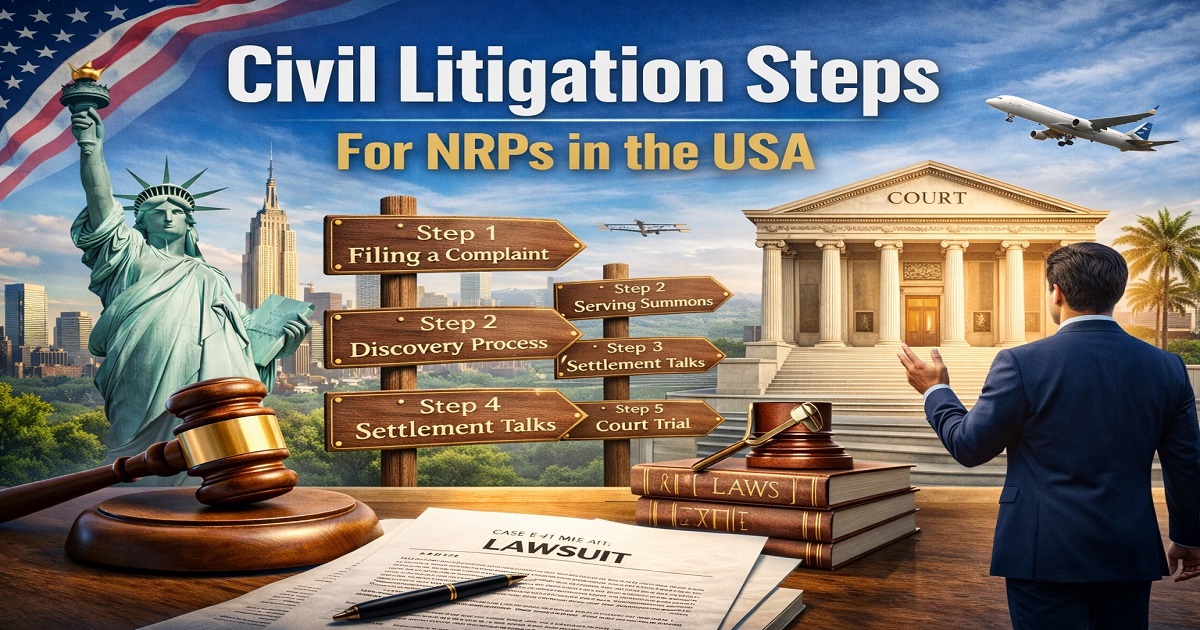
The official procedure of adjudicating conflicts in court is called litigation. It offers legally binding resolutions and is applicable to complicated or high stakes cases. An example of this is when a company sues a contractor on breach of contract when all other avenues of resolving disputes have failed.
Knowledge of civil law and methods of dispute resolution helps individuals and businesses to defend their rights, risk management, and conflict resolution in the most effective way within U.S. jurisdictions.
Property Contracts and Agreements
Purchase Agreements
A purchase agreement is a document which is a contract between a buyer and a seller that defines the terms of selling a property. It contains the purchase price, closure date and contingencies like inspections or finances. It is also good to ensure that all conditions are well documented to guard both sides and minimize chances of conflicts. In the case of purchasing a house, an elaborate purchase contract makes sure that the house is obtained as agreed by the buyer.
Rental Agreements
The relationship between landlords and their tenants is subject to rental agreements. Such contracts outline the rent, payment rates, maintenance and period of lease. State and local rental laws should be followed to the letter to avoid confrontation and implement rights of tenants. The same applies to commercial leases of office space or retail stores to ensure protection of both parties.
Mortgages
Mortgages are contracts between the lenders and the borrowers specifying terms of loans to purchase real estate. They consist of payment plans, interest rates, and default ramifications. It is important to comply with the federal and state laws of mortgage to prevent legal complications and guarantee enforceability of the loan.
Property Sale Contracts
Contracts of property sale solidify the process of the property being sold to the buyer. These are usually warranties, disclosures, and conditions to closing. Effective legal scrutiny is necessary to support the contract in fulfilling all the requirements of contract laws and guard against future legal actions.
Tips for Legal Compliance
To ensure compliance, always ensure that the contracts are written, obligations are well laid out, contingencies are laid out, and the contracts are reviewed by a lawyer before signing. Well written contracts help reduce conflict, secure property rights and facilitate a smooth transaction within the U.S. Property Law.
Landlord-Tenant Laws
Tenant Rights
In the USA, tenant rights are laws that secure the rights of people who rent residential or business houses. Tenants are entitled to habitable and safe living or working conditions, privacy, and unlawful eviction. As an illustration, when a tenant has a broken heating system, the landlord is obliged by the state housing laws to fix it within a specific time.
Landlord Obligations
The property is supposed to be maintained by the landlords, the building codes must be followed, and basic amenities like water and electricity must be offered. They should also not invade tenant privacy, they should also materially notice before entering the property and adhering to the reasonable housing provisions to eliminate discrimination.
Eviction Procedures
Eviction is the legal procedure that a landlord has to use to evict a tenant due to failure to pay rent or breach of lease among other reasons. The U.S. law mandates that the appropriate notice should be given, that one has to file the notice in the court and that one may have to hold a hearing before eviction. An example is that the landlord can send a notice to cure default to a commercial tenant who does not pay rent before he can evict the tenant.
Lease Agreements
Lease agreements are binding contracts which specify the condition of tenancy, rent, tenancy period, maintenance obligations and property usage regulations. Both residential and commercial leases should have definite terms to exclude conflicts. The lease is also drafted in a good way to make sure that both the landlord and tenant are aware of their rights, legal obligations.
Knowing the laws of landlord-tenant can contribute to keeping the relationships between the sides fair, preventing any legal issues, and following the rules of the U.S. property regulations.
Property Disputes and Legal Remedies
Boundary Disputes
Boundary issues are encountered as a result of the disagreement between adjacent owners of property regarding the demarcation of property boundaries. Such fighting may be because of unclear surveys or invasions. Court ordered surveys, injunctions to discourage further encroachment or settlements between parties can be discussed as a legal solution.
Zoning Conflicts
Zoning battles occur when the use of a property contravenes the zoning policies of the area, e.g. construction of commercial facility in residential area. The remedies can be the application of variances, the appeal of the zoning decisions, or alteration of the property use in order to meet regulations. Controversies can be solved by legal court in situations where parties fail to agree with the local authorities.
Trespassing
Trespassing involves the entry of a person in the property of another person without authorization. Injunctions may be sought by property owners to prevent unauthorized access, damages to property or criminal charges in extreme cases. As an illustration, an entrepreneur can initiate a lawsuit against a rival due to constant access to restricted property.
Civil Law Legal Remedies.
To address property disputes, the U.S. civil law offers financial compensation, injunction, or enforcement through court of property rights. Conflicts may also be addressed effectively using alternative dispute resolution procedures such as mediation or arbitration instead of taking them to court through a long process.
By having an idea of property disputes and legal solutions, property owners, tenants, and business are able to safeguard their rights and find a solution to the dispute within the U.S. legal regulations.
Costs of Property & Civil Law Services
Legal Costs and Attorney Fees
In the USA, property and civil law services are billed by the attorneys according to the complexity of the case and experience of the lawyer. Disputes, contract reviews and litigation are typically charged on an hourly basis with more complex cases usually attracting higher charges. Hours to be billed are tracked that assist clients in controlling costs.
Retainer Agreements
A retainer is a payment that provides the services of an attorney after a duration of time. The retainers are usually paid by properties owners or businesses in order to provide continuing legal assistance, like lease contracts, drafting contracts, or periodic legal advice. Retainers ensure certainty of access to legal services and assist in controlling the long-run costs.
Flat Fees
Flat-fee deals imply a flat fee to a certain legal work, including the transfer of a property or the drafting of a lease or a civil lawsuit. Such a model enables the clients to choose the overall cost, and it is most suitable in routine property or civil law cases, and it minimizes the chances of having uncertain costs.
Cost‑Saving Strategies
Some of the ways businesses and individuals can spend less on legal expenses include relying on standardized contracts, conducting proactive legal planning, and settling disputes through mediation or arbitration as opposed to suing. The use of legal technology, including automation of documents and online law resources, can also be used to manage costs without compromising compliance and guarding the legal rights.
Knowledge of these fee set up and cost minimization methods enables property owners, tenants and businesses to seek legal services effectively and at the same time manage overall costs.
When to Hire a Property & Civil Lawyer
Property Purchases and Transfers
When selling or buying a property, it is important to employ a property lawyer. Legal right advisor provides assurance that contracts, deeds, and closing papers are within the U.S. law, that the title issues are avoided, and your money is not in danger. An instance of this is that a lawyer can go through a home purchase deal to identify possible areas of contention before they crop up.
Lease and Rental Disputes
Settling the landlord-tenant disputes which can be in form of lease violation, non-payment of rent, or an eviction letter, can be resolved with professional assistance. The lawyer ensures that both parties adhere to the right procedures and that their rights as per lease and state law are not violated.
Civil Litigation
In civil cases, such as boundary disputes, tort claims or negligence, an attorney defends you and assesses your case and takes you through a court of law or alternative dispute resolution, including arbitration or mediation.
Inheritance and Property Disputes
An inheritance issues include wills, probate, and co-ownership disputes, which are managed by property lawyers. They interpret the law, administer estates, and settle the disputes over the heirs to prevent the long-term conflicts.
Strategic Legal Support
Proactive involvement of property and civil lawyer ensures that you are always in compliance, minimized risks, and expert advice on tricky matters. This is a way of safeguarding your rights and ensuring that there is civil order among the people and even the businesses.
Conclusion
Property and civil law legal guides are essential to people, tenants/landlords, and businesses. They make sure that there are no conflicts and ambiguity is removed by explaining rights, obligations, and procedures. Easy direction on contracts, lease, transfers and resolutions helps you to stay in the straight and narrow, lessens the financial and legal hazard, and encourages stability over the long term. Through the reliance on legal advice, the stakeholders are able to make sound judgments and move through process complexities with an understanding.
FAQs
1. What is property and civil law in the USA?
The U.S. law under property and civil law regulates ownership, contracts, disputes, and remedies.
2. Why is property law important for homeowners and businesses?
It secures the right to ownership, valid transactions and avoids controversies.
3. What is a civil law dispute?
A conflict between contracts, negligence, property rights or personal injury which necessitates a trial before a court.
4. Do tenants have legal protections in the USA?
Yes, the laws covering tenants control rent, evictions, safety and the responsibility of landlords.
5. How much does a property lawyer cost in the USA?
Fees are either flat rate, hourly, or retainer depending on the complexity of the case.
6. When should I hire a civil or property lawyer?
Purchasing real estate, litigation, contract drafting, lease negotiations, and in inheritance.
7. How can property and civil law guides help?
They explain rights and liability, minimize conflict and offer step-wise instructions on the legal issues.