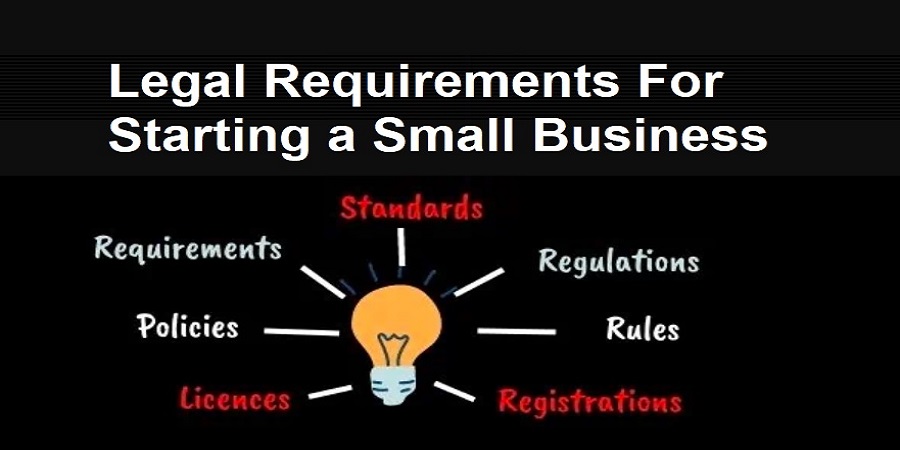
To small business owners, legal requirements are not only a regulating issue but also a strategic plan in the long-term by preserving assets, creating trust with customers, and securing future expansion. This guide will discuss the most significant spheres of legal compliance, pitfalls, and the practical steps that small businesses may take to decrease risk and act in the U.S. market without doubts.
Choose a Business Structure For Starting a Small Business in the USA
Sole Proprietorship
A sole proprietorship is the most simplest form of business with the owner and operator being one person. It gives full control and straightforward setup, however the owner himself is personally liable to all the business debts and legal matters. Taxes are reported on the owner personal return and this makes it easy to report taxes but affords little liability cover.
Limited Liability Company (LLC).
An LLC does not merge personal and business liabilities providing a level of security. It gives flexibility in terms of management and taxation, and therefore, profits can be reported to personal tax returns of owners or can be subject to corporate taxation. The costs and administrative demands to form and maintain an LLC are more expensive than the costs and administrative demands involved in a sole proprietorship.
Corporation
A corporation is an entity in its own right and it gives its owners high protection of liability. Corporations have a more easy way of raising capital and enjoy some tax-deductions, but are subject to cumbersome rules, reporting, and are subject to taxation twice unless it is organized as an S-corporation.
Partnership
A joint venture entails the ownership of two or more people. Partnerships enable pooling resources and sharing of responsibility, however, partners can be jointly liable to business debts unless a limited partnership is established. Taxation is usually pass through where profits are reported on individual tax returns of partners.
The appropriate structure is a balance between legal protection, taxation, and operation requirements to ensure that the small business ventures reduce the risks and to put the business in a position of growth.
Register Your Business Name
Importance of Registering a Business Name
In the USA, it is important that small businesses register a business name commonly known as a Doing Business As (DBA). It enables the business to run under a different name than that of the owner as well as creates credibility to the customers, suppliers and financial institutions. Viewing to proper registration also prevents cases of legal wrangles with other companies sharing a similar name.
Trademark Basics
A trademark is used to safeguard a name of the business, a logo, or even a slogan. Trademarks allow the proprietor to gain a monopoly on the usage of the marks within the country and reinforce the law in case of violations. Whereas the DBAs do register a name on a local basis, the trademarks offer a wider protection in the eyes of the law and market recognition.
Ensuring Name Uniqueness
It is important to check on the availability of a business name before registering it. This includes the verification of state business registers, federal trademarks, and domain names. Making the name obtained unique will minimize the chances of legal disputes and will contribute to the creation of a unique brand name in the market.
Obtain an Employer Identification Number (EIN)
What is an EIN?
Employer Identification Number (EIN) is a nine-digit number that is given by the IRS to a business to identify tax purposes. It acts as a Social Security number of a business and it is needed with federal tax reporting, opening business bank accounts, and employing employees.
Who Needs an EIN?
The EIN is required in most businesses in the USA, such as corporations, partnerships, LLCs, businesses that employ workers. Individuals who are sole owners and do not hire any employees may not require an EIN but it can assist them to separate business and personal finances and ease tax filing.
How to Apply
Application to EIN is a simple procedure with the IRS. The application can be done online through the IRS web site, through mail or fax using Form SS-4, or made by telephone in case of international applicant. When issued, the EIN is the permanent federal tax identification number of the business, easing the business of tax reporting and compliance.
Licenses and Permits
State and Local Requirements
The USA requires small businesses to adhere to state and local licensing regulations depending on their industry and geographical location. These needs are always diverse and not getting the required licenses or permits may lead to fines, penalties, or even closure of the business. Some typical regulatory areas are zoning, sales tax, environmental compliance and safety standards.
Examples of Licenses and Permits.
Businesses dealing with food, beverages or personal care services are subject to health permits that guarantee the safety and sanitation standards of the population. Licenses of professionals are applied in the case of the regulated professions like attorneys, accountants, contractors, and real estate agents to ensure that a person has met the standards and legal requirements of an industry. Others are sign permits, alcohol licenses and home based business registration.
Legal compliance, avoiding fines, and gaining credibility with customers and regulatory agencies are major issues that can only be achieved through understanding and proper procurement of the appropriate licenses and permits.
Zoning and Land Use Requirements For Starting a Small Business
Importance of Zoning Compliance
Small business owners in the USA need to cover the local zoning and land use rules before establishing a physical business location. Zoning laws are laws that govern the use of a property and whether an area is used as a residential, commercial or industrial or mixed use. A business that is run in a non-compliant zone may be fined, prosecuted, or forced to relocate.
Checking of Local Zoning Laws.
The owners of the business are advised to visit the office of city or county zoning, consult the municipal codes or refer to the zoning maps available online to identify the use that a given property can be used. There might also be certain areas that need to have conditional use permit or special approvals on some kinds of businesses like restaurants, child care centers or home based business. Getting the zoning regulations right assists in preventing any legal problems, business operations run well, and to ensure that the business remains in good terms with the local authorities.
Business Bank Accounts and Finances
Separating Business Finances
The separation of personal and business finances is crucial to small business in the USA and must be done in a legal manner. Having a separate business bank account cushions the personal assets of the owner, eases the tax filing process, and enhances the liability shield, particularly with LLCs and corporations. Mixing business and personal funds may erode any legal protection and lead to difficulties in the course of the audit or legal litigation.
Opening Business Accounts
To open a business bank account, one usually needs EIN, business formation documents, and ownership evidence. The banks can also provide checking, savings and merchant account to fit the business requirements, which will enable the bank to pay the employees, receive an online payment and manage the cash flow of the business efficiently.
Bookkeeping Compliance
It is both a requirement of the law and best practice to keep proper financial records in order to be compliant with taxation and other regulations. Companies need to monitor income, expenses, receipts, and invoices in an orderly manner. Correct bookkeeping will also help in making the tax filings on time, loan applications, and a clear view on the financial status. Accounting software or professional accountants can assist with keeping the small businesses in order and in compliance.
“Learn more about Business Law Compliance in the USA”
Taxes and Compliance
Federal Taxes
There are several federal taxes imposed on small businesses in the USA such as income tax and self employment taxation. The income tax concerns the profits received by the business, whereas the self-employment tax includes the Social Security and Medicare payments of the sole proprietors and partners. Corporates can also pay corporate income tax, where S-corporates can enable profits to be passed to personal tax returns of shareholders.
State Taxes
The taxation requirements of the state differ according to business location and structure. Income tax, franchise tax and unemployment tax are common state taxes. Companies selling goods or services will also have to raise and pay sales taxes, the rates and regulations of which vary depending on the state. It is essential to know state-specific obligations to prevent punishment.
Local Taxes
Lenient local governments can attract an extra tax like property tax, business licensing tax, or local sales tax. Adherence to the local rules will help the business to be legal and it will not be fined.
To stay a sustainable small business, it is necessary to maintain proper tax compliance on all levels: federal, state and local. Effective recordkeeping, on-time filing, and being acquainted with the relevant tax regulations assist in reducing the risk and contribute to a good financial condition in the long-term.
Insurance Requirements For Starting a Small Business in the USA
Mandatory Insurance
In the USA, certain forms of insurance are a mandatory requirement of a small business, which is determined by the industry and location. Workers compensation insurance is normally obligatory to any business with at least one worker and covers injuries and illnesses at the workplace. Unemployment insurance or disability insurance are also required in some states guaranteeing the observance of labor laws and safeguarding employees.
Optional Insurance
Although it is not mandatory in some countries, general liability insurance is used to cover businesses in cases of bodily injury, damage to property, or accidents in business premises. Errors and omissions insurance or professional liability insurance cover applies to service based businesses and protects against negligence claims, mistakes or even lack of delivering professional services.
The appropriate choice of the mandatory and optional insurance combination assists small enterprises to reduce risks, secure assets and remain within the law. When an insurance professional is consulted, it is guaranteed to have a coverage that is fitting to the type of business, size, and the specifics of the operational risks.
Ongoing Legal Compliance
Annual Reports and Renewals
In the USA, small enterprises are required to submit annual reports to their respective states, and provide updated information on ownership, addresses, and registered agents. The inability to present these reports on time may lead to penalties or administrative dissolution. Also, licenses and permits have to be regularly renewed to continue working, and companies have to monitor the expiration dates to be in compliance.
Maintaining Licenses
It is important to constantly check and keep all the necessary business licenses and permits. This involves making sure that professional licenses, health permits and zoning approvals are up to date. Failure to do so may result in fines, closure of operations or prosecution.
Record-Keeping Best Practices
Proper and systematic record keeping is one of the pillars of continuous compliance. The companies are expected to maintain financial documentation, contracts, tax returns, and personnel records during the required timeframes. On-record management facilitates the simplification of audits, regulatory examination, and internal administration, so the enterprise will run efficiently and legally.
Tips for Avoiding Legal Issues
Use Checklists
By making and adhering to compliance checklists, business owners who are small business owners will remain organized and make sure that every provision of the law is taken care of. Checklists may include licenses, permits, tax filings, contracts and reporting due dates, and lower the chances of missing important duties.
Consult Legal Professionals
Collaboration with attorneys, accountants, or business advisors will offer expert advice regarding complicated legal and regulatory issues. Professionals are able to assist in the drafting of contracts, reviewing compliance policies, and giving suggestions on how to manage risk, which will guarantee that the business meets all the requirements of law.
Stay Updated with Regulations
Federal, state and local laws and regulations are subject to constant changes. To stay updated, small businesses are expected to keep an eye on changes, subscribe to industry newsletters and join local business associations to stay updated. Keeping up with the times can avoid violations, penalties, and disruption of operations.
These practices would build a proactive legal compliance strategy, minimizing risk and leading to business success in the long term.
Conclusion
The legal requirements are vital to the smooth and sustainable operation of small businesses in the USA. The compliance prevents fines, penalties, and legal complications and safeguards the personal assets of the business owner. Regulations also create credibility among clients, suppliers, and financial institutions, which lead to trust and long-term development. With the appropriate choice of business structure, license maintenance, financial administration, and knowledge of the federal, state, and local legislation, small business owners can concentrate on growth and success without fear of failure.
FAQs
1. What are the first legal steps to start a business in the USA?
Select business type, register business name, and get EIN.
2. Do all businesses need a license in the USA?
The majority of them do, and the requirements depend on the state and the type of business.
3. How do I choose the right business structure?
Take into account the liability protection, taxes and business objectives.
4. What taxes must a small business pay?
Federal, state, local income tax, sales tax and self-employment tax.
5. Is business insurance mandatory?
Certain ones such as workers compensation are mandatory in some states; others are optional yet advisable.
6. Can I start a business from home?
Yes, but review local zoning and land use.
7. How often do I need to renew licenses or permits?
This is usually on a yearly basis.