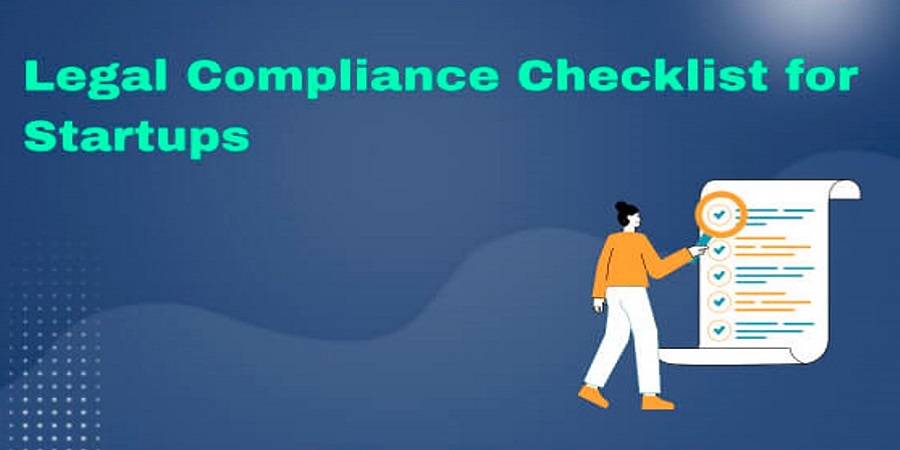
In the USA, a legal checklist is a necessity to startups in 2026 in order to comply with the law, safeguard intellectual property rights, and build a strong platform to expand. Startups encounter numerous challenging federal, state, and local regulations and ignoring some of the most important legal obligations may threaten operations, capitalization, and sustainability. Every startup must comply with essential business law requirements in the USA to avoid legal penalties and operational risks.
Importance of Startup Legal Requirements USA
Start-ups are obligated by the law to be registered, licensed, tax-compliant, protect intellectual property, and comply with employment laws. The fulfillment of these obligations protects the company, creates credibility in the eyes of investment, and the exposure to lawsuits or regulatory fines is reduced.
Consequences of Missing Compliance or Legal Documentation
What can happen to non-compliance with the law is severe fines, loss of intellectual property rights, loss of funding, and business closure. The absence of contracts or permits could also cause conflicts with partners, workers, or governments.
Example: Early-Stage Startup Failing Due to Unregistered IP or Missing Licenses
To illustrate, a fledgling technology company collapsed because a rival had registered its unregistered patents legally and local government fined the firm to continue its operations without necessary business licenses. The case emphasizes the importance of having comprehensive legal checklist to help in safeguarding assets, adhering to the regulations and preventing operational disruptions. Startups must obtain the required business licenses and permits at the federal, state, and local levels.
Business Formation and Incorporation
The first step in the USA in 2026 until startups and small businesses are to form a proper business. Creating the appropriate legal form guarantees regulatory stability, safeguard personal resources, and further development and fundraising. Startups must legally register a business in the United States to operate and access tax and banking systems.
Steps in US Business Formation Checklist
A formation process is initiated by choosing a business name, registering it with the relevant state agency and receiving an Employer Identification Number (EIN) with the IRS. The second step is to establish initial documentation, including operating agreements or bylaws, obtain licenses and permits, as well as state and federal tax registration documents.
Choosing Entity Type: LLC, C-Corp, S-Corp, or Partnership
The choice of the appropriate entity type has implications on taxation, liability and governance. LLCs offer flexibility and minimize the liability of owners. C-Corporations are appropriate in raising venture capital but they have a disadvantage of being taxed twice. S-Corporation is a combination of pass-through taxation and limited liability, limited by the number of shareholders. They are easier to establish and less protective of liability. Such differences are very important to legal compliance and planning. The IRS explains key LLC vs corporation differences related to taxation and legal liability.
Business Incorporation Laws USA and Filing Incorporation Documents
Corporation laws of business are state laws, usually based on the statutes like the Delaware General Corporation Law or the state laws. Particles of Organization (LLC) or Articles of Incorporation (Corporation) are the incorporation documents, which are officially filed to create a legal entity and gives the authority to act.
Example: LLC vs C-Corp for Fundraising and Liability Protection
Indicatively, a pre-adolescent tech start-up selected a C-Corp to raise venture capital, issue various classes of shareholders and secure the personal assets of founders. Conversely, a small consulting company chose LLC, which had an advantage of easier management and pass-through taxation as well as liability coverage, which reveals the influence of entity selection on growth and legal strategy.
Intellectual Property Protection for Startups
In 2026, the USA intellectual property (IP) protection is crucial to startups to secure the innovative product, brand image, and competitive edge. A correct IP management is key to making sure that the ideas and creations of a startup are safeguarded by law which is essential to any potential investor and further growth. Early intellectual property protection helps safeguard trademarks, copyrights, and innovative ideas.
Importance of Intellectual Property for Startups
Intellectual property (IP) is the most valuable asset that a startup usually considers. Inventions, brand recognition and proprietary processes are covered by IP. IP protection discourages theft, maintains market presence, and enhances company valuation – especially when raising funds or buying a company.
Filing and Enforcement Best Practices
Examples that may be patented, trademarked, copyrighted or contained secret include: • Inventions and technical processes • Brand names and logos • Original creative work • Confidential trade secrets. All the types of IP protect have certain protection guidelines and entail given registration and enforcement processes.
Types of IP: Patents, Trademarks, Copyrights, Trade Secrets
Innovations that can be safeguarded by a startup include inventions and technical processes, brand names and logo, original creative work, and confidential trade secrets. Inventions and technical processes Inventions and technical processes may be patented by a startup, brand names and logos by trademark, creative works by copyright and confidential information by trade-secret protection. Every form of intellectual property has its protection regulations and demands certain legal procedures to register and implement.
Filing and Enforcement Best Practices
By protecting IP with the USPTO or other appropriate authorities, it becomes legally recognized. Prior-art searches, documentation, rights by licensing agreement, cease-and-desist letter or lawsuit should be enforced by startups. Timely and regular IP control avoids the arguments and reinforce the legal rights.
Example: IP Protection Prevents Competitors from Copying Innovations
A software start-up is an example of a company that patented its proprietary algorithm but did not launch the product yet. The patent offered legal reasons to avoid imitation when a competitor tried to replicate the technology to preserve the market share of the startup and support the investor confidence. This is a depiction of proactive IP protection that protects innovations and business value.
Contracts and Agreements for New Businesses
New businesses in the USA in 2026 need to have contracts and agreements, which are used to ensure clarity, asset protection, and responsibility definition between founders, employees, contractors, and investors. Agreements that are properly drawn up minimize conflicts and facilitate a long run development.
Drafting Contracts and Agreements for New Businesses
Contract writing involves use of good language, binding terms, and objectives of the business. The most important deals must cover obligations, rights, payment conditions, confidentiality and dispute resolution as means of securing the company and all concerned. They should be reviewed by law to make sure that they comply with federal and state laws.
Employment and Contractor Agreements
Employment contracts specify roles, responsibilities, compensation, and termination terms of employees whereas contractor agreements state deliverables, payment terms, and intellectual property rights. Such contracts can prevent cases of misclassification and regulatory compliance.
NDAs, Founder Agreements, Investor Agreements, Service Contracts
There are non-disclosure agreements (NDAs) that defend sensitive information. Founder agreements determine the ownership, equity ownership, and voting rights. The terms of funding, rights and exit strategies are established in investor agreements. Service contracts regulate the relations between the vendor or the client, the deliverables, the schedules, and the liabilities.
Tips for Negotiation and Risk Mitigation
The key points in negotiation are to know the interests of both parties and record all the agreed terms and add some safeguards like indemnity or dispute resolution. The use of legal services and documentation of records also reduces the risk, as contracts should align with the legal and strategic goals of the business.
Regulatory Compliance for Startups
In 2026, regulatory compliance is an imperative element of startups in the USA, as it provides legal functioning, safeguards investors, and eliminates expensive penalties. Startups that comply with the requirements raise credibility and create a powerful base to grow.
Overview of Regulatory Compliance for Startups
Start up regulatory compliance deals with adhering to federal, state and local legislations that regulate the organization of business, its business operations, taxation and employment. Adherence minimizes the chances of fines, lawsuits and loss of reputation and creates investor and customer trust.
US Startup Regulatory Framework: Licenses, Permits, Federal & State Filings
Startups are required to acquire relevant business permits, industry licenses, and registration with the federal and state governments. Some of the necessary filings can consist of the documents of business incorporation, Employer Identification Numbers (EIN), state tax registration and local permit to operate. To be in business, it is important to file on time and comply with regulations. Choosing the right business structure affects taxation, liability protection, and investor readiness.
Industry-Specific Compliance Obligations
There are other requirements like in healthcare, financial, or food services. They can be HIPAA health tech startup regulations, SEC financial services filings, or food-related health and safety permits. These obligations can be understood and adhered to in order to avoid violating regulations.
Example: Startup Fined for Missing Business License and Permit Requirements
As an illustration, a technological start-up was fined and temporarily closed down after it opened its doors without acquiring a local business license and permits required to operate. The case teaches the significance of compliance early on and the necessity of a regulatory checklist in order to have a legal business running smoothly.
Risk Management for Startups
Risk management is a crucial element in U.S. startups in 2026. It assists novice companies to overcome legal, financial, operational, and reputational risks. Active risk management helps startups to protect property, maintain compliance, and attain sustainable growth.
Implementing Risk Management for New Companies
Startups need to adopt organized risk management procedures, such as the identification of possible threats, the impact of the threats, and developing mitigation techniques. Planning early enables founders to plan resources, safeguard shareholders, and sustainably carry out business.
Legal, Financial, Operational, and Reputational Risk Identification
The types of legal risks are contract disputes, the violation of intellectual property, and the violation of the regulations. Financial risks include shortages in cash flows, mismanagement of taxes or the lack of funds. Operational risks include supply chain breaks, technological failures, and human problems. The reputational risks are caused by bad publicity, failure of the product or complaints. The most important step in mitigation is the early identification of these risks.
Developing a Startup Legal Risk Checklist
Some of the business formation compliance, licensing, business contracts, intellectual property protection, employment law compliance, and insurance coverage should be listed as a startup legal risk checklist. This checklist should be checked and revised on a regular basis so that any risks that are emerging are dealt with before they can become problematic.
Example: Limiting Liability Through Proper Contracts and Insurance
An illustration is that a startup has prepared detailed contractor agreements with the indemnity provisions and taken out the general liability and professional liability policies. This would minimize exposure to legal claims and business losses, and this is a reflection of how contracts and insurance can be used to manage startup risks.
Funding and Investor Legal Considerations
Funding is a very important milestone to startups in the USA in 2026 and also has significant legal implications. Correct legal planning would take into account that the equity agreements, investor rights, and corporate governance standards would safeguard both founders and investors and contribute to the long-term growth.
Equity Agreements, Term Sheets, and Founder Protections
The ownership stakes, the amount of investment, the voting right, and the exit are determined by equity agreements and term sheets. Protective provisions like anti-dilution measures and vesting plans help to protect the interests of the startup founders as well as align their interests with the investors. Well written agreements are clear and will avoid conflict and give a basis to transparent relations.
Aligning with Corporate Governance for Startups
Entrepreneurship should include investor arrangements with their corporate governance system, where the board oversees and shareholders approve, and the state and federal regulations are followed. Good governance ensures accountability, investor confidence and facilitates strategic decision-making.
Ensuring Compliance-Driven Startup Management
Through compliance-driven management, there is regular reporting of financials, compliance with the laws of securities, proper record-keeping, and continuous communication to investors. With robust law agreements and governance and operational compliance, the startups reduce risk, boost their credibility, and set themselves on a path of sustainable growth.
Employment and Contractor Legal Obligations
In the USA, employment and contractor legal requirements are significant to startups and small business in 2026. Effective administration of labor laws, payroll, contracts, all make sure that the labor laws, payroll, and contracts are adhered to, liability minimized, and the workforce productive. Understanding employment laws for startups ensures compliance with wage, tax, and worker classification rules.
Complying with Labor Laws, Payroll, Benefits, and Classification Rules
The federal and state labor laws that businesses should be aware of are minimum wage, overtime, workplace safety, and anti-discrimination. Correct payroll management will make sure that there is proper tax withholding and benefits administration. It is imperative to properly categorize workers as employees or independent contractors to evade the misclassifying tax and IRS attention.
Drafting Clear Employment and Contractor Agreements
Roles, responsibilities, compensation, confidentiality requirements and intellectual property ownership should be clearly spelt out in employment and contractor agreements.
Tips to Prevent Disputes and Maintain Compliance
To avoid conflicts, keep proper records of hours and payments and contracts. Periodically revise labor law changes, train on company policies, and seek the services of legal experts when preparing agreements. Compliant workforce through clear documentation, proactive compliance and transparent communication minimize legal risks and well managed workforce.
Startup Legal Best Practices for 2026
The US businesses in 2026 need to follow best practices in the field of startup legal to be able to comply, to secure the intellectual property, and to ensure the sustainable growth. An active legal strategy will protect founders, investors, and the company against expensive litigations and regulatory fines.
Implementing Startup Legal Best Practices for IP, Contracts, Compliance, and Governance
Startups are advised to obtain intellectual rights such as patents, trademarks, copyright and trade secrets. Preparing explicit agreements with employees, contractors, investors and clients will provide protection on legal grounds and minimize conflicts.
Maintaining Accurate Legal Documentation for Startups
Proper legal documentation is paramount to audits, investor relations as well as compliance with regulations. This contains incorporation forms, contracts, IP filings, licenses, permits and tax filings. Formatted records are useful in enabling startups to prove compliance and act swiftly to legal issues or lawsuits.
Scheduling Annual Compliance Audits and Legal Reviews
Frequent audits and legal reviews assist finding merits in the contracts, IP protection, compliance, and governance policies.
FAQs: Legal Checklist for Startups in the USA
1. What is a legal checklist for startups in the USA?
It is a guide that outlines all legal, compliance, contract, IP, and regulatory measures that start ups need to undertake in order to be operationally legal.
2. What are the main startup legal requirements USA?
Among the requirements, there are entity formation, licenses and permits, IP protection, contracts, employment compliance, and funding regulations.
3. How do startups protect intellectual property?
Startups are allowed to patent, trademark, copyright, and trade secrets and incorporate clauses on IP in agreements.
4. Which contracts are essential for startups?
Founder agreements, NDAs, employment/contractor agreements, investor agreements and service contracts.
5. What regulatory compliance obligations must startups follow?
Startups are required to comply with federal/state business regulations, licensing, industry, and tax regulations.
6. How can startups manage legal risk?
Establishing a startup legal risk checklist, buying insurance, keeping proper records and utilizing best practices.
7. Are there legal considerations for startup funding?
Yes, with term sheets, equity agreements, shareholder rights and board approvals to provide compliance.
8. What are startup legal best practices in 2026?
Keep the business law documentation, maintain management to startups that are compliance-driven, protect IP, and conduct a periodic contract review as well as remain informed about regulations.