In the given article Qanoon Ki Dunya provides the full state guideline of the Handle Business Disputes Legally. Litigation as a means of settling business disputes is paramount in preserving the finances, reputation and the future operation of a firm. Unresolved disputes may easily get out of control, leading to increased costs of attorneys in commercial disputes, long litigation and bad working relationships. Resolving disputes by following the due process of the law will mean that all disputes will be resolved effectively, equitably, and according to the laws of corporations and commerce. Business disputes are governed by established legal principles and regulations outlined by authorities such as the U.S. Small Business Administration (SBA).
The strategies of legal resolution: mediation, arbitration, or negotiated settlements are used by businesses to avoid paying excessive court costs and harming their professional reputation. Minor conflicts can be nipped early in the process by pro-active tips of corporate conflict management such as having clear contracts, written communications and ensuring there is early intervention to ensure that minor disagreements do not escalate into expensive court battles. For a broad understanding of legal frameworks affecting businesses — including contracts, compliance, and dispute resolution — see our Business Law Legal Guides for USA companies.”
Understanding Common Business Disputes
There are numerous conflicts that the businesses encounter, which are capable of derailing business operations and raising the expenses of legal procedures unless handled effectively. Knowing the typical forms of conflicts will assist companies in applying business dispute resolution strategies and reduce risks. A contract dispute typically arises when one party fails to meet legal obligations, as defined under U.S. contract law principles.
Contract Breaches
Among the most common conflicts are breach of contract which is failure to deliver goods, failure to meet deadlines or default. Dispute resolution between companies can be used by companies such as negotiation, mediation, or arbitration clauses in contracts, which allows companies to sort out issues effectively without incurring the expensive cost of litigation.
Partnership Disagreements
Profit sharing, management and ownership are some of the issues in partnerships that lead to disputes. Partnership responsibilities can be clarified by legal intervention and partnership agreements enforced, and conflict resolution strategies, such as frequent meetings or third-party mediation should be used internally to prevent the escalation and to save on attorney fees.
Intellectual Property Conflicts
Firms are finding more and more to deal with intellectual property (IP) issues such as infringement of trademarks, infringement of copyrights and trade secrets thefts. Early resolution of IP conflicts through legal proceedings, cease-and-desist letter or alternative dispute resolution can help an organization avoid expensive lawsuits and safeguard brand equity.
Client Disputes
Another prevalent problem is the disagreement with clients regarding the service quality, payment dealings or interpretation of the contracts. A method to be applied by companies so that they implement dispute resolution on companies involves clarifying the terms of the contracts to be followed, recording communications, and negotiation or mediation to keep the clients without going to court.
With the help of the identification of these typical conflicts and the use of the strategies of business dispute resolution, companies will be able to preserve assets, treat professional relationships efficiently, and effectively address commercial conflicts, dedicating neither time nor money.
Legal Methods for Resolving Corporate Conflicts
Settlement of corporate disputes through a legal approach helps in preservation of resources, preservation of work relationships, and prevention of unnecessary time wastage. Being aware of the available options will enable the businesses to select applicable solutions at lower costs rather than paying exorbitant court fees.
Mediation vs Arbitration for Business Disputes
Mediation is a third party process where a mediator tries to help parties involved in a dispute to reach an agreement. It is voluntary, confidential and tends to be more quick and cheap compared to litigation. Through mediation, companies are able to come up with agreements that are agreeable without necessarily having to go to a court. Alternative dispute resolution methods such as mediation and arbitration are widely recommended by organizations like the American Arbitration Association (AAA).
Negotiation
A negotiation is a first-hand negotiation between the parties to end a conflict without outside assistance. This approach is very accommodating and it will help avoid the development of disagreements. Together with legal advice, negotiation will be able to safeguard the company interests with less expenditure on a commercial dispute attorney.
Litigation
Litigation is an alternative of taking a dispute to court and it usually is the costly and time consuming alternative. Although complex or high stakes disputes might necessitate litigation, litigation is expensive, costly in terms of attorney, court expenses and time. Litigation is usually the option of last resort after mediation, arbitration or negotiation has been tried by the business.
Cost-Effective Legal Business Resolutions
The mediation, arbitration or structured negotiation are cost saving alternatives to litigation. These approaches save legal costs, lessen resolution time, as well as save business relationships and therefore, they are effective instruments to deal with corporate conflicts effectively.
The right legal approach to an issue allows a firm to save money, minimize risks, and deliver beneficial results, without resources being tied up in a protracted court battle.
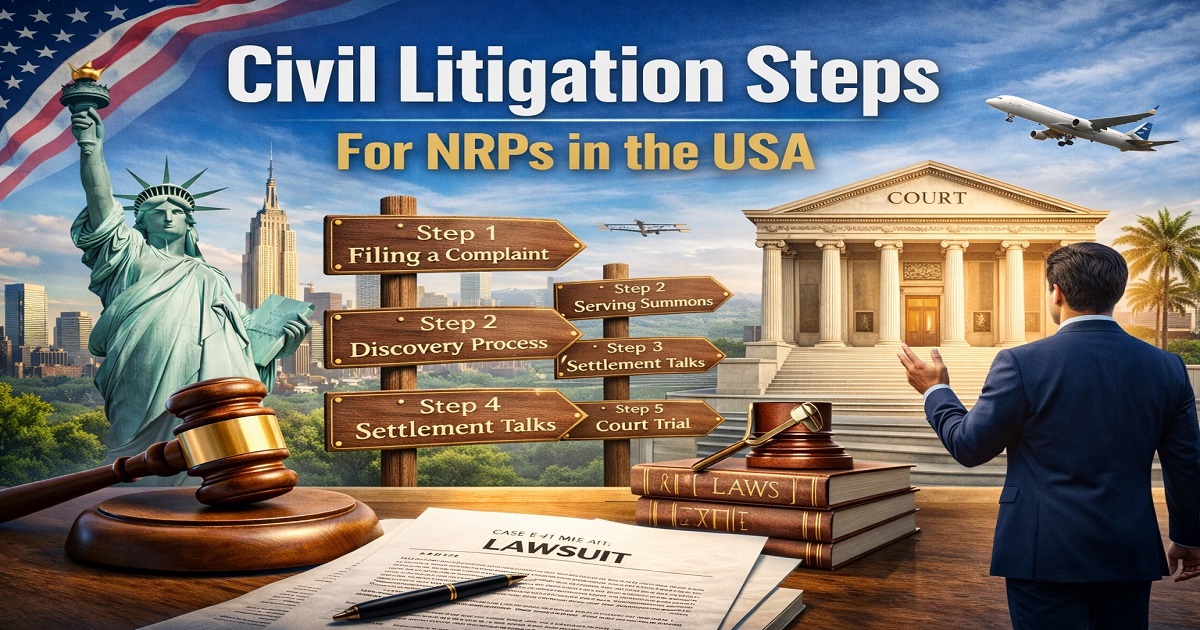
How to Settle Business Disputes Legally Step by Step
Litigating business conflicts is a well-established, step-by-step procedure that safeguards the interests of a company, reduces legal risks, and saves on money. Using simple steps makes sure that a controversy is solved quickly and correctly.
Step 1: Document the Dispute
Start with the comprehensive documentation of the problem. Maintain documents on contracts, emails, invoices, communications and all evidence that may be pertaining to the conflict. Comprehensive documentation empowers your case, enables the attorney to know the situation and give a clear picture on possible mediation, arbitration or court battle.
Step 2: Consult a Lawyer
Find advice as early as possible with a corporate or commercial attorney. A lawyer is able to evaluate the legal strength of the conflict, discuss your rights and duties and prescribe the best course of action. Avoidable and expensive errors can be avoided through early legal advice and learning how to resolve the situation without taking it to court.
Step 3: Explore Mediation or Arbitration
Mediation or arbitration should be considered before going to court. Mediation gives the third party a chance to facilitate negotiation of a mutually acceptable solution where arbitration is a decision by an arbitrator which is binding. Both are less controversial, quicker and less costly than a court process. Most business contracts have an element demanding such course of action prior to litigation.
Step 4: Prepare for Litigation if Necessary
In case of ADR failure be prepared to litigate. Consider your lawyer closely, submit the required claims, work out the supporting evidence, and devise a litigation strategy. Mediation or arbitration evidence in court proves that you have in good faith done what you do and better supports your case.
Step 5: Minimize Legal Risks
Be clear in communication, work to the contract and be professional. Enlist the services of legal counsel at an early stage, rely on written communication, and address cost-effective methods of dispute-resolution. These measures will help avoid or minimize legal risks and keep your business safe.
Through these measures, the businesses are able to resolve the disputes in the court, protect their assets and ensure the professional relationship without consuming a lot of time and incurring legal expenses.
Contract Dispute Legal Solutions
Business conflicts often arise through contract disputes, although the legal solutions and active strategies can help to avoid the situation development and expensive court proceedings. Knowledge about enforcement alternatives and mitigation of risks assists businesses to address challenges effectively. The agreements and legally valid contracts will help you to prevent disagreements and safeguard your interests in the business. The following is our Business Legal Compliance Checklist to make your contracts and other legal documents even stronger.
Business Contract Enforcement Tips
In order to effect a contract legally, they must make sure that all agreements are clear and described in detail and written. Indicate deliverables, deadline, payment terms and dispute resolution terms. During breach, communication of documents and inform the other side in a formal manner. Early consultation with a lawyer can be useful in enforcing contractual rights with minimum expense.
Legal Strategies to Avoid Lawsuits
Businesses can limit litigation risk by including mediation or arbitration clauses in their effort to force alternative dispute resolution. Positive negotiation, timely communication and clear documentation can ensure that conflicts do not develop. Frequent reviews of the contract also contribute to the removal of ambiguity and preventive disputes.
Real-Life Example: Preventing Costly Litigation
One of the small manufacturers had an issue with the supplier paying late. The company claimed arbitration clause in its contract rather than suing. Both parties agreed on the payment of the overdue money through the assistance of a neutral arbitrator without expensive court cases and years of legal disputes. The result rescued thousands of dollars of the business, as well as the relationship.
The other instance was that of a service provider that described their performance requirements well and contained a mediation provision. Mediation enabled the parties to avoid costly litigation and preserve their reputations when a disagreement over deliverables arose.
Having explicit contracts, access to legal advice in time, and provisions of alternative dispute resolution strategies, companies are able to enforce contracts, solve conflicts effectively, and prevent expensive litigation.
Legal Steps to Handle Partnership Disputes
Partnership disputes may pose to the operation of businesses, relationship and financial stability. The legal process of managing disputes between partners will make sure that conflict is addressed in a professional environment with minimum cost and business saved.
Step 1: Review the Partnership Agreement
Start by going through the partnership agreement. This document frequently gives dispute resolution mechanisms, share of ownership, profit sharing and strategies of exit. The interpretation of these terms can assist in facilitating negotiations and legal enforcement of rights on a contract.
Step 2: Open Negotiation Between Partners
Begin a negotiated settlement to solve the conflict at hand. Clear, transparent negotiation with legal advice may be all that is needed to settle disputes without legal action. Communication can also be made easier through mediation and result in mutually acceptable solutions.
Step 3: Consider Buyouts or Exit Strategies
In case of disagreements that cannot be solved within the company, think about partner buyouts. A partner can buy the other at agreed terms or a reorganization of the partnership. Legal counsel guarantees that the process of buyouts is in line with the laws in the state and that it safeguards the interests of all the parties involved.
Step 4: Draft Structured Agreements
In case of recurrent or continuous conflict situations, adopt systematic contracts that legalize settlements, future functions, and monetary deals. Such contracts save confusion and ensure that disputes do not re-occur and give a proper system of operation.
Step 5: Legal Action as a Last Resort
Litigation could be required in case of failure of negotiation, mediation, and structured agreements. Lawsuiting must be the final option because legal cases are lengthy and costly. In litigation, even previous experience of mediation or buyouts can be good in faith and can have a positive impact.
Through these legal measures, such as, checking agreements, negotiating settlements, conducting buyouts, and formalizing resolutions, businesses will be able to manage partnership disputes, minimize legal risks, and safeguard relationships and financial interests.
Cost Management in Business Disputes
Cost management in business disputes is necessary to safeguard finances of a company and deliver effective legal results. The fees of commercial dispute attorneys can easily explode when the conflicts are not managed effectively, so planning is essential.
Understanding Commercial Dispute Attorney Costs
The fees charged by attorneys in a business dispute are determined by the complexity of the case, type of the dispute, and the payment method. Legal fees can be based on hourly fees, a flat charge or a contingency charge, and a complicated lawsuit can cost tens of thousands or more. Other costs may involve the cost of filing a case in court, fee of expert witnesses, and administrative costs. These costs may wipe out substantial amounts of company resources unless keenly managed. Understanding various legal cost structures helps you budget and plan, so read our Legal Fee Structures and Attorney Cost Guide in the USA for more insight.”
Strategies for Cost-Effective Legal Business Resolutions
The alternative dispute resolution can also be utilized instead of litigation to minimize costs through mediation or arbitration. Economical and early dispute resolution can be ensured with a clear contract with dispute-resolution terms and conditions, early lawyer negotiation, and an organized negotiation procedure. Flat-rate or capped fee is also useful in predicting legal costs.
Tips to Minimize Fees While Protecting Company Interests
Record every communication and contractual responsibility in order to minimize conflicts. Hire a lawyer at the onset to prevent errors that result into lengthy cases. Phased retainer arrangements, installment payments or hybrid billing arrangements could also be considered as a means to control cash flow. Lastly, ultimately consider the possibility of settling some of the conflicts in-house or seeking professional mediation instead of taking them to court.
Through these strategies, the companies will be able to contain the costs of commercial dispute attorneys, reduce avoidable expenses, and safeguard the business interest and resolve conflicts in an efficient and professional manner.
Preventing Future Business Conflicts
It is necessary to stave off business conflict before it takes any negative turn in order to safeguard the company resources, relationships, and reputation. Applying corporate conflict management tips and strategies of managing legal disputes can ensure the firms do not make any expensive disputes that can cripple the operations.
Clear Contracts
Detailed contracts are the basis of preventing conflicts. Roles, responsibilities, deadlines, payment terms, and deliverables should be agreed upon. Unambiguous language will limit ambiguity, which will reduce the chances of confusion or disagreement.
Dispute Resolution Clauses
Include clauses of dispute resolution in the contract, as dispute resolution can be done through mediation or arbitration before court cases. These provisions give a systematic way of conflict management and resolution in a cost-effective manner that tends to save relationships of business and may not involve a costly court battle.
Regular Legal Audits
Regular legal audit of contracts, policies and operating procedures. Audits show the possible risks, gaps within the agreements and compliance issues before they become a source of dispute. Active legal management will help make sure that your business will be ready to fight and minimize liability risks.
Additional Corporate Conflict Management Tips
Keep an open communication with partners, employees, and clients. Significant decisions, approvals and agreements. Provide conflict awareness and resolution strategies to train management teams to fix the problems before they arise. The minor disagreement usually does not develop into a legal dispute because there is always early intervention.
Clear contracts, organized dispute resolution, routine legal audits, active communication will allow companies to prevent business conflicts in the future and minimize legal risks, save time and money and preserve relationships and corporate assets.
FAQs
What are the most common business disputes in the USA?
Fraud of contracts, disagreement in partnerships, intellectual property issues, and disagreement between clients are the most prevalent business disputes in the USA. Such conflicts may derail operations and raise legal expenses unless dealt with timely using effective business dispute resolution techniques.
How can I settle business disputes legally without going to court?
Mediation, arbitration, negotiation or structured settlements can be used by businesses to resolve disputes in a legal manner. Such alternative dispute resolution mechanisms are quicker, cheaper, and contribute to preserving professional relations over and above the conventional litigation.
What are the best business dispute resolution strategies?
Some of the strategies are early legal consultation, good documentation, dispute resolution provisions in contracts, negotiation, mediation, and arbitration. Such strategies save money, lower risks, and make sure that conflicts are solved effectively.
Should I choose mediation or arbitration for business disputes?
Mediation is best suited when both parties have a vested interest in the other and the parties are to agree on a way towards collaboration through mutual obligation. Arbitration is more formal, conclusive as it is and applicable to disputes that need a final decision not necessarily going to court. Selection will be based on complexity of a case and the outcome desired.
How do I handle partnership disputes legally?
Approach partnership conflicts by examining the partnership agreement, making settlements, partner buyouts and structured agreements, and seeking the advice of legal counsel. Mediation and arbitration should first be considered before litigation.
What legal methods help minimize risks in corporate conflicts?
The ways of reducing risks of corporate conflicts through legal means are clear contracts, dispute resolution provisions, periodic legal audit, active communication, and alternative dispute resolution methods. These measures stop the development of disputes and secure the company property.
How much do commercial dispute attorneys typically cost?
The price of commercial dispute attorneys depends on the complexity of a case, their billing practices, and the location. Hourly fees, flat fees, or contingency fees may vary between a couple of thousands dollars in cut and dry cases to tens of thousands of dollars in a complex litigation case. These costs can be minimized by using alternative dispute resolution.
How can companies prevent future business disputes effectively?
Corporate conflict management strategies like well-written contracts, clauses on dispute resolution, frequent auditing of the law and proper documentation may be applied by firms to avoid future conflicts through open communication with partners, clients and employees.