The USA small claims court assists individuals in settling small legal cases fast and without a lawyer. It is self-represented, and parties can submit their claims and defenses without any complications. Although the courts are amiable, it is still worth knowing the potential expenses, taxation and compliance regulations. An advisor in tax matters can help you to process the fees and follow the rules of the U.S. tax regulations, making the process of the solution smooth and responsible. In the United States of America, it is quite easy to file a small claims case as long as you know how it works. To have a government overview of small claims court, see the guide to the Small Claims Court of USA.gov.
In the USA, it may be confusing to file a small-claims case. But it is always better to know the steps one by one, the time will be saved and errors will be avoided. Numerous plaintiffs defend themselves, yet a skilled tax advisor can assist. The advisor makes sure that your filing is in agreement with the U.S. tax laws, particularly when the claim is based on business funds.
Understand What Small Claims Court Handles
Small claims court handles numerous minor disputes, and as such, it is an ideal court to attend when individuals require quick resolutions and do not need to employ the services of an attorney.
Types of Cases
Common ones are unpaid bills, property damages, landlord/ tenant cases and minor breaches of contract. An example is when a contractor failed to complete work that they had agreed to do, you may take a claim to small claims court.
Small Claims Lawsuit Procedure
To survive through the process, familiarize with small claims lawsuit procedure. This involves submitting your claim, serving the defendant, attending the hearing and evidence presentation.
Small Claims Case Preparation Tips
Preparation, such as organizing receipts, contracts, photos and communication, will provide much better chances of a favorable result. A well-prepared case will be self-represented effectively.
Check Eligibility and Claim Limits
Know your state rules before filing such as claim limits.
Maximum Claim Amounts
The limit on the claims that you can make depends on the state and is generally between 2,500 and 10,000. Being aware of your limit in your state guarantees that you are eligible and that it does not hold up.
Who Can File
These filers are eligible, and they may be individuals, sole proprietors, or, in some states, businesses. Learning these rules will assist in establishing whether you are eligible or not.
Step-by-Step Small Claims Filing Guide
It is easy to do it step by step: to be sure of eligibility, fill in the claim form correctly, pay the filing fee and serve the defendant in the proper way. Completeness decreases the chances of lateness or rejection. A small-claims case would require completion of the relevant court forms and the payment of the filing fee. A startup legal checklist can assist in making sure you have not overlooked any necessary documentation or processes to take, particularly when it comes to small-business claims.
Gather Evidence for Your Case
Viable evidence is essential in the small claims court.
Evidence Collection for Small Claims
First take all the possible documents: contracts, receipts, emails and photos. So, in the case of a claim of property damage to the tune of 1000 dollars, attach photos and repair estimates. The documentation is in detail which makes your case stronger.
Small Claims Filing Mistakes to Avoid
Some of the common errors are evidence being lost, untidy paperwork, and deadline missed. The importance of this is that by collecting all evidence at the earliest stage, you will avoid procrastination and keep your case within track..
Fill Out Required Court Forms
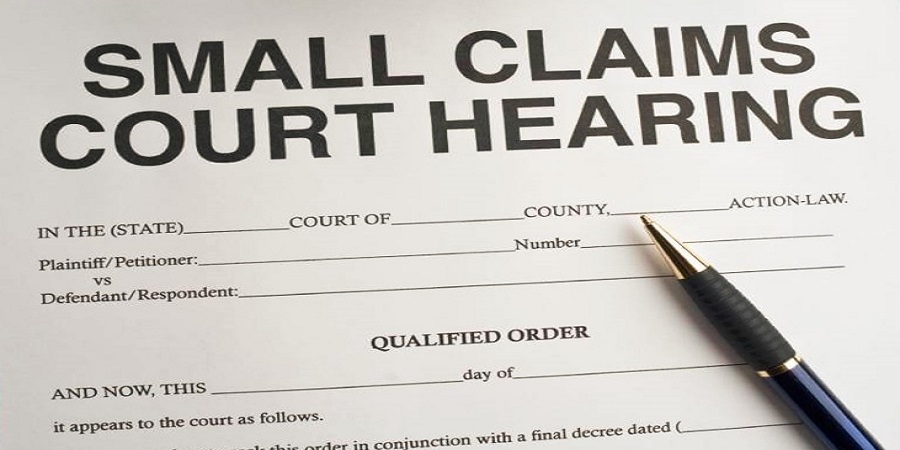
The small claims filing starts with the correct paperwork. Every state offers its version, which is often found on the web on the court site. The right form will not cause delays.
Step-by-Step Instructions for Completing Forms
Follow all directions. Complete personal details, details of the defendant and the precise sum being claimed. Write up the conflict in a straightforward manner, giving dates, occurrences and amount of money lost. Documents supporting references. Check and recheck mistake before submission because a small error is likely to result in rejection or delay.
Filing a Claim Without a Lawyer
An advantage of the small claims court is that you do not have to hire an attorney. As a plaintiff that represents oneself, the ability to fill out forms correctly demonstrates professionalism and stands a higher likelihood of victory. The guidance materials are offered to first-time filers by the courts, which assist them in overcoming the procedural requirements.
Pay Filing Fees
A small claims case involves a fee of around 30150 dollars depending on the state. Being aware of these costs will prevent any unpleasant surprises and will prevent halting your case.
Fee Waivers and Affordable Options
In many countries, courts usually provide fee waivers or exemption to low-income people, so that justice becomes more affordable. Go to the court and inquire whether you are eligible to get a waiver and how to get one.
Importance of Planning for Fees
You should plan even small fees as the part of your preparation of your cases. Awareness of costs in advance makes it a smooth process. With right planning and direction, you can keep down the cost in the process of claiming.
Serve the Defendant
Once you have filed, you have to inform the defendant. When the notification is done well, the court will be able to take the case to court and provide the defendant with the fair opportunity to reply. Depending on which state you live in, service may be by mail, by a sheriff or by a professional process server. You need to notify the defendant properly in order to continue with your claim. Looking at cases like probate and estate legal fees would demonstrate how legal notifications and fees operate in practice, which would guide you through the right process in a small claims court.
Timing and Procedure
Adherence to such timelines is necessary to adhere to the court processes and prevent procrastination. Record service- Have a signed affidavit of notification.
Preparing for the Hearing
Having a prepared hearing will raise the chances of a smooth trial and show professionalism to the judge.
Prepare for Your Hearing
Winning in a small claims court is majorly about preparation. Prepare all the papers, including contracts, receipts, emails, photos, and all other transfer and related correspondence in order to have the judge know your case in a short time.
Practice Presenting Your Case
You need to rehearse your presentation even in the absence of a lawyer. Prepare main arguments, describe what happened and be prepared to ask questions. Practicing creates a feeling of confirmation and concentration during the hearing.
Small Claims Case Preparation Tips
Prepare following tips to prevent overall errors. Use brief words, remain business-like, and do not be emotional. Whenever possible refer to evidence and keep full documentation. A step-by-step guide ensures that you have not overlooked the steps of the procedure which will present your case the best. When you do it right, you will stand a better chance of success and the whole process will be smoother and easier.
Attend the Hearing and Receive Judgment
Go to your hearing to have the confidence. Prepare to have the judge inquire about the argument, the evidence and claims put forward by the defendant. Be clear in presenting your documents making sure that every document you are using backs up what you are saying.
Presenting Your Case
Be professional and to the point. Even chronologically defend your case using contracts, receipts, and photos. Do not engage in personal attacks, clarity and organization are important in a good presentation.
Receiving and Enforcing Judgment
The judge will make a ruling after listening to both parties. In the event of a win, the verdict is the sum granted and the time frame. The judgment can be enforced by either wage garnishment or bank garnishment should the defendant fail to pay on his/her own. Being aware of the process would mean effective implementation and effective end of your claim.
Conclusion
Going through small claims court necessitates a clear sense of every step. Find the eligibility of checks and claim limits in your state, collect all the evidence such as contracts, receipts, and photos, fill out the forms properly, and make any filing fees (researching waivers as required). Present the defendant in an appropriate way, make a succinct presentation and present at the hearing with organized materials. Thorough planning and scrutinizing minimize the mistakes. Keep it together, rehearse your presentation and abide by procedural rules in order to have a better chance of a good result, particularly, being a self-represented plaintiff.
Further, seek the advice of a tax advisor on legal compliance and financial compliance with the tax laws of the U.S. A tax specialist can assist in managing the costs of filing, realizing the possible tax impact of settlements, and make sure that your claims case in small claims is compliant with the financial regulations. All these precautionary measures will ensure your experience is efficient, compliant and as stress free as possible.
FAQs
What is the maximum amount I can claim in small claims court?
It differs depending on the state with an average amount of between 2,500 to 10,000.
Do I need a lawyer to file a small claims case?
No. Small claims court is intended to take self-represented plaintiffs.
How do I serve the defendant?
Through mail, sheriff or process server, as per state regulations.
Where can I get small claims court forms?
On your state/local court web site, they can be found online.
What types of cases can I file in small claims court?
Unpaid bills, small contractual disputes, property damages and landlord-tenant issues.
Can I appeal a small claims court decision?
No, but have rigid schedules.
How much does it cost to file a small claims case?
The cost of filing is usually between 30 and 150.
What should I bring to my small claims court hearing?
Documents, factual evidence, statement of your case, witnesses should they be present.