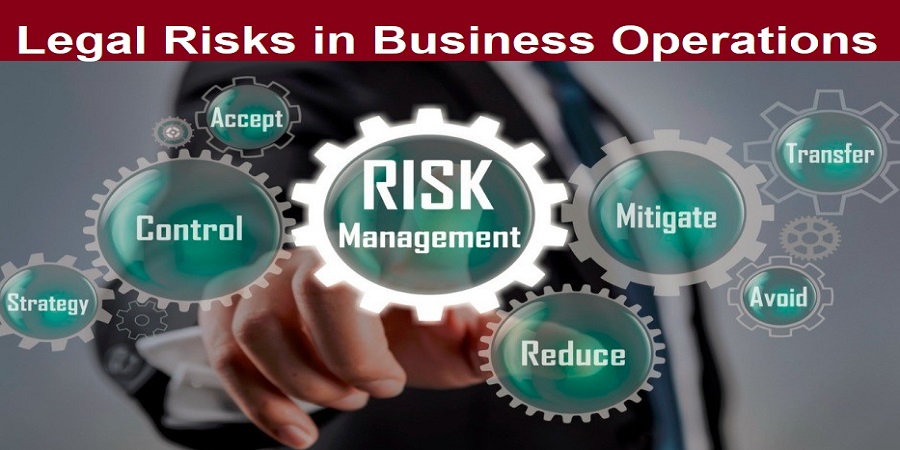
The Legal Risks in Business Operations are the possible issues that can occur when a business does not act according to laws, regulations, or contracts, or even the industry standards. They may prompt litigation, regulatory fines, employment law claims, and intellectual property theft, litigation, and breaches of data security. These risks are faced by all businesses regardless their size and industry.
Why Legal Risk Prevention Is Critical
It is crucial to avoid legal risks to sustain a business in its growth. Anticipatory risk management enables businesses to prevent expensive litigation, maintain their goodwill and ensure smooth operations. The promptness with which risks are identified and compliance measures taken enhances the level of uncertainty and provides businesses with greater confidence in competitive markets.
Consequences of Ignoring Legal Compliance
The consequences of non-observance of legal compliance may be severe: fines, litigations, license revocation, and forced closings. Criminal cases may consume financial resources, paralyze activities, and damage customer, partner, and regulatory relationships. The worst case scenario in this is that non-compliance may result in criminal liability to owners or executives.
The awareness of legal hazards and compliance prioritization are useful in preserving assets, trust, and escaping unexpected legal issues. Prevention of legal risks is not a mere form of protection, but a long-term investment in success.
What Are Legal Risks in Business Operations?
Definition and Scope
Business legal risks are the opportunities of losing money, penalties or damaged reputation due to violating laws, regulations, contracts, or legal obligations. These threats strike upon everyday operations, strategic decisions and future development. They might be internally generated, externally generated, or change in regulations.
Contractual Risks
The contractual risks occur when agreements are poorly written, ambiguous or unobserved. Price, delivery, termination or even liability disagreements can result into costly litigation and sour relations.
Employment Law Risks
Risks under employment law are those associated with hiring, wages, safety at work, discrimination, and employee classification. Failing to categories employees as independent contractors may lead to fines, backpay and legal suits, which expose businesses to huge expenses.
Regulatory and Compliance Risks
Regulatory risks occur when a company is not adhering to federal, state, or industry regulations. Failure to comply may attract inspections, penalties, suspension of license or regulator action.
Intellectual Property Risks
Intellectual property risks cannot be avoided and imply the usage of trademarks, copyrights, patents or trade secrets without authorization. Failure to protect or license IP has the potential to result in the claims of infringement or loss of benefit.
Data Protection and Privacy Risks
The threats of data protection are caused by the insecure handling of customer or employee data. When violating privacy, regulatory fines, lawsuits, and reputation damages may be experienced, especially when experiencing data breaches.
The awareness of these types of risks enables businesses to implement prevention, increase compliance, and reduce exposure to legal issues.
Common Legal Risks Faced by Businesses
Every company, whether large or small, is prone to risks that may lead to lawsuits, penalties, negative publicity, and loss of business. The initial step to managing risks is to know them.
1. Poorly Drafted Contracts
Vague, incomplete, and old contracts leave a business vulnerable to legal issues. They do not have definite payment terms, dispute resolution mechanism, and termination, as a result giving rise to disputes, losses and protracted lawsuits.
Example: A service contract which does not mention the extent of work may be faced by disagreement on deliverables and price.
2. Non-Compliance with Labor Laws
Employment law entails wages, overtime, safety, discrimination, and employee classification. Failure to do so may result in government fines, employee litigation, and reimbursement.
Examples: Employees can initiate wage claims and fines by calling them independent contractors.
3. Data Privacy Violations
Privacy laws must be assumed by businesses that gather customer or employee information. Loss of customers and loss of fines and mishandling of personal information can occur due to the breach of data or mishandling of personal information.
Scenario: Storing data about customers without the necessary security will be against the data protection regulations.
4. Regulatory Non-Compliance
There are stringent licensing regulations, environmental regulations, advertisement regulations, and financial reporting regulations applicable to many industries. These can be read or disregarded, resulting in huge fines or closures.
Scenario: Business may be halted by working without the required permits.
5. Intellectual Property Misuse
Posting copyrighted material, trademarks or patents without authorization exposes a company to infringement claims. Failure to secure its own IP will also erode competitive advantage.
Examples: The use of unlicensed software or copying of brand material may result in expensive litigation.
Final Takeaway
Active law planning such as scheduled compliance audit, proper contract writing, employee education and IP protection go a long way in reducing legal risks of a company as well as protecting its future growth.
How to Avoid Legal Risks in Business Operations (Step-by-Step)
Handling legal risks ensures that a company is not sued, fined and inconvenienced. An organized, positive action strategy ensures that organizations are in check and safe as they expand.
Implement Strong Compliance Policies
Good compliance policies provide the foundation of legal and ethical business. Organisations ought to maintain an effective employee handbook clarifying the rules, discipline, and rights. An acceptable conduct, conflict-of-interest rules, and procedures of reporting violations should be established by a code of conduct. The regulated businesses are also required to use industry-specific compliance programs. These guidelines direct employees and defend the business in the time of audit or controversy.
Use Clear and Legally Sound Contracts
Contracts play a critical role in the minimization of conflict and protection of interests. Any contract must be vetted by a professional lawyer to ensure the contract is clear and binding. Templates are the norm and eliminate mistakes in drafting. Routine audits ensure the contracts are not outdated with laws and business developments.
Scenario: Elsewhere A vendor contract that lacks liability terms exposes a business to expensive lawsuits and losses.
Stay Compliant with Employment Laws
A significant risk to business is employment law compliance. Companies should abide by the appropriate hiring and dismissal procedures to prevent discrimination and wrongful termination suits. There are wage and hour legislation such as minimum wage, overtime, and classification that need to be adhered to. Regular staff training must be encouraged to and active in enforcing and supporting the anti-discrimination and harassment policies so as to maintain a fair and compliant workplace.
Protect Intellectual Property
Protecting intellectual property is one of the principal assets that require protection through the law. The names, logos, and creative works should be registered as trademarks and copyrights by companies. Confidentiality This is achieved by signing NDAs with employees, contractors and partners to prevent unauthorized sharing. Easy IP ownership provisions in contracts ensure that work of the business remains under its control, reducing the risks of dispute in the future.
Follow Data Protection and Privacy Laws
Companies that deal with personal or sensitive data must adhere to the data protection and privacy laws. Companies should have strong security in order to protect the information of the customers and the employees against attacks. It is essential to adhere to such regulations as GDPR and CCPA to avoid massive fines. One of the weaknesses is identified through regular cybersecurity audits and demonstrates willingness to protect and comply.
Conduct Regular Legal Risk Assessments
Periodic legal risk reviews help the firms detect and correct problems in advance. Internal audit checks on compliance at all levels. Checklists monitor regulatory obligations and identify the ones that were overlooked. Risk scoring assists in ranking the most effective risks to ensure that businesses work towards the most significant.
Role of Legal Counsel in Risk Prevention
Legal advice is important in the identification, control, and avoidance of risks before they become expensive lawsuits or regulatory issues. The companies that hire lawyers at an early stage can work safely and sustainably.
When to Hire a Lawyer
Hiring a lawyer is a must when starting a business, not when the issues arise. To establish a company, to draft contracts, to make a decision regarding the employment of a person, to fulfill regulatory requirements, to deal with large transactions, lawyers play a crucial role. Early action reveals risks, compliance, and prevents unlawful mistakes which otherwise would result in lawsuits or penalties. Procrastination by only waiting until there is a dispute increases legal and cost risk.
In-House vs External Counsel
In-house counsel provides a consistent set of assistance and familiarity with company inner operations, policies and risks. They fit best in between or big companies that require help regularly. Outside counsel is case-specific and may be less expensive to small businesses or startups. Several businesses employ both: internal when it comes to simple things and external when it comes to complicated problems.
Cost vs Risk Comparison
Lawyers are expensive in the short run but the long run benefits tend to outweigh the cost. Preventive guidance, contract reviews and audits are cheaper than litigation, fines or lost reputation. Hiring an attorney eliminates risk, prevents conflict, and protects resources, so it is not only a prudent risk-management decision, but also an investment.
Key Takeaway
Receive law counsel as a proactive tool, not as a reactive tool. Organizations that integrate legal skills to determine their decisions reduce risk and enhance compliance.
Real-World Examples of Legal Risk Prevention
Practical cases demonstrate that strategic legal planning prevents business organizations a costly litigation, penalties and lost opportunities. They emphasize the value of obedience, high quality of records and legality awareness.
Small Business Avoiding Labor Penalties Through Compliance Audits
A small turnover shop had periodic compliance checks on wages, classifications and overtime. They also found wrongful categories that might have initiated labor abuse and punishment. The store is saved fines, lawsuits and back-pay by rectifying the payroll and updating the files prior to an inspection. The initiative saved both cash and face.
Startup Preventing Intellectual Property Disputes Using NDAs
An IT start-up hired freelance developers and other partners early and established NDAs. NDAs establish transparently with respect to confidentiality and IP ownership. There were no IP disputes of code or idea when investors entered the startup. Initial NDAs have evaded typical conflicts that occur in thriving startups.
Company Avoiding Fines Through Regulatory Training
One of the mid-size manufacturing companies in a regulated industry invested in continuous regulatory training of employees and managers. The training entailed safety standards, reporting obligations, and industry regulations. This knowledge allowed employees to remain compliant to minimise errors and prevent violations. In the case of the inspection by regulators, the company went through without punishment- continuing with operations and saving money.
Practical Insight
Through these stories, it is revealed that small and growing companies can easily escape serious legal problems in case they invest in audits, transparent records, training, and early legal assistance.
“Learn more about Business Law Compliance in the USA”
Legal Risk Management Tools & Software
The technology enables the modern businesses to handle the legal risks in a quick and efficient manner. Software and legal risk management tools assist companies to track compliance, obligations, and optimize processes reducing the likelihood of errors and regulatory violations, which may be expensive.
Compliance Management Software
The compliance management software allows the businesses to gather all the regulatory requirements, policies, and procedures together. These platforms alert about upcoming deadlines, capture training of employees and produce reports that prove compliance. With such software, companies can align internal policies with local laws and industry regulations and minimize the chances of fines and court battles.
Contract Management Systems
Contract management systems automate the process of creating contract, reviewing and monitoring. They keep all contracts safely, issue automatic renewal notices and apply some major conditions such as liability provisions and intellectual-property rights. Through an effective contract management system, companies will not enter into a weakly built contract which may cost them money or even legal liability.
Legal Risk Tracking Tools
Legal risk monitoring software provides real time insights on any legal problems and existing compliance requirements. They assist businesses to identify the high-risk areas, allocate responsibility and focus on actions by risk-ranking. Organizations can be proactive by monitoring legal risks in a systematic manner to prevent conflicts and fines as they escalate.
Key Takeaway
The implementation of legal risk management tools in the daily running of businesses ensures that the business is in the right side of the law, enhance efficiency, and reduce exposure to legal and regulatory risks. Technology is also capable of accelerating the monitoring of risks, but also enhancing the general risk management strategy of a company.
Tips to Minimize Legal Risks Cost-Effectively
Largely budgets are not always necessary to minimize legal risks. It does not require high spending to protect businesses, as there are a few steps that can be practiced.
Train Employees Regularly
Legal risk is also common in employee behavior. Frequent training regarding company policies, compliance stipulations, workplace etiquette, and safety standards are among the factors that keep the staff updated with their responsibilities. Employees with high levels of knowledge have fewer chances of committing errors which can result in litigation or regulatory fines.
Document Everything
Good documentation contains a clear account of business decisions, transactions, and policies. Maintaining records of detailed contracts, meetings, communications and compliance activities provides evidence in case of disputes or audit. Good records enhance legal protection and enhance transparency of the organization.
Use Legal Templates
Contradictory standardized legal templates of contracts, NDAs, employment agreements, and other pertinent documents minimize drafting mistakes. Templates provide a standard platform that you may tailor and present to legal experts to make sure that it is binding. By using templates, money is saved and all agreements are accurate.
Monitor Regulatory Updates
Regulations and laws are dynamic and non-compliance is a risk of not keeping up. Periodically monitoring changes in the employment legislation, data privacy policy, sector regulations, and corporate governance will allow organizations to amend policies beforehand. Being updated reduces penalties and litigations.
Consult Professionals Early
Hiring legal specialists at the initial stages of business decisions, contract negotiations, or compliance planning is quite a cheaper option than resolving issues afterward. From an early assessment, risks are recognized and strategic guidance is given as well as avoiding expensive errors before they turn into litigation or regulatory fines.
Key Insight
Businesses can easily reduce legal risks without incurring high expenses by training employees, documenting processes and templates, keeping up with regulations and consulting with experts at the outset. Preventive risk management is never costly as compared to the corrective problem-solving.
Consequences of Ignoring Legal Risks
Disregard of legal risks may cause irreparable harm to businesses. The inability to resolve possible complications in time tends to lead to economic losses, the disruption of the work process, and a damaged reputation.
Lawsuits
The short-term impact of the failure to mitigate legal risks is the most evident: lawsuits. Legal action by employees, clients, vendors or competitors may be initiated on the basis of poorly written contracts, labor-related issues, and infringement of intellectual property. Litigations are costly to fight and consume management time and resources at the detriment of business.
Financial Penalties
Breaches of regulations and failure to abide by labor, environmental, or data protection legislation tend to carry with hefty penalties. Such financial burdens may damage cash flow, reduce profitability, and even put small or medium companies out of business. It is nearly always more expensive to pay penalties after a breach than it is to invest in preventative legalization.
Business Shutdown
In severe situations, it may be made to go out of business (temporarily or permanently) due to the inability to comply with safety and legal regulations or due to grave legal violations. The major violations can lead to the suspension of operations, loss of the license, or confiscation of assets by the regulators. The risk of overlooking the risks is a threat to the existence of the company.
Reputation Damage
Criminal penalties, lawsuits, or breaches of the law may have an irreparable consequence on the reputation of a business. Companies that do not respect the laws or ethics fail to attract the trust of the customers, partners, and investors. The damage of reputation may take years to mend, and the loss of income, lost market share, and the inability to secure the top talent.
Key Insight
The legal risks have considerable repercussions in the finances, operations, and credibility. The future of a business is proactive management of legal risks, effective policies, employee training, and professional guidance.
Conclusion
This is essential to prevent legal risks to achieve long-term success and stability. Through effective compliance policies, sound contracts, IP protection, law awareness in employment and data privacy legislation and regular legal risk evaluation, a company can significantly mitigate the risks of lawsuits, fines and reputational damage.
It is not merely defensive, but proactive compliance is strategic, provides protection of operations, builds greater trust in stakeholders, and helps to achieve long-term growth. Owners of businesses that incorporate legal awareness in daily business activities are in a better position to make expensive errors and deal with challenges with confidence.
The ultimate lesson to the owners is to use time, resources, and expertise in preventing legal risks, it is much more efficient and cost-effective than handling the after-effects. Risk management of legal is a continuous commitment that not only takes care of the company in the present but also secures its future.
FAQs
1. What are the biggest legal risks in business operations?
Violation of employment law, contract related issues, non-observance of regulations, and data breach.
2. How can small businesses avoid legal risks?
Employ simple contracts, ensure that labor laws are adhered to, have frequent audits and consult lawyers where necessary.
3. Why is legal compliance important for businesses?
It avoids law suits, fines, disruption of operations as well as safeguarding the reputation of the company.
4. Do I need a lawyer to manage legal risks in my business?
Consulting a lawyer with the case of contracts, compliance, and audit significantly minimizes risk, not always.
5. How often should businesses review legal compliance?
At least an annual or whenever laws, regulations, and operations vary.
6. What happens if a business ignores legal risks?
It can be sued, fined, shut down, or suffer loss of its income in the long-term.
7. Are legal risk management tools worth the cost?
Yes – they monitor conformity, minimize mistakes and avoid the expensive controversies.