In the given article Qanoon Ki Dunya provides the full state guideline of the Business Contracts Work in the USA. In the United States, professional relationships are based on business contracts. They create expectations, safeguard rights, and facilitate prevention of friction among the parties engaged in business undertakings.
Definition of a Business Contract
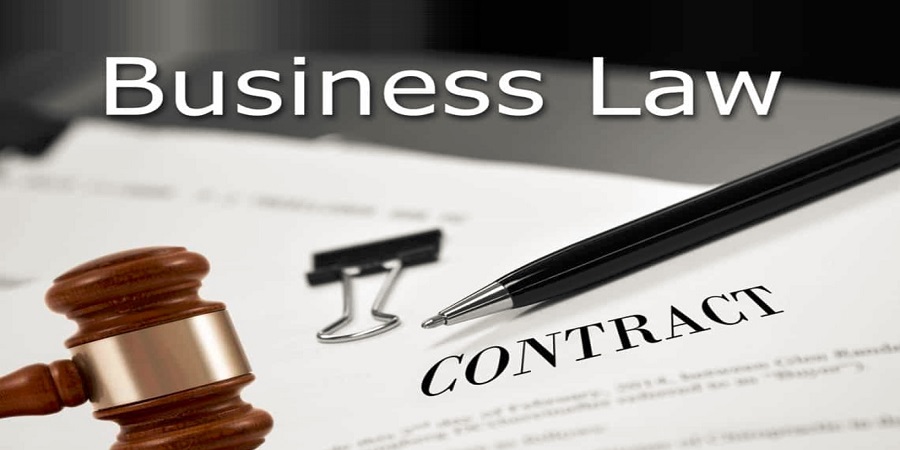
A business contract refers to a legally-binding agreement between two or more parties outlining certain obligations, rights and terms. An offer, acceptance, consideration and an intention to enter into a legal relationship are usually the elements of a valid contract in the U.S. Contracts can be written, oral or implied and written contracts are superior because they are clear and enforceable.
Why Contracts Are Essential for U.S. Businesses
Contracts are essential since they allow legal security and minimize business unpredictability. they have a clear agreement on payment terms, performance standards, deadlines, and remedies in case one of the parties does not fulfill its obligations. To U.S. businesses, contracts can also assist in risk management, aid in compliance and foster trust with partners, clients, and suppliers. In case of any disputes, a properly written contract becomes an invaluable piece of information during negotiations or in a courtroom.
Role of Federal vs State Laws
The USA has business contracts that are majorly regulated by state law and not the federal law. All states possess their own statutes and case law of contracts, but most follow similar principles. The federal law only takes effect in certain localities; that is, with government contracts, interstate commerce laws, or contracts involving the federal agencies. When either writing or enforcing a contract, it is necessary to understand the applicable state law.
Practical Example
A written contract between a supplier and a retail company specifying payment conditions, delivery timeframes and duties can make both parties understand each other and conduct successful businesses.
What Makes a Contract Legally Binding in the USA
A contract needs to meet certain legal standards accepted by the United States contract law, in order to be considered legally binding. These factors make the agreement just, willful and binding in court.
Offer
An offer is a definite proposal of one party to the other, with terms in which they are ready to get a contract into. The offer should be certain and it needs to be expressed in a way that it is comprehended by the other party.
Acceptance
The Acceptance is achieved when the other side unambiguously accepts the terms of the offer without material modifications. Acceptance in the USA may be in written form or by oral communication or actions that indicate assent to the conditions of the offer.
Consideration
Consideration is something of value that is shared between the parties. This may take the form of money, services, and goods or an offer to do or avoid doing something. The majority of contracts are not enforceable in the U.S. law without consideration.
Legal Purpose
To be valid, a contract has to have a legal motive. Contracts with illegal acts or activities that contravene the rule of law cannot be enforced despite the existence of all other conditions.
Mutual Consent
Mutual consent implies that parties are free to accept the conditions of the contract without any form of fraud, misrepresentation, coercion, or unjust pressure. Genuine consent makes sure that the agreement has the actual intentions of all the parties.
Practical Tip
In the USA, verbal contracts may be legally enforceable however written contracts are simpler to establish in court and provide greater protection in case a dispute occurs.
Common Types of Business Contracts in the USA
In the United States, business contracts are a way of formalizing the relationships as well as specifying the legal expectations between parties. Various kinds of contracts are applied to serve various business purposes depending on the nature of the agreement.
Employment Contracts
Employment contracts are used to create a legal association between an employer and an employee. They spell out job roles, pay or wages, benefits, confidentiality agreement, and termination. Such contracts assist in adhering to the federal and state labor regulations and safeguarding both sides.
Service Agreements
Agreements on services are usually employed where one business or individual offers services to another. They describe the work to be undertaken, schedules, cost, and performance. This form of contract is very common among consultants, freelancers and professional service providers.
Sales Contracts
The sales contracts deal with the purchasing and selling of goods. They include pricing, quantities, delivery terms, payment methods and warranties. In most states, the Uniform Commercial Code is the guideline to sales contracts and normalizes commercial transactions.
Partnership Agreements
Partnership agreements outline the way two or more parties will run a business. They cover percentages of ownership, sharing profit and losses, management and dispute resolution procedures, which assist in avoiding future disputes.
Non-Disclosure Agreements (NDAs).
NDAs prevent the leakage of confidential information to the wrong individuals. Companies employ them to protect trade secrets, customer information and operational secrets.
Licensing Agreements
Under licensing agreements, authorizations are given to utilize intellectual property like trademarks, software or patents with specified terms, such as limits of its usage and royalty payments.
Practical Example
A typical example of a freelance service agreement is one that spells out the scope of work, deadlines, and conditions of payment in a manner that makes both the parties transparent and legally secure.
Key Clauses Found in U.S. Business Contracts
The U.S. business contracts are based on particular clauses that are used to clarify the responsibilities, risk mitigation, and avoid any legal conflicts. The inclusion of the right clauses assists in making sure that the agreements are binding and workable in the real world.
Payment Terms
The payment terms are articulated in terms of how and when payments are to be made. This provision normally encompasses the sum of payment, mode of payment, dates, interests, and non-payment penalties. Easy payment conditions allow to retain good cash flow and prevent misconceptions.
Termination Clause
A termination clause lays out the circumstances under which one of the parties may terminate the contract. It can cover the notice periods, dismissal on cause, or dismissal on convenience. This provision safeguards both the parties in the event that the business relationship ceases to be effective.
Confidentiality Clause
The confidentiality provision limits the transfer of sensitive or proprietary information. It particularly plays a significant role in safeguarding trade secrets, client information as well as internal business strategy throughout and beyond the contract.
Dispute Resolution
This provision elaborates on the manner in which conflicts shall be managed in case there are disagreements. They can be in the form of negotiation, mediation, arbitration or court litigation. Prior definition of the process saves time and legal costs.
Governing Law
The governing law provision contains the laws that will be used in the contract. As laws about contracts differ by state, this clause brings sanity and predictability in case there is a dispute.
Practical Tip
A dispute resolution clause must be present in any business contracts in the United States because this clause can potentially prevent expensive and time-intensive litigation and promote more expedient conflict resolution.
How Business Contract Laws Work in the USA
The United States has a legal structure of business contracts that is influenced by a blend of state legislation, uniform guidelines, and scanty federal control. The knowledge of this structure assists businesses to develop viable and compliant agreements.
State Contract Laws
The state law controls most business agreements in the USA. Every state has its statutes and court decisions according to which the contracts are made, interpreted and executed. Although the essential principles are universal, variations in state laws may influence the validity of the contract, remedies and enforcement and it is of importance to establish the right state jurisdiction.
Uniform Commercial Code (UCC)
The Uniform Commercial Code (l=”noopener”>UCC) refers to a set of uniform laws that have been adopted by majority states in the United States of America to govern commercial transactions. It is mostly used when it comes to a contract where goods are being sold and not services or real estate. By facilitating uniformity in the interstate business in areas of pricing, distribution, warranties, and remedies, the UCC makes interstate business transactions less complex in terms of legal ambiguity.
Federal Regulations
Only under certain circumstances of contracts, federal regulations are applicable. They consist of contracts where the federal government agencies are involved, interstate commerce matters, intellectual property, or regulated industries like banking and transportation. In the majority of daily business contracts the federal law has very little participation in contrast to the state law.
Explanation
The Uniform Commercial Code regulates commercial transactions that concern sale of goods in most of the states in the U.S. with consistency and predictability in contracts.
“Learn more about Business Law Compliance in the USA”
Written vs Verbal Contracts in the USA
Written and verbal contracts are both binding by law in the United States, and they vary considerably in proving, reliability, and legal considerations. The knowledge of these differences assists businesses make appropriate decisions when selecting an agreement form.
Legal Differences
Verbal contracts are normally viable provided that they possess all the legal aspects of a contract such as offer, acceptance, consideration and mutual consent. Written contracts however, yield tangible evidence of the agreed-upon terms. In the USA, written agreements are less prone to ambiguity and the use of memory or testimony, which is why the courts are more likely to be favorable to them.
Pros and Cons
Written agreements are clear, well-defined, and have higher legal security. They are simpler to implement and minimize the potential of misunderstandings. Verbal contracts are easier and more adjustable, but they are also more risky since it may not be easy to establish their existence and precise terms in case of a dispute. Verbal agreements are also complex and cannot be handled verbally but when written, businesses can include clauses that are difficult to handle orally.
When Written Contracts Are Required by Law
The U.S. law requires that certain contracts be in writing so as to be enforceable. The Statute of Frauds, which changes slightly by state but follows the same principles in the entire country, regulates this requirement. Contracts that deal with real estate dealings, agreements, which cannot be fulfilled within a year, and contracts that deal with the sale of goods worth a particular value typically have to be written and signed.
Practical Example
Statute of Frauds requires real estate contracts and long-term business contracts to be written. Unless there is a written contract, the agreements are also not enforceable even when both parties verbally agreed on the terms.
How to Create a Business Contract in the USA
When establishing a business agreement in the United States, the creation of a contract involves a lot of planning to make the agreement understandable, binding, and legally binding. A well-written contract secures all the parties and minimizes the chances of conflicts.
Drafting Steps
This begins by determining the parties involved and the clear definition of the purpose of the contract. The main provisions that include the scope of work, payment terms, schedules, duties and right of termination must be in clear and concise language. The addition of governing law and dispute resolution will facilitate the prevention of confusion in case of future problems.
Application of Templates vs Attorneys.
Simple, low-risk contracts, including simple service contracts, can be well served by contract templates. They are time-saving and cost-reducing. Nonetheless, templates might not serve state specific laws or business peculiar risks. To offer personalized draft, legal expertise and increased protection, a business attorney is necessary, particularly in complicated dealings.
Contract Review Process
Prior to signing, both parties need to go through the contract well to ensure that the conditions reflect the understanding. This review can include internal stakeholders, legal counsel or both. All the changes made should be recorded and the end result signed and dated by all involved to give consent.
Practical Tip
Always seek the services of a qualified business attorney when dealing with a high-value or long-term contract. A professional legal review will help avoid wearing expensive errors and can make sure that your contract does not violate the U.S. contract laws.
Common Mistakes Businesses Make in Contracts
Business contracts are supposed to minimize risk but even minimal mistakes are likely to render them unproductive or even unenforceable. Being aware of the pitfalls in contracts enables business enterprises to defend their interests and prevent litigation.
Vague Language
A common error in business contracts is the use of general or vague terms. The unspecified words may give ambiguity giving way to various interpretations, at the expense of causing disagreements. The responsibilities, deadlines, and expectations should be distinctly outlined in the contracts to have a shared understanding of both parties.
Missing Signatures
A contract that has not been signed properly could be unenforceable. Signatures have the effect of ascertaining that the terms are accepted by all parties and that the parties are serious about the agreement. The inability to acquire the signature of authorized representatives may compromise the legal nature of the contract.
No Termination Terms
Termination clauses are not considered by many businesses. The termination of a contract may be hard and expensive without clear termination terms. A properly written termination clause clarifies the manner in which a contract may be terminated and at what point in time, it allows protection on both sides in case the situation alters.
Disregard of State-Specific Laws.
The contract laws depend on the state in USA. The failure to take state-specific needs into consideration may result in invalid or invalidable agreements. Companies must always remember to look at the state law that governs the contracts in order to be able to comply and enforce.
What Happens If a Business Contract Is Breached
When any of the business contracts is broken in the United States, then one party of the agreement has failed in their commitment. The awareness of the various types of breaches and available legal alternatives assists companies to act swiftly and safeguard their personages.
Types of Breaches
There are typically material and minor breaches. A material breach occurs when one of the major terms of the contract is infringed on, compromising the primary aim of the contract. A minor breach (also known as a partial breach) is a violation of less important conditions and could permit the contract to proceed as the matter is resolved. The U.S. law also appreciates the existence of anticipatory breach where one party warns that it will not breach.
Legal Remedies
The U.S. contract law is meant to provide solutions to breaches. Specific performance, in which the court directs the breaching party to fulfill its duties, and rescission, which rescinds the contract and returns both parties to their initial positions are the most frequent. Injunctions may also be given by the courts to prevent continued breaches.
Damages and Enforcement
The first recourse to contract breaches is normally monetary damages. They reimburse the non-breaching party with the losses directly resulting out of the breach including lost profits, additional costs or extra expenses. The punitive damages can be granted by the courts in cases which are rare. The enforcement can be done through litigation or alternative dispute resolution, like arbitration or mediation.
Practical Example
When a supplier does not deliver goods on time, the buyer might incur losses in form of production or lost sales. In such a case, the innocent party may claim reparation of such damages or, where necessary, request the court to compel the defaulter to make on time delivery.
When to Hire a Business Contract Advisor or Lawyer
Hiring a right business contract advisor or lawyer in America would save you money and help save on expensive errors and safeguard your interests. Although legal advice is unnecessary in all contracts, there are circumstances that necessitate the services of a professional.
Complex Agreements
A lawyer should go through a contract with numerous parties, a lot of money, or a complex set of terms. Complicated contracts usually have intensive terms, licensing rights, intellectual-property rights or performance terms which need close legal examination to remove ambiguity or any loopholes.
Multi‑State Contracts
In cases where the subject of a contract is between parties based in various states within the U.S., state-based laws may influence the enforceability, the law governing the contract, and dispute resolution. A business contract lawyer will also ensure that the agreement under consideration will adhere to all applicable state regulation and minimize the chances of the jurisdictional issues.
Dispute Situations
In case of disagreements or possible violations, it is essential to hire a lawyer. The legal advice can recommend solutions, negotiate settlements or represent your business in court or arbitration. The attorney should be engaged at an early stage, so disputes can be resolved before turning into the expensive judicial proceedings.
Practical Tip
Even where the contract is relatively routine, it can save time and money to have a lawyer review of the contract as it ensures clarity, enforceability, and future liability coverage.
(FAQs) Section
Are business contracts legally enforceable in the USA?
Yes, in case they satisfy legal conditions, which are the offer, acceptance, and consideration.
Do business contracts need to be written?
Written contracts have greater legal protection, not always.
Which law governs business contracts in the USA?
Sales of goods are governed by the UCC, mostly state laws.
Can a verbal contract be enforced in court?
Yes, but then it is more difficult to evidence without written evidence.
What happens if one party breaks a contract?
The non-infringing party can request damages or legal redress.
How long are business contracts valid?
Relies on the terms mentioned in the contract.
Should small businesses hire a contract lawyer?
Yes, particularly where the value of an agreement is high or it is long-run.