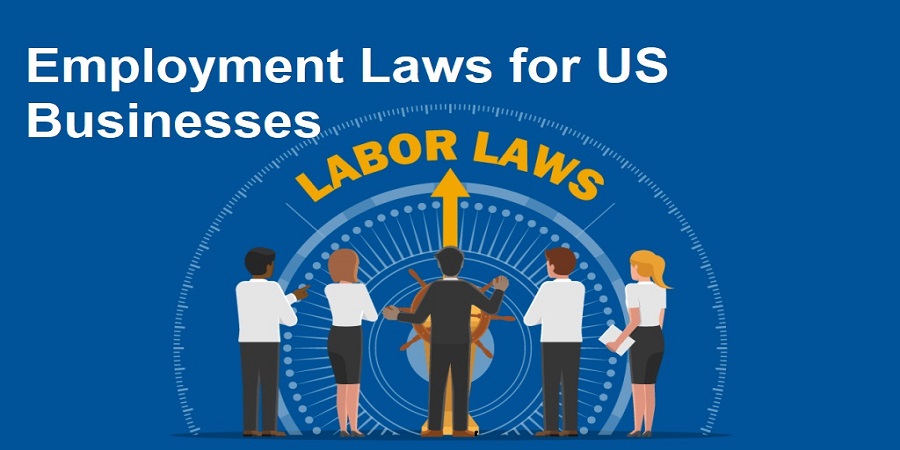
It is essential that businesses in the USA adhere to the employment laws. The federal, state and local laws deal with wages, workplace safety, anti-discrimination laws and benefits to the employees. Any failure to comply with these laws may attract serious repercussions, such as fines, expensive litigations, and reputation losses to a firm.
The knowledge of employment law is not only a legal requirement to the business owners but also a strategic requirement. Compliance allows great care of employees, contributes to an excellent working atmosphere, and avoids risks that may stop operations and jeopardize the future development. This handbook offers an insight in the major laws of employment and practical measures in ensuring compliance in the working environment.
Federal Employment Laws Every Business Must Know
Fair Labor Standards Act (FLSA)
FLSA sets minimum wage, overtime compensation, and record keeping standards on the majority of workers. It also makes sure that the workers are paid well the number of hours they work and prevents exploitation of labor.
The Occupational Safety and Health Act (OSHA).
OSHA establishes the standards of safety and health in the workplace where employers are expected to ensure the workplace is safe. Compliance will minimize the possibility of accidents, injuries, and associated lawsuits.
Family and Medical Leave Act (FMLA).
The FMLA gives eligible workers an unpaid, job-protected leave because of personal or family medical reasons. Companies are required to provide qualifying leave but have to offer retained benefits and positions while the employee is on leave.
Americans with Disabilities Act (ADA).
ADA is a law that does not permit discrimination of any person with disabilities and reasonable accommodations in employment, job tasks, and access to the workplace. Compensation encourages inclusiveness and avoids discrimination lawsuits.
Equal Employment Opportunity (EEO) Requirements.
EEO regulations guarantee equal employment treatment, compensation, promotions, and termination according to the race, color, religion, sex, national origin, age, or genetic information. It is the responsibility of employers to make sure that they have no discrimination policies and ensure that they offer a safe and fair working environment.
These federal laws are crucial and they should be understood and followed to ensure protection of the employees against legal penalties and creation of a moral and ethical workplace.
State-Specific Employment Laws
Variation Across States
In the USA, employment regulations vary by state, and the rules include minimum wages, paid leave, overtime, and workplace rights. Even though federal laws establish minimum standards, states may introduce higher standards in order to safeguard employees and accommodate the economic situation in the state.
Examples of Unique State Regulations
States also possess unique rules that extend to federal requirements. As an example, California has paid family leaves, tougher meal and rest breaks as well as higher minimum wages than the federal scale. New York has broadened the paid sick leave and domestic worker protection. Massachusetts provides a right to earned sick time and anti-discrimination laws, which are further aimed to other categorized institutions.
Owners of businesses should be up to date with federal and state specific employment laws in the areas that they are operating. The awareness of these differences will guarantee compliance and minimize legal risk and fair treatment of employees in all jurisdictions.
Employee Rights and Employer Responsibilities
Workplace Safety
Under OSHA regulations, the employers have the role of ensuring there is a safe working environment. This involves the provision of requisite training, safety apparatus and risk free working environments. The workers are entitled to file unsafe practices reports without the fear of victimization.
Anti-Discrimination
The federal and state anti-discrimination laws such as the ADA and EEO requirements offer protection to employees. Employers should treat people fairly in hiring, promotion, compensation, and dismissal, accommodate the disabled reasonably, and avoid harassment or prejudice.
Wage and Hour Laws
The FLSA and various state laws require employers to adhere to the wage and hour laws. This involves minimum wage, overtime payments to the employees who work overtime, and maintaining proper records of time worked. All employees are entitled to be well paid and on time.
Employee Benefits Obligations.
Some benefits may be mandatory to the employers like those offered by the Affordable Care Act (like health insurance), leaves, or retirement funds based on the size and location of the business. Employees are entitled to such benefits and understand clearly the eligibility and use.
Employee rights and employer responsibilities provide a balanced workplace that is compliant and safe and equitable, as well as reduces the likelihood of legal liability.
Hiring and Onboarding Compliance
Legal Requirements for Hiring
When hiring employees, businesses are required to comply with federal and state regulations to avoid any form of discrimination and provide fair treatment. This involves following the rules of EEO and ensuring that all the employment decisions are documented to show compliance.
Background Checks
Background checks can be carried out by employers, however, they should be conducted in a manner that adheres to the Fair Credit Reporting Act (FCRA) and applicable state laws. To ensure that there is no legal liability, proper consent, disclosure and accuracy of reporting are required.
Employment Eligibility Verification (I-9)
The U.S. has issued a requirement to all employers to ensure that all new employees are a legitimate citizen of the country by verifying with the use of Form I-9. Employers are required to both fill and keep I-9 forms with the employees and recheck them when there is a necessity so that there is compliance with federal immigration laws.
Employment Contracts
Employment contracts provide employment terms such as work responsibilities, remuneration, and termination. Well written contracts safeguard both the employee and the employer and this way, both parties are clear on what is expected and also, disputes that may arise are reduced.
These compliance steps during hiring and onboarding can assist businesses in avoiding legal penalties, in making the recruitment process fair and legal, and in creating a solid basis of employee relationships.
Workplace Policies and Handbooks
Importance of Employee Handbooks
A handbook is a means to communicate the workplace policies, expectations, and procedures. They also offer clear information regarding the safety in the workplace, prevention of harassment, leave, and disciplinary measures.
Harassment and Safety Policies
Handbooks are to provide zero-tolerance of harassment and discrimination, and reporting procedures. Clear safety instructions assist in preventing accidents at workplace and in adhering to OSHA standards that will ensure that the work environment is safe to all employees.
Leave and Disciplinary Policies
Paid leave, family and medical leave, and vacation policies allow employees to know their rights and duties. The process of discipline should stipulate measures to be used in performance problems or misconduct so as to assist employers in handling matters in a unified and legal manner.
An effective handbook lowers the level of misunderstanding, secures the business, and creates a strong, open culture within the workplace making sure that the employees are aware of their rights and responsibilities.
Payroll and Wage Compliance
Calculating Wages and Overtime
Employers need to determine correct wages given to employees by hours worked and agreed pay rates. The Fair Labor Standards Act (FLSA) requires that overtime should be paid at 1.5 the usual rate to workers who worked beyond 40 hours in a week. Stricter state laws on overtime rules are also mandatory.
Deductions and Tax Withholdings
The responsibility of employers is to deduct federal, state and local tax policies on employee paychecks such as income tax, Social Security and Medicare contributions. Wages may only be subtracted by making deductions that are legally allowed like health insurance premiums or retirement contributions. It is required to be well documented and reported to tax authorities to stay in line.
Tips for Avoiding Payroll Violations
To avoid Payroll infractions maintain proper time records, wage and hour laws, and payroll calculations should be checked on other day basis. Payroll software or payroll expert can assist you in staying within the law and also avoid paying fines, also safeguard employee rights and maintain the legal and financial status of your company.
“Learn more about Business Law Compliance in the USA”
Handling Employee Termination Legally
Layoffs and Terminations
Performing the layoffs or terminations, the employers should adhere to the federal and state rules, such as the necessary notices provided in the Worker Adjustment and Retraining Notification (WARN) Act in large-scale layoffs. Recording performance problems or business justifications makes the procedure of termination justifiable and fair.
Wrongful Termination Prevention.
Employers are required to abide by the employment agreements, anti-discrimination legislation, and organizational policies to cushion against wrongful-termination claims.
Severance and Benefits
Severance packages are not compulsory but may allow employees leaving the company financial assistance and help to minimize any possibility of conflict. The severance terms should be described by the employers and adhered to any contractual or state obligations.
Unemployment Claims
Bosses should act promptly and correctly in relation to unemployment claim and show that the employee was eligible and has been terminated due to the reasons. Effective management will guarantee the applicability to state unemployment insurance schemes and minimize legal liability.
Tips for Staying Compliant
Regular Training
The managers and employees should be trained periodically on employment law, safety, and the company policies surrounding the workplace. This makes everyone informed about their rights and responsibilities, minimizes the possibility of violations and creates a responsible working culture.
HR and Legal Professionals Consultation.
Consistent visits to HR professionals or employment attorneys assist business entities to negotiate through perplexing laws, write viable policies, and deal with legal issues that are expected in advance, before they occur. Regulatory compliance and minimization of risk Professional advice.
Auditing Internal Policies
Periodic internal policy, procedure, and record audits assist in realizing internal policy gaps or obsolete practices. The retreated employee handbooks, payroll processes, and hiring procedures will help to verify compliance and other consistency throughout the organization.
Keeping Up with Law Updates
Employment laws change regularly by the federal, state and local authorities. Businesses can also keep up with the law by receiving updates in the law, and participating in seminars or professional associations. These measures assist businesses in taking the required changes in time.
Hints, Sample, and Instructions.
Example
A small business owners in California has certain state labor regulations to adhere to, including increased minimum wage and demanding overtime regulations than the federal ones. The awareness and implementation of these rules prevent fines, penalties, and disputes before the court.
Tip
Have written documentation on the key matters in the workplace such as harassment, leave, and overtime. As an example, employee handbook detailing the rights to FMLA leave will help staff members to be aware of their rights to this type of leaves and minimize the potential of misinterpretation or conflicts.
Explanation
The law of employment is formulated to safeguard the workers and companies. Adherence to federal and state regulations reduces the risks of legal litigation, prevents expensive litigation, and establishes a safe, equitable, and productive working atmosphere. To enforce compliance in the workplace, it is important to have clear policies, constant training and abreast with the changes in the law.
Conclusion
To conduct business in the US, a business is required to comply with the employment laws in the US. Compliance with such laws avoids fines, legal proceedings and poor publicity, and equitable treatment of workers. Companies can develop trust, boost staff morale and defend the business and employees by providing a safe work environment, adhering to wage and hour laws, clear policies and by keeping abreast of new changes in the law. Compliance as a priority is not only a lawful step but also a strategic step to a protracted success.
FAQs
q. What are the primary employment regulations that American businesses are supposed to pursue?
a. Significant laws are the Fair Labor Standards Act (FLSA), the Occupational Safety and Health Act (OSHA), the Americans with Disabilities Act (ADA), the Family and Medical Leave Act (FMLA), and the Equal Employment Opportunity(EEO) requirements.
q. What are the differences between state laws and federal laws regarding employment?
a. States are able to introduce tougher regulations on wages, leaves, and protection of employees.
q. Should small businesses be subjected to all the employment laws?
b. Yes. Compliance is obligatory irrespective of the size of the company.
q. How are legalities of hiring employees in the USA?
a. The employers should check the eligibility using Form I-9, do not illegal background checks, and offer employment contracts to employees at the time of hiring.
q. What can businesses do to ensure compliance in terms of workplace safety?
a. Adhere to the OSHA standards, educate the train personnel, and implement safety criteria.
q. What are the consequences of failure to abide by employment laws?
a. The possible risks are lawsuits, fines, penalties, reputational damage, and employee distrust.
q. Are employment laws mutable?
a. Yes. Employers need to keep an eye on federal and state rules in order to remain within the scope.