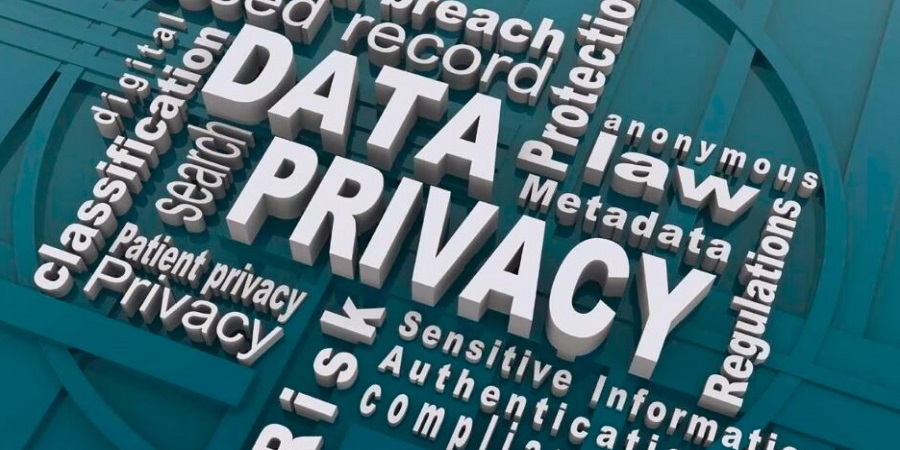
The data privacy laws are vital to the businesses in the United States since it regulates the manner in which the business owners gather their personal data, store them, and utilize the data. Compliance safeguards the consumer and holds the business out of the way of legal as well as financial risk. Lack of compliance may result in fines, costly lawsuits and negative publicity. Mishandling of confidential information destroys trust, it decreases sales, damages relationships and brand value.
U.S. laws of data privacy operate on federal and state levels. There are federal regulations such as the HIPAA and COPPA that are nationwide. We have state laws like the CCPA and the VCDPA, which are wider in their coverage and jurisdiction. To avoid the risk of execution, businesses that operate with personal data have to adhere to the federal and state data privacy regulations introduced by the U.S. government.
Privacy is paramount whether the firm is small or large. Clarity in privacy policies must be undertaken by startups to prevent contravention. Companies that are large have complicated compliance issues due to the volume of data. These laws are essential to understand in order to operate within the law, win the trust of the consumer and achieve success in the long run. Companies in the United States should be aware of their compliance requirements along with the general U.S. business legislation and regulations. This information can guide them to escape fines and lawsuits.
Major Data Privacy Laws in the USA
It is essential to learn about privacy laws in the United States to anyone who works with personal information. Also in line with federal and state regulations, one can prevent fines, lawsuits, and negative publicity. These mandates often coincide with the U.S. cybersecurity and data protection regulations, especially to process sensitive customer information. In the United States, federal laws on data protection are enforced through the FTC at federal level.
The California Consumer Privacy Act (CCPA).
The CCPA also provides California residents with the right to their personal information, to demand the deletion of their information, and to enact their data sale refusal. The law is applicable to firms which possess data concerning consumers and which fulfill specific income or data-processing criteria. It enhances openness and consumer control in information.
California Privacy Rights Act (CPRA).
The CPRA is based on the CCPA with more stringent rules on the data handling, new consumer rights, and improved enforcement authority. California based companies are required to revise their privacy statements and establish compliance programs that comply with the new CPRA requirements.
Health Insurance Portability and Accountability Act (HIPAA).
HIPAA safeguards medical records through a series of standards that make patient records secure. Covered entities, including providers and insurers, should implement the controls that prevent the access and disclosure of the protected health information (PHI) without an appropriate authorization.
Gramm‑Leach‑Bliley Act (GLBA)
GLBA also applies to financial institutions, and it mandates the protection of financial data of customers. Companies have to implement administrative, technical and physical barriers to stop unauthorized access.
State-Specific Privacy Laws
The state of Virginia, Colorado and New York have passed their privacy laws. These introduce additional demands over and above federal regulations, and compliance at the state level is important in multi-jurisdictional operations. The California Consumer Privacy Act is one of the most important state regulations, and it is outlined in the CCPA requirements.
Example
A SaaS firm that is located in more than one state has to comply with federal and state laws to secure the data of the consumers in alignment with all the existing regulations.
Consumer Data Protection Requirements
These requirements are important to businesses in the U.S. that deal with personal information. Legal risk is minimized and consumers are assured by compliance. GDPR and CCPA are often modeled by companies.
Transparency: Notices, Consent, and Opt-Outs
Businesses need to explain to the consumers clearly the type of data collected and its use. Transparency is required to be achieved through proper notices, explicit consent and opt-out mechanisms to enable the customer to have control of their data.
Purpose Limitation: Collect Only Necessary Personal Data
One of the fundamental requirements is that of purpose limitation- firms must not gather data that they do not require. Intrusion prevention means less risk and is consistent with regulatory guidelines.
Security Measures for Storage and Transmission
Information has to be safeguarded when at rest and in transit. Access controls, encrypting information and secure servers safeguard against breaches and unauthorized access and ensure that businesses remain in line with the U.S. laws and standards such as GDPR.
Example
It is the responsibility of online retailers to guarantee the safety of payment processing and safeguard customer financial information. The compliance with the requirements preserves information, reduces liability, and upholds trust by businesses.
Employee and Internal Data Privacy
Securing employee information is just as important as securing customer information. Strong collection, storage, and access policies help in achieving compliance and protection of the organization trust.
Handling Employee Records
Employers should keep personnel records, compensation records and health records in custody. Compliance with data-collection and storage regulations ensures the accuracy of information, its confidentiality and easy access to authorized personnel to minimize the legal risk.
Data Access Controls and Encryption
Data are stricter with internal data being encrypted. Authentication should be controlled by access control and encryption to stop unauthorized access and breaching.
Internal Policies for Monitoring and Sharing Data
The data that can be accessed and shared, as well as the frequency of audits are outlined in clear policies. These rules facilitate responsibility and ensure confidentiality.
Tip
Training of how to handle personal data. The risk of accidental misuse and breach is mitigated by awareness programs and frequent training.
Privacy Policy and Corporate Obligations
The compliance should be based on a detailed privacy policy. To gain consumer trust, online enterprises will need to comply with the requirements of CCPA, CPRA, HIPAA, and similar regulations.
How to Write a Privacy Policy That Covers CCPA, CPRA, and HIPAA
The policy must outline the way data is gathered, utilized, stored and shared. In the case of CCPA and CPRA, cover consumer rights, access, deletion requests and opt-outs. In the case of HIPAA, describe PHI protection and dissemination.
Mandatory Clauses: Data Collection, Sharing, and Rights
An adherent policy enumerates the kind of information gathered, use, and disclosure to third parties and consumer privileges. Transparency prevents regulatory fines.
Example
Internet sites can refer to opt-out forms, offer email or phone contact about privacy concerns, and clarify the rights of the users according to the relevant legislation. This will show that they are legally compliant and will assure customers that their information is managed in a responsible manner.
Data Breach Notification Requirements
Timely alerts cushion the affected people, preserve confidence and eliminate penalties.
Timelines for Notifying Authorities and Affected Individuals
The federal and state regulations demand reporting within defined time frames. Companies should report to regulators and victimized parties within the shortest time possible, confirming the data that was compromised and measures put to curb it.
State-Specific Rules for Breaches
An example of such is California, which requires notification within 30 days of having detected a breach. The timelines or other requirements may vary across states, and therefore multi-state operations should remain compliant.
Penalties for Delayed or Missing Notifications
The failure to comply with notification deadlines may lead to fines, enforcement measures and reputational loss. Late or absent notices can also work to the detriment of the businesses through lawsuits. When the violations are serious they may result in regulatory investigations comparable to those provided by the laws of corporate compliance and risk management.
Risk Management & Enforcement
The Risk management is effective to prevent sensitive information which will lead to breach of laws. Risk management minimizes chances of violations and expensive litigation cases.
Conducting Business Data Privacy Checklists
Complex checklists should help companies evaluate policies, procedures, and technical protections. Reading through the data collection, storage, sharing, and protection procedures can be used to determine the gaps.
Internal Audits and Third-Party Assessments
The internal audits evaluate compliance of policies. Third-party evaluations offer a separate review of compliance and security measures, which offers further guarantees.
Penalties for Violations: Fines, Lawsuits, Operational Restrictions
Failure to comply may result in a huge fine, a class-action lawsuit, or a ban on operations. As an example, CCPA may include financial fines in case of its failure to do so, making it clear that risks should be addressed in advance.
Example
A business that fails to protect the data of customers or disregards the rules of CCPA can be fined, spend many dollars of lawsuits, and lose its reputation. These risks are mitigated in terms of structured risk management and enforcement.
Small Business Compliance Tips
Privacy laws should also be adhered to by small businesses. Following best practices helps in avoiding violations that are expensive and it helps foster trust. The USA is one of the countries where numerous organizations establish internal control that is based on the corporate governance best practices to reduce the risk of data privacy.
Use Checklists for Business Data Privacy
Checklists enable small companies to monitor compliance activities, such as data gathering through staff training and responding to breaches. They offer an organized manner to satisfy the federal and state requirements effectively.
Train Employees Regularly
Frequent training gives staff the knowledge of duties, how to identify risks and adhere to privacy policy in the right way.
Limit Data Collection to Essential Information Only
Gather only the information that is required during operations. Compliance is also easier and the breach is reduced by the decreasing data volume.
Maintain Compliance Records and Update Privacy Policies Annually
Custodially keep records of audits, training and news of privacy. Rebuild and update policies annually to ensure that small businesses are in compliance with new policies.
Conclusion
Without data privacy laws, there is no chance that consumer trust and compliance with the law can happen. Federal and state laws prevent penalties, lawsuits, and damaged reputation among consumers and companies.
The companies must embrace the use of transparent data practices, data must be stored within the premises of the organization, and policies concerning handling of the personal data have to be clearly recited. Compliance is also not a one time event.
Constant monitoring, employee training, and risk management make the data privacy standards high. Being vigilant and updating the policies according to regulatory changes will ensure that information is safe and guarantee consumer confidence.
FAQs
What are the primary data privacy regulations of businesses in USA?
Among the most important laws, there are Consumer Privacy Act (CPRA), California Consumer Privacy Act (CCPA), Health Insurance Portability and Accountability Act (HIPAA) and the Gramm-Leach-Bliley Act (GLBA) and other state-specific laws.
Do small businesses have to follow the data privacy laws?
Yes- where they gather, archive or handle personal data, they have to observe the relevant statutes relating to privacy.
What does a corporate privacy policy demand?
The policy should include data collection, data storage and data sharing, the rights of consumers, communication channels and contact methods.
What can businesses do to safeguard the data of employees?
Enforce your systems with high security, access to authorized staff members should be restricted and train the staff in the best practices in handling data.
What are the US data privacy laws violations?
The punishments may be in the form of financial fines, civil suits and restrictions imposed on the operations of the offender by regulatory authorities.
The question is what is a data breach notification and when is it mandatory?
A notification notifies regulators and affected persons about unauthorized data access, which is normally mandated between 30-60 days of discovery, as mandated by the law.
What can businesses do to deal with privacy risk?
Conduct regular audits, extensive risk checklists, conduct training to employees and maintain comprehensive records on compliance.