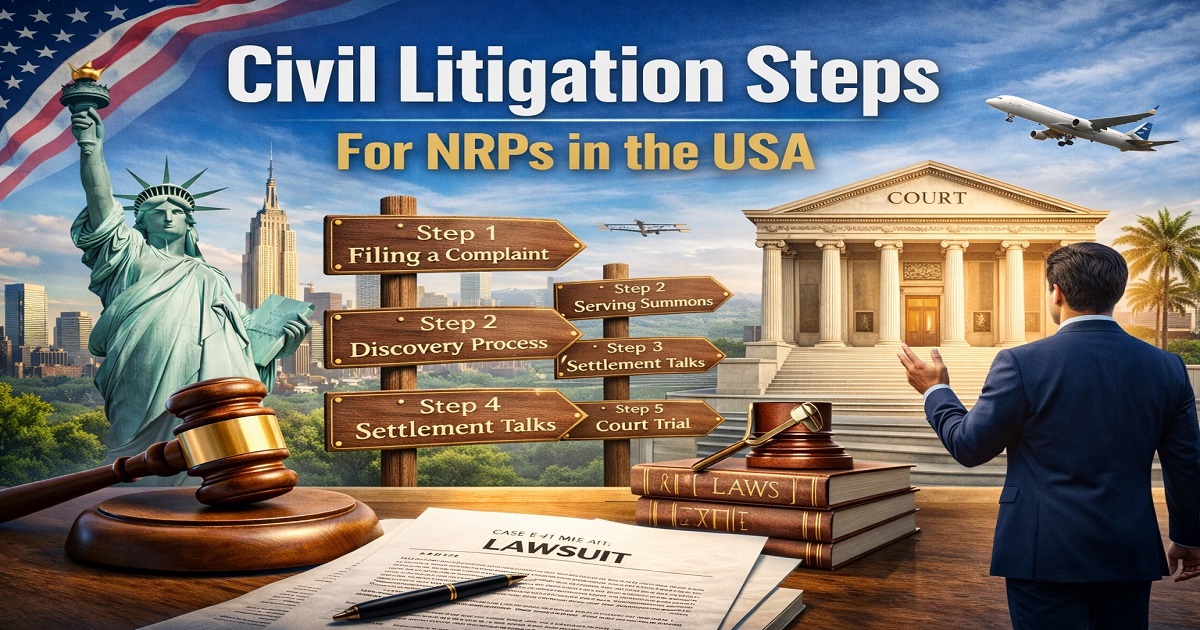
In the given article Qanoon Ki Dunya provides the full state guideline of the Cost of Civil Litigation in the USA. The American civil litigation is a legal process in which the court resolves disputes between individual persons, businesses, or organizations. It does not compare to criminal cases. Civil litigation is supposed to recompense the injured or assert rights, but not to punish.
Definition of Civil Litigation
Civil litigation falls under contract breaches, property disputes, personal injuries and business disputes. The most common ones are: filing a suit, the discovery, the pre-trial motions, settlement talks and perhaps a trial. Costs are associated with each stage and parties are advised to plan in advance.
Why Understanding Costs is Crucial
The information about the possible expenses of civil litigation will assist people and companies to determine whether to offend or defend a claim. Court filing fees, expert witness fees, legal fees, costs of administration may accumulate very fast. Realizing these costs can avoid the financial pressure, motivate settlement in the case of the right settlement, and permit realistic budgeting.
Brief Overview of Cost Ranges in the USA
The price of civil litigation depends greatly on the complexity of a case, the geographical location, and the price of attorneys. Mundane issues such as small claims or uncontested cases could cost a few hundreds to thousands of dollars. Average civil suits are between 10,000 and 50,000 dollars. Commercial or multi party cases may be complex and may worth over 100,000. Law firms typically charge on an hourly basis, with the average hourly rates being 200 to 500 dollars per hour, but leading lawyers are likely to be even higher. Another thousands of dollars can be added to the costs due to court filing fees, mediation, discovery, and expert witness fees.
The knowledge of such ranges provides parties with realistic expectations as well as helps to make better decisions during the litigation process. Knowledge about expenses is what may make the difference between an argument that is resolved and a costly affair.
Factors That Affect Civil Litigation Costs
The cost of civil litigation varies depending on a number of factors. It is significantly dependent on the nature and nature of the matter. Personal injury, contract cases, and property cases involve varying degrees of research, record keeping and negotiation. The more complicated cases will normally require more resources and legal charges.
Billing models and attorney experience also impact on costs. Senior lawyers tend to be higher billed on an hourly basis. Others can be contingent or flat-fee. The proper selection of the billing structure can be used to control the costs.
The extra cost is court filing fees and administrative costs. There are fees infiltrated in filing a lawsuit, making motions, and working through court paperwork all of which add up particularly to a large or multi-jurisdictional case.
There are also additional costs in expert witnesses, document preparation and other specialized services. Examples may be doctors in personal injury cases or real estate valuers in property disputes who may charge large fees.
Costs are also affected by the duration of litigation. Cases that are short and straight forward are easy to resolve and require minimal fees. Cases that last long, are heavily discovered, involve numerous motions or appeals may be extremely costly.
As an example, a house case can cost a person between 50,000 and 500,000 according to the complexity of the case. A basic small claims can cost between $500 and $3,000. Through these factors, people and companies can make realistic budgets, make better decisions and take alternative dispute resolution options where necessary.
Breakdown of Civil Litigation Costs in the USA
Attorney Fees
The biggest portion of the cost of civil litigation is generally the attorney fees. Prices normally fall between 150 and 500 or even more a per hour depending on the experience, reputation and area of filing a case by the lawyer. These fees may be substantially high in cases that are complex or need expert knowledge.
Court Filing Fees
Lawsuits cost in the range of fifty to four hundred dollars to file. The charges depend on state and the nature of the case. Extra fees can be paid when filing motions, appeals, or any other court documents.
Expert Witness Fees
In complex cases, expert witnesses may be required e.g. medical experts, property assessors or forensic experts. Fees they charge may vary between 200 and above 500 per hour, depending on their area and expertise.
Mediation and Alternative Dispute Resolution (ADR)
ADR like mediation is optional and can be cost-effective. The average costs are within the range of $500 to $3,000 and may assist in resolving the dispute without the costs of a complete trial.
Document Preparation and Discovery
It can increase the cost by an additional $100 to 5000 to prepare documents, legal research, discovery administration. There are fees to copy, subpoenas, search through the evidence, and other administrative efforts that are necessary to construct the case.
Travel and Miscellaneous Expenses
Attorney/witness travel charges, and other miscellaneous expenses, typically vary between 100 and 1000 dollars. These expenses may be higher when parties have to cover a big distance or make numerous depositions.
The knowledge of this breakdown will enable parties to make informed decisions, enjoy foreseen costs, and strategize their litigation plan effectively.
Types of Attorney Fees
Hourly Rate
The most prevalent method of billing in civil litigation is the hourly rate. The clients pay on a per-hour basis, according to the time the attorney is working on their case. It is a transparent method that enables work done to be tracked successfully and yet the expenses may run up through in-depth or intricate cases.
Contingency Fee
In contingency fee arrangement, the lawyer charges a percentage of the settlement or award in case of successful implementation of the case. This kind of fee is widespread in personal injuries and in other cases where the client might not have money to pay in advance. Although it saves on short-term expenses, the attorneys fee may be enormous in case of a high settlement.
Flat Fee
Simple civil issues like small claims, document review or drafting simple contracts are usually assigned flat fees. The customer is charged a fixed fee irrespective of the duration spent. It is a predictable method and can be used in simple cases where there is minimal legal work involved.
Retainer Fee
A retainer is a non-refundable advance that is paid to engage the services of a lawyer. Work is done and the attorney bills against this retainer. Retainers provide the lawyer with availability and initial expenses and any remaining sum can be refunded or used to pay extra fees.
Knowledge of such fee systems can assist a client in choosing the appropriate attorney and billing model to use in a legal case, cost management, and even prevent unexpectedness in the court proceedings.
Cost-Saving Tips in Civil Litigation
Consider Mediation or Arbitration First
Mediation or arbitration should be considered before a full-fledged trial. These non-judgmental dispute resolution approaches are more often than not quicker, less formal and economical than lengthy litigation.
Prepare All Documents Thoroughly
Carefully prepare contracts, evidence and support. Cost savings are achieved through well structured documentation as it eliminates the necessity of conducting an extensive legal research and repetitive work saving time and attorney fees.
Choose Local Courts
Cases should be filed in the local courts as much as possible to reduce the travel costs incurred by the attorneys and witnesses. Local jurisdictions also tend to have less cost of filing and minimise logistical problems that come with remote courts.
Negotiate Attorney Fees or Consider Alternative Billing
Negotiate billing in advance with your attorney to keep expenses down. Alternatives such as fixed costs, limited needs of an hour or contingency plans offer more reliable costs and lessen financial tension.
Limit Discovery and Expert Witness Costs
Expert witness and discovery fees may increase rapidly. Avoid making limit deposition, only necessary documents, and only necessary experts to keep these costs down without compromising your case.
The use of these strategies makes the costs affordable. Avoidable costs can be avoided by planning and making informed choices at every stage of the process, which will result in better efficiency.
“Learn more about Legal Costs & Attorney Fees in the USA”
Real-Life Examples of Civil Litigation Costs
Contract Dispute in Small Claims
A basic contract dispute that is tried in a small claims court may cost between 800 and 2500. These are cases that are incurred with few court documents, lawyer engagement, and simple paperwork, hence they are reasonable to afford.
Property Boundary Litigation in State Court
These issues of boundary of property to be resolved in the state court tend to be more complex and expensive. Depending on the aspects such as surveyor charges, expert witnesses and the experience of the attorney, litigation can take as little as 12000 dollars and up to 40000 dollars. Prolonged discovery or disputed hearings may add on to expenses.
Employment Dispute with Mediation
Mediation cases are more likely to be in the 5,000-10,000 bracket in terms of employment lawsuits. The mediation saves attorney time, restricts the court expenses and enables settlement of the cases in a shorter time and thus, mediation is a cost efficient way to resolve conflicts in the workplace.
As illustrated in these examples, costs of civil litigation can vary a great deal. Depending on the complexity of the case, the lawyer(s), the court process and the use of alternative dispute resolution techniques, the cost varies. Considering such real-life situations will enable people and companies to predict costs and set up their legal approach.
When to Hire a Lawyer vs Represent Yourself
Pros and Cons of Hiring a Lawyer
.Employee legal services offer experience, knowledge, and competence in navigating through the complicated legal system. Discovery, draft legal documents, settlements and court representation can be done by lawyers. Their services are however costly and charges can escalate rapidly in long term cases.
Pros and Cons of Self-Representation
Representing yourself also known as pro se may save you money and provide you with direct control over your case. It commonly applies to easy cases like small claims or the minor contract disputes. It has a negative aspect in that there is a possibility of procedure errors, deadlines, or inadequate legal knowledge that would lead to unfavorable results.
Cost‑Benefit Analysis
Determining the choice of hiring a lawyer is a decision that entails cost and risk analysis. In simple, low stakes cases, self-representation can help save thousands of dollars in attorney expenses. When the lawsuit is complicated and requires substantial amount of money, a number of parties or complex legal matters, the expense of an attorney can be well-recompensed by higher chance of success.
Examples of Cases Suitable for Self-Representation
Minor property disputes, small claims cases, and basic contract disputes are generally not that complicated that they would require professional legal advice. The procedures are relatively simple, discovery is limited, and the risk of a huge financial loss is not very high, so self-representation can be considered.
Knowledge of when to employ a lawyer and when to represent oneself empowers people to make rational choices, weigh costs, and litter off wasteful expenditures on legal services without jeopardizing their rights.
Conclusion
Summary of Key Cost Factors
The cost of civil litigation in the USA is diverse. The overall cost depends on the complexity of the case, the experience of the lawyers, the cost of courts, the expert witness, and time taken in the legal proceedings. It is important to know where expenses will occur.
Tips for Budgeting Civil Litigation Expenses
Litigation costs can be managed through proper planning and preparation. Alternative forms of dispute resolution, such as mediation, document organization, restricted unnecessary discovery, and selection of proper billing arrangements with your attorney should be considered. Being aware of the average expenditure amounts of your sort of case is helpful in giving you realistic expectations and avoiding unpleasant financial surprises.
Encourage Early Legal Advice
Legal advice made at the beginning of the process can help avoid expenses related to costly errors, finding effective tactics, and defining possible costs. Obtaining early consultation can aid you in deciding whether it is possible to represent yourself or it is possible to employ a lawyer as a valuable investment. Proactive planning will keep you posted and will ensure that you are in control of costs of litigation and also safeguarding your rights in law.
FAQs
1. How much does civil litigation cost in the USA?
Costs vary widely. Simple cases may cost between $500 and 3000; complicated disputes may cost more than $50 000.
2. What factors affect civil litigation costs?
Legal costs & fees, complexity of the case, documentation costs, specialists, time, and administrative costs.
3. Can civil litigation be affordable?
Yes. With mediation, arbitration, or flat-fee lawyers, one can save a lot of money.
4. What is the average attorney fee for civil cases?
Usually costs between $150 and 500 per hour based on experience, location and type of case.
5. Are there hidden costs in civil litigation?
Yes. Filing of documents, discovery, use of expert witnesses, travelling and reporting to courts can be cumulative.
6. Can I represent myself to save money?
Yes. Simple cases or small claims will probably not need an attorney, however, complex cases will need one.
7. What’s the difference between mediation and litigation costs?
The cost of mediation is typically between 500-3000, and it can be completed in the shortest time, whereas full litigation may cost tens of thousands of dollars.