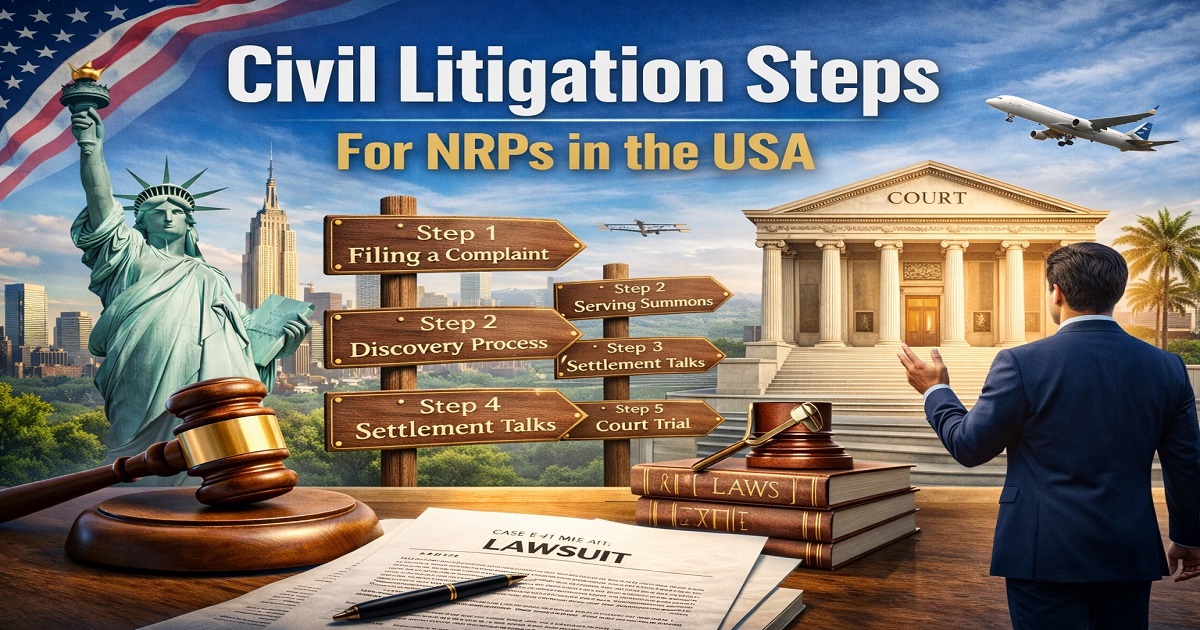
Law Ki Dunya provides an intelligent booklet that details Common Civil Lawsuits, as well as the legal expenses related to them. Civil suits refer to litigation between individuals, firms or even organizations, but in most instances involve money, property or certain claims. In contrast to criminal cases, civil suits are aimed at settling conflicts and compensating the injured person rather than penalizing a crime. One of the most important things is to understand civil lawsuits, whether you might become a party or intend to take legal action, since there are certain procedures, time constraints, and possible financial implications of it.
What Are Civil Lawsuits?
The initiation of a civil lawsuit occurs when the plaintiff complains against a defendant and demands compensation or realization of a legal right. They can be typical cases of contract disputes, property disputes, personal injury or business contract lawsuits. Civil lawsuits imply the ordered sequence of activities within the court, including submission of documents, discovery, and potentially trial. The number of cases resolved or resolved by alternative dispute resolution is many; the number of cases resolved to judgment in court is only a few.
Why Knowing Legal Costs Matters
Even in simple civil proceedings, legal expenses may be high. These costs may involve attorney fees, filing fees, and expert witnesses, and administrative fees. These costs are known to assist people in booking finances, making knowledgeable decisions in terms of pursuing or defending a claim, and also to pursue alternatives, such as mediation or arbitration, to cut expenses. Knowledge of legal costs avoids unpleasant surprises and enables parties to consider the benefits versus the cost of litigation.
Types of Common Civil Lawsuits
There are numerous disputes that are addressed by civil lawsuits. Being aware of the prevalent types will make people aware of legal problems and get ready.
Personal Injury Claims
Such cases entail personal injuries through the negligence or willful actions of another party. They may involve car accidents, slip-and-fall accidents, or even medical malpractice. Plaintiffs want compensation in medical expenses, their lost wages, and pain and suffering.
Contract Disputes
Contract disputes are caused when a party does not fulfill the conditions of a binding contract. Problems can be nonpayment, failure to honor service commitments or differences in the interpretation of the contract. To solve such disagreements, the intervention of a lawyer may be needed to enforce the agreement or damages.
Property Disputes
Property disputes refer to the differences regarding property ownership, property boundaries or property use. Examples are often landlord-tenant disputes, easement disputes, or neighbor to neighbor disputes. Civil prosecution is used to stop the infringement of property rights.
Small Claims Court Actions
Small claims courts deal with conflicts that have a relatively small amount of money, and they do not typically need an attorney. These cases aim at offering a quicker, less costly way of settling petty cases like non-payment of debts, minor damages to property or security deposit.
Employment Disputes
Civil lawsuits concerning employment are disputes between an employer and an employee regarding the wrongful termination of an employee, wage claims, harassment or discrimination claims. These disputes may be solved in courts or labor boards in accordance with their nature and severity.
Consumer Protection Cases
Consumer protection cases are the legal actions against companies, alleging unfair or deceptive actions by such companies. They may be faulty products, advertising misrepresentation or breach of consumer rights. The law assists in enforcing consumer protection and damages.
Typical Legal Costs Explained
There are various costs, which are usually associated with civil lawsuits. Knowledge of them enables parties to plan well and prevent any kind of surprises that would have created financial liabilities.
Attorney Fees (Hourly vs. Contingency)
A lawyer can fee on an hourly or contingency basis. Hourly rates are a reliable estimate but may become expensive over time. Contingency fees are lower in cost upfront but have a successful result to be paid.
Court Filing Fees
A civil lawsuit involves paying court fees, depending on the courts and the case. These include administrative expenses of document processing and hearing scheduling. Additional charges might be levied on motions, subpoenas or other procedural requests.
Expert Witness and Investigation Expenses.
Other cases require the use of an expert or a professional inquiry, like accident reconstruction, a medical examination or an appraisal of property. These professionals place fees, which may also make a substantial addition to the total cost, yet their contribution can prove to be essential in convicting or vindicating a claim.
Mediation/Arbitration Fees
Other forms of dispute resolution such as mediation or arbitration are also a cost-effective means of resolving conflicts outside of court. Costs parties can share the cost of a neutral mediator or arbitrator, which is usually less expensive than the cost of protracted litigation but still is a burden on the general cost.
Appeal Costs
In the event of an appeal, one incurs extra expenses such as filing costs, attorney fees on an appeal case, and preparing legal briefs. With such a complicated and lengthy process, appeal becomes a costly part of civil litigation.
Cost Examples (Real‑World Illustrations)
The actual experiences of variation of legal expenses with claim type and complexity are evident in real world examples.
Case Study: Minor v. Large Lawsuit.
A small claims case like a dispute of a 2,000 outstanding invoice is usually of a low cost. The cost of filing can also be between 50 and 200 dollars, and in many cases, the services of an attorney are not needed. When one hopes to hire a lawyer, the expenses usually do not exceed several hundred dollars, which makes it a rather inexpensive choice when it comes to solving minor conflicts within a brief period of time.
By comparison, a large civil suit, like a personal injury case where the plaintiff is seeking $100,000, may be an expensive affair. Depending on the type of attorney fees, hourly fee or contingent fee can be hundreds of thousands of dollars depending on the case. There are court filling charges, expert report charges and expenses of investigation. Although it is possible to cut on costs by using mediation or arbitration, it too comes at a price. Where necessary, appeals also drive up costs.
Sample Fee Breakdowns
In the medium case, the fee charged by the attorney may be between 200 and 500 per hour. Courts may charge up to $300 to $500 in court filing fees and experts may charge up to $1,000 to $5,000 in expert witness fees based on complexity of cases. The cost of mediation would be between 100 and 500 dollars per party and in complicated cases, costs of the appeal may go over 10,000 dollars per case. These cases demonstrate that budgeting and knowledge of possible costs are critical factors before commencing the legal course of action.
The consideration of the case scenarios helps people estimate the financial viability of initiating or defending a civil lawsuit and think about the cost-saving options when needed.
How to Estimate & Reduce Legal Costs
Effective use of legal costs can enable individuals to afford to take up or defend civil proceedings without throwing away money.
Free Consultations
Numerous lawyers will then provide free prelaunch consultations to see your case. This enables you to know possible expenses, evaluate the merits of your case and seek legal tactics without having to invest in attorneys fees. Consultations used strategically would be used to estimate costs and make wise decisions.
Alternative Dispute Resolution.
The alternative dispute resolution methods of mediation and arbitration are cost-effective methods of addressing disputes out of court. These processes tend to be quicker and cheaper than a complete litigation process, yet provide a reasonable compromise. The cost of mediators or arbitrators will be shared, therefore, minimizing the expenses.
Legal Aid & Pro Bono Options
Poor people can receive legal assistance or pro bono. The programs provide free or discounted representation so that no one can be denied the right to be represented regardless of their financial abilities. Eligibility research and early application can save a lot in terms of legal costs.
Efficient Case Management Tips
Sorting papers, having neat records and timely reaction to attorney requests avoids wastage of time and additional fees. Consolidate issues and do not make unnecessary motions or filings. The cost and the number of attorney hours and other expenses are limited to ensure the case is streamlined and budget friendly through efficient management.
The strategies can help parties estimate costs in a realistic manner, minimize total costs, and bring civil cases before the court more assuredly and successfully.
When to Hire an Attorney vs. Self‑Representation
The decision to employ or represent oneself is based on the complexity of a case, the risk, and whether one is comfortable with the legal process. Informed decisions are in your best interest and at the same time cost-effective.
Factors to Consider
Such factors as the complexity of the law, the availability of money, and the necessity of expert knowledge are essential. Complex contracts, high financial claims, and technical evidence cases are all good examples of cases that should be represented by professionals. The knowledge of the court procedures, research skills and capacity to write legal documents also determine whether self-representation is possible.
Risk vs. Reward Analysis
Self-representation is cost-effective and has the disadvantage of the possibility of errors in the process, failure to meet deadlines, and lack of negotiation power. An attorney costs more, however, with the benefit of experience, ability to plan and professional advocacy. Assess the possible results in comparison with the financial and emotional investment. Self-representation can be sufficient on simple cases or claims of minor nature. In any complicated case, huge sums of money or a case with considerable legal precedent, it is generally safer and more efficient to employ a lawyer.
Taking everything into consideration makes sure you pick the option that is cost effective, efficient and has high chances of success.
Learn more about Property & Civil Law Guides in the USA
Legal Cost Risk Management Tips
Cost management needs planning, transparency and strict documentation. These strategies allow minimizing the financial risk and prevent any surprise.
Lawsuit Expenses Budgeting.
Calculate the estimated cost of any possible civil lawsuit prior to pursuing or defending it. Add the attorney fees, court filing fees, and expert fees, mediation expenses, and potential appeal expenses. A realistic budget will assist you to plan the contingencies and make wise decisions.
Transparent Fee Agreements
Make sure that your attorney gives you a precise and comprehensive fee agreement. Knowledge on whether fees are per hour, contingency based or fixed, and on any other expenses (including administrative charges or expert fees). Clear contracts make agreements clear and allow you to spend more wisely.
The Best Practices of Documentation.
Maintain detailed records of contract and communications, payment and evidence. Appropriate documentation saves you the investigations of repetition, justifies your argument and limits issues with facts. Properly categorized files facilitate management of cases and may reduce the total costs.
Using budgeting, obtaining clear fee deals and making detailed records, a person will be able to control the risk of finances and increase the likelihood of a successful end result.
Conclusion: Common Civil Lawsuits
To handle civil lawsuits successfully, one needs to know how the process works, the expenses involved, and to be on the offensive to ensure that your interests are not hurt. You can learn about various types of lawsuits (small claims and complicated personal injury or contract case) and be prepared to take on whatever arises.
It is necessary to estimate and control costs. Allocate attorney fees, court fees, expert fees and possible appeals. Reduce costs by using free consultations, alternative dispute resolution, legal aid services or pro bono services to still access the professional assistance. The expenses are also kept down by clear fee agreements and effective case management.
Choose to utilize an attorney or represent oneself depending on the complexity of the case and its risks, as well as the knowledge that you have of the law. Risk versus reward analysis makes sound decisions regarding professional representation.
Lastly, careful recording of any communications, contracts, payment and any evidence is an added advantage to your case and minimises any disputes. Reduce legal risks, and enhance the chances of the favorable outcome through extensive preparation, budgeting, professional advice where appropriate, and keeping records well-organized.
FAQs
1. What are the most common types of civil lawsuits?
The typical civil litigation comprises of a contract, personal injury, property, employment, and small claims cases.
2. How much does a civil lawsuit cost?
Prices range from the low end: simple litigation or petty claims can be less than 100 in filing costs; high end: more than tens of thousands of attorney fees, and court costs.
3. What legal fees are involved in a civil case?
Fees can be on attorney hourly or contingency fees, court filing fees, expert witness fees, mediation fees, and document filing fees.
4. Can I represent myself to save money?
Yes–self-representation may save money, particularly where the case is small, but on complicated matters expert advice may pay.
5. Are there ways to reduce legal costs?
Yes–they are mediation, alternative dispute resolution, legal assistance, fixed fee contracts, and effective case planning.
6. What is a contingency fee in civil litigation?
A contingency fee is used to indicate that the attorney receives payment in case you win normally a percentage of your settlement or award.
7. Can I recover legal costs from the other party?
Under some jurisdictions and types of cases, the prevailing parties might recover some costs, but again this is based on the law and court rules.