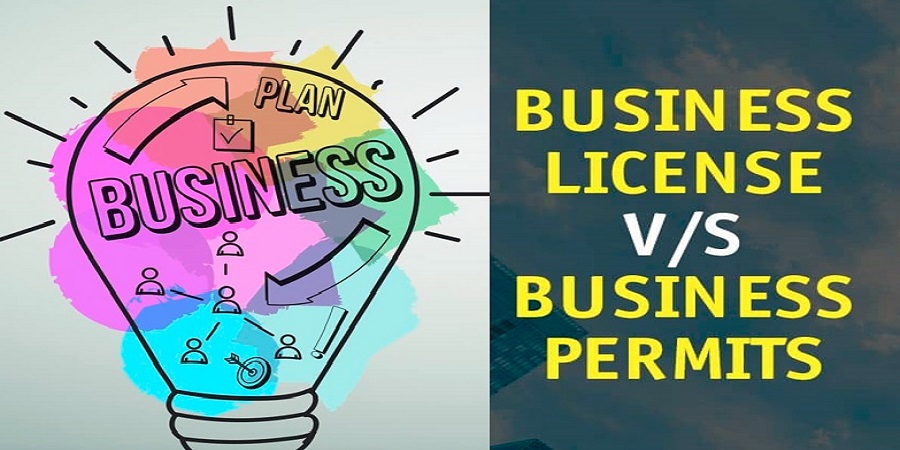
In the given article Law Ki Dunya provides the full state guideline of the Business Licensing and Permits in the USA. The Government-issued licenses and permits Business licenses and permits Business licenses and permits are government-authorized licenses that allow individuals or businesses to legal conduct their business. Licenses validate that a business fulfills the standards of regulatory, safety, and professional standards. The special permits include sale of alcohol, dealing with food or operating in controlled areas. It is important to obtain relevant licenses and permits when in observation of the law and to escape fines.
Importance of Legal Compliance for Businesses in the USA
The law is something that you have to follow in order to work safely and to not pay fines, sentences, and even close down. Any not satisfying those requirements may result into a lawsuit, cancellation of permits, or harm to the reputation of your company. Being aware of the licenses and permits required by your business will help you to run well, gain customer confidence, and have positive relationships with regulators.
Overview of Federal, State, and Local Requirements
The United States has to face through a few layers of regulation. Federal licenses include broadcasting, transportation and firearms industries. State licenses are used in the areas of professional services, healthcare, building and retail depending on the law of a state. Local permits, issued by a city or a county, may have zoning approvals, health check-ups or sales tax registration. The fees of each level, the time of renewal, and the paperwork are different, which means that each owner has to determine and follow all the applicable regulations.
Knowing the breadth of federal, state, and local licenses, entrepreneurs can make plans in advance, prevent legal problems, and establish the strong base of the long-term success.
Types of Business Licenses and Permits
Federal Licenses
Some industries in the U.S. require federal licenses due to regulations in the country. These include alcohol sales, guns, aircraft, and agriculture. Federal licenses guarantee adherence to the countrywide safety, environmental as well as operational regulations and are obligatory prior to legally operating within those segments.
State Licenses
Professional services, healthcare providers, construction companies and retail operations are subject to state licenses. Every state possesses its licensing board and renewal guidelines. State licenses attest that the businesses are up to state-specific safety and professionalism standards.
Local and City Permits
Local governments usually demand permits that concern zoning, health and sanitation, signage and fire safety. This is because these permits guarantee legal operations of the municipality and the safety of the people. As an example, a New York restaurant will need to acquire a state food-service license, a local health permit, and a fire-safety inspection prior to opening.
It is crucial to know what kinds of licenses and permits are needed both at federal, state, and local levels. Appropriate recognition and prompt compliance have enabled business people to concentrate on growth without compromising on sufficient legal basis.
Factors Affecting Business Licensing Requirements
Industry Type
The nature of licensing is highly industry-dependent. Severely regulated industries, like healthcare, food or construction, sale of alcohol or firearms, tend to have multiple licenses at all the three levels of government. Industries that are less regulated can only require a simple business registration or a general license.
Business Structure
Licensed required: Law structure: sole proprietorship, LLC, corporation, partnership. Corporations and LLCs in many cases have higher regulatory requirements such as state registrations, annual reports and additional permits. Proprietorships tend to have less complex requirements.
Location
The physical location of a business is a determinant of most of the licensing conditions. Various cities, counties and states have differing rules and zoning laws and permit requirements. The location can be a major consideration because local governments could require health checks, signage licenses, or fire-safety licenses.
Regulatory Agencies Involved
Licensing depends on the number and nature of agencies to which your company is subjected. This may require you to seek the approval of federal agencies like FDA, ATF, or FAA, state licensing authorities and departments in local municipalities. The agencies are allowed to have distinct applications, fees, and renewal schedules.
Through the assessment of industry, structure, location, and oversight the owners are able to locate all the necessary licenses with ease, prevent compliance issues, and forecast expenses. These knowledge areas assist companies to start and prosper in the operational environment within the confines of the law.
How to Apply for Business Licenses in the USA
Determine Business Type and Structure
Initially determine whether you own a sole proprietorship, LLC or corporation. Your structure dictates the licenses that you require at the federal, state and local levels.
Identify Required Licenses and Permits
Find out the specific licenses and permits of your industry, the location and nature of operation. Strictly controlled industries- food service, healthcare, alcohol normally require more than one approval. List everything down so that you do not leave out anything.
Check Federal, State, and Local Regulations
Each jurisdiction has different rules of licensing. The federal licenses can be imposed on agriculture, aviation, or firearms. Professional services, retail, and healthcare are controlled by state agencies. Zoning, signs, health inspections are handled by the local municipalities.
Prepare Documentation
Prepare all the required documents before you make an application. Such common items are personal ID, business plans, tax forms, evidence of insurance and financial records. No delays are caused by full documentation.
Submit Applications and Pay Fees
Depending on the agency, one can submit the application online or in person. Make payments and retain receipts. Processing is not quick and process your application.
Renew Licenses as Required
A great number of licenses should be renewed regularly. Keep a list of renewal dates and fulfill the continuing needs like inspections or new paper work to be legal. These measures will keep your business in check, prevent fines, and make sure that everything will run smoothly on every level.
Costs of Business Licensing and Permits
Business licensing and permits are also required to be renewed periodically, and their expenses may vary depending on the business type and the locality where the organization operates.<|human|>Business licensing and permits Costs of Business licensing and permits also require periodic renewal and the costs of the same can vary depending on the business type and location in which the organization is located.
Federal Fees
Depending on the industry, federal licenses can be as cheap as 50 to more than 1,000. Stiffly controlled areas, such as aviation, alcohol, firearms, agriculture, will have higher charges because of stringent enforcement and compliance.
State Fees
The cost of standard licensing fees in a state may vary between 50 to 500 or beyond in the costs of a license. Commissions depend on the state, industry, and type of business. An additional fee of professional services, healthcare and contractors may be charged to the state certifications or board approvals.
Local Fees
Local permits that include zoning passes, health passes, fire-safety passes or signage permits tend to range between $25 and 500. Fees can be different, as they vary by the needs of cities and counties.
Hidden Costs
In addition to the formal charges, there are other unofficial expenses, such as inspections, compliance tests, and renewals. Such recurrent costs ensure that the business is legal and fines are avoided.
Cost Estimation Tip
Utilize online platforms, such as SBA.gov, to approximate the cost of licensing and permits by state and industry. Be prepared and estimate both initial and repetitive charges so as to anticipate unexpected expenses.
Knowledge of these cost ranges enables owners to foresee costs, meet regulations and ensure that operations are running efficiently.
“Learn more about Business Law Compliance in the USA”
Common Mistakes to Avoid in Business Licensing
Assuming One License Covers All Levels
It is a mistake to depend on one license to meet the federal, state and local requirements. The levels have different permits. Failure to satisfy a requirement may result in both fines and shutdowns.
Ignoring Renewal Deadlines
The majority of licenses should be periodically renewed. The failure to meet a deadline may lead to the loss of legal authorization, penalty fines or closure. Keep a renewal calendar.
Skipping Inspections or Compliance Requirements
Health, safety and fire permits frequently imply compulsory inspections. Avoidance or postponement of inspections may result in breaking the law, fines or even closure of business.
Not Consulting Legal or Accounting Professionals
Ignoring the professional recommendation may lead to the omission of requirements, lost documents or wrong calculation of fees. Professionals assist you in wrapping your head around complicated regulations, cost-sensitivity, and lawsuits.
Avoiding such traps will make your business stay within the limit, reduce unwarranted expenses and provide efficiency to all levels. The successful licensing is dependent on proactive planning and professional guidance.
Tips to Save Time and Money on Business Licensing
Use Online Federal and State Portals
Numerous agencies have digital applications that decrease the amount of paperwork, errors, and time taken to process as opposed to face-to-face submissions.
Hire a Licensing Consultant for Complex Industries
Consultants are conversant with the federal, state as well as local regulations. They assist in filling in forms correctly and reduce the time wastage and errors.
Bundle Applications When Possible
There are jurisdictions where several permits can be requested simultaneously. Bundling reduces administration expenses, time wastage as well as making it easier to track fees.
Keep All Documentation Organized
No missed deadlines, duplicate filings and neat records of applications, approvals and correspondence ensure that all are implemented. It is also used to facilitate renewals and reporting by use of organized files.
In doing so, the owners will save time and cost and they will go through the licensing process more efficiently. Compliance with order keeps and proactive planning makes the task easy.
Industry Examples of Business Licensing
Restaurants
They require state food-service license, a local health permit, and an alcohol licensing in case they are selling alcohol. Depending on the local regulations, fire-safety inspections and signage permits may also be necessary.
Construction Companies
Construction companies require a state contractor license, project building permits and safety inspections, including OSHA inspections or local building codes. Certain sites might require permission of the municipality.
Retail Stores
The first permits required by retailers are usually sales-tax permits, local signage permits and zoning approvals. The state or federal license such as the tobacco or alcohol license may also be needed depending on the products being sold.
Home-Based Businesses
Although home-based operations do not require as many licenses as they require, they are also required to abide by the rules. Common conditions are that there must be a home-occupation permit, registration with state sales tax, in case of sale of goods, and compliance with zoning and safety regulations.
Understanding these industry requirements will assist business owners to be budget conscious, remain compliant and concentrate on growth with minimum legal risks.
Conclusion
Importance of Obtaining All Licenses and Permits
The legal operation in the USA requires obtaining of the required business licenses and permits. Federal, state and local regulations help to ensure that your business is not fined, fined or even shut down. Correct licensing also creates credibility among the customers and authorities, which forms the basis of success in the long run.
Early Research Prevents Fines and Delays
The most important aspect of preventing expensive errors is proactive research and planning. Determine all necessary licenses, know how to apply and follow up on renewal dates so that your business is in line. Ensuring preparation early leads to delays being avoided, administrative burdens being lowered and even assists in keeping operations running well at the start.
Cost-Effective Strategies and Compliance Tips
Online portals can save business time and money, and in the case of applications, such as bundling, and keeping a proper record. Engaging a licensing consultant in complicated industries, keeping track of renewal dates, and ensuring that mandated checks are done on time are other measures that can help to be in compliance at the most efficient level.
FAQs
1. What is the difference between a business license and a permit?
A business license permits you to be legally in operation whereas a permit permits particular business (e.g., health, signage, alcohol).
2. Do all businesses in the USA need a license?
Depending on the industry and the location, most businesses require one federal, state, or local license.
3. How much do business licenses cost in the USA?
Prices differ: federal costs $50 -1,000 or more, state costs 50 -500 or more, local costs 25 -500. There are unknown costs associated with inspections and renewals.
4. How can I check which licenses my business needs?
Utilize federal and state sites, local city portals or inquire with a licensing professional.
5. Can I operate my business without a license in the USA?
No. It is possible to be fined, closed or a lawsuit can be taken against an operator who operates without appropriate licenses.
6. How often do I need to renew my business licenses?
Renewal can be either annual, biannual or as stipulated by the federal, state or local agencies.
7. Are there tips to save time when applying for licenses and permits?
Yes- online portals, package applications, get a consultant to work on difficult industries, and maintain all documents in order.