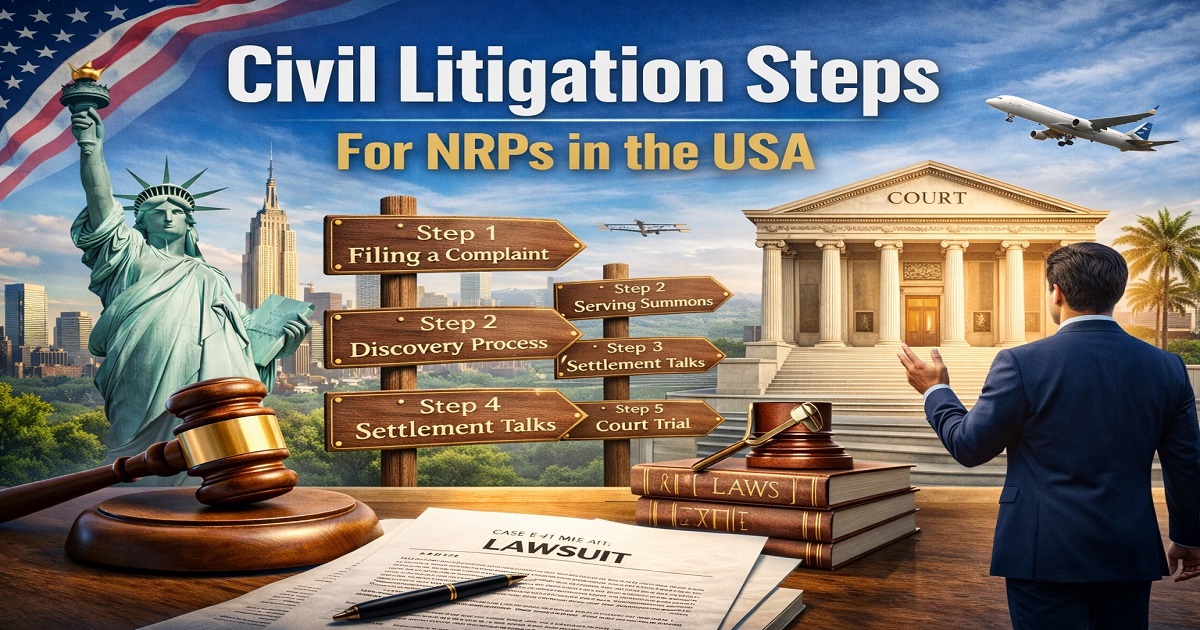
In the given article Qanoon Ki Dunya provides the full state guideline of the Reduce Legal Costs For Civil & Property Litigation in the USA. The USA is well known as a country with expensive civil and property litigation. The time and cost of legal procedures, time-consuming court proceedings, and exorbitant attorney costs have an accumulative effect. Contract defenses, property title claims, landlord tenant, or even property transfer litigation, typically require numerous documents, expert testimony, and numerous appearances in court. These aspects increase the cost. Lawyers usually work on an hourly basis, and therefore a protracted case will make a huge cost to individuals and corporations.
The cost of litigation also goes up with filing fees, discovery costs, deposition costs as well as the use of experts like surveyors or property valuers. In business terms, civil or property cases that are not settled in time may lead to business disruption, missed opportunities, and damaged reputation, additional financial pressure on top of the immediate cost of litigation. People are also under the same pressure, particularly when their personal properties or long-term investments are under threat.
Due to these factors, it is necessary to implement cost-cutting measures. By taking legal costs in hand, parties save their money and remain in a position to defend or claim their rights. Economy of planning and informed decision-making and prior examination of options can reduce unnecessary costs without damaging the values of cases. Learning how to manage litigation costs is not only helpful in an environment where the costs can skyrocket; it is in many cases crucial to the practical and sustainable solutions.
Understanding Legal Costs in Civil & Property Cases
There are numerous levels of costs of a case in terms of civil and property litigation that define how much a case will cost. Having an idea of such aspects assists individuals and companies in making their financial plans more efficient and prevent unpleasant monetary stress.
Attorney Fees and Billing Structures
The highest part of the legal costs is typically attorney fees. Attorneys can also charge an hourly, flat fee, or retainer. The uniformity of hourly billing may increase costs on complicated cases which require extensive research, bargaining, or court hearings. The selected type of billing directly influences the extent to which the final cost is going to be predictable or unpredictable.
Court Costs and Filing Fees
When a legal claim is being pursued or defended, there are court-related costs that must be incurred. These are filing charges, motion charges, and access to official court records. Even though each fee appears small, making recurrent filings and long-term proceedings can significantly increase the total costs.
Expert Witness and Professional Charges
Civil and Property litigations usually require expert opinions in support of claims or defense. There are separate charges by property appraisers, surveyors, engineers and financial experts who may charge high fees. They can be a strong element to a case, and also introduce a lot of cost.
Impact on Total Legal Expenses
Litigation may be costly as a combination of attorney fees, court expenses, filing fees, and expert fees. Knowledge of the interaction of these costs enables the parties to make informed choices and to be more in control with regard to their expenditure during the case.
Common Reasons Legal Costs Escalate
Civil and property cases are known to increase legal costs due to factors which increase the time and complexity of litigation. By understanding these causes, individuals and corporations can engage in preventive measures when costs get out of control.
Prolonged Litigation and Delays
Cases that span months and years would inherently become costlier. The protracted length of time spent in court cases increases the time spent by the attorneys, the time spent by the court, and the administrative costs that are involved, which ultimately raise legal charges and the cost of continuing to wait in court.
Lack of Proper Documentation
Unfinished or inconsistent records may greatly increase legal costs. Without the availability of important records, contracts or property papers, lawyers have to use additional time to collect evidence, establish facts, and counter challenges, which increases billable hours.
Poor Case Preparation
Lack of adequate preparation at an early stage of a case, in most cases will result in errors, redundant filings or poor presentation. It may lead to delays, adverse decisions or the necessity of correction measures, which increase the total expenses.
Unnecessary Motions and Legal Actions
Unnecessary or unnecessary filing of motions can add up to high costs. Every motion has to be drafted, filed, and in some cases, hearings in court, which involves not only attorney fees but also court fees.
Miscommunication with Attorneys
The lack of clarity in communication between the clients and attorneys may result in the misunderstandings, duplication, or failure to meet the deadline. Such ineffectiveness frequently results in more legal effort and increased expenditure that would have been prevented by effective, prompt communication.
Choosing the Right Advisor to Reduce Costs
To manage the cost of legal services in civil and property proceedings, the choice of attorney is important. A seasoned attorney is familiar with the legal processes, the local legislations, and typical pitfalls, which can be used to manage cases better. This experience minimizes needless delays, duplication of filing, and expensive errors that cause upsurge in fees.
Importance of Specialization
Property and civil law specialists are more suited to deal with case-specific matters. Their specialized skills allow faster evaluation, better tactics, and better recommendations, reducing the amount of time devoted to research and experimentation. The number of specialized lawyers finds that they tend to settle disputes quicker and reduce costs directly.
Transparent Fee Structures and Communication
Billing and communication transparency influences cost control. Lawyers who make a clear fee structure, approximate cost and the risk that might arise, make a client better plan his budget. Continuous updates and transparent conversations about the case status avoid misunderstandings and redundant work, keep the legal works and financial objectives in line.
Improved Outcomes with Cost Efficiency
Hiring a skilled, open attorney does not just save money, but also enhances the case results. Disputes can be effectively solved with the help of the efficient strategies, clear communication, and informed decision-making that will save both the financial and legal interests in a timely and efficient way.
Alternative Dispute Resolution Methods
Alternative dispute resolution (ADR) gives feasible methods of resolving civil and property disputes at comparatively low cost in contrast to the conventional trials. These strategies are speedy, collaborative, and quicker in outcome and thus they appeal to people and companies that plan to contain expenses.
Mediation as a Cost-Saving Option
In mediation, a third party is involved, who is neutral and facilitates the communication process between the parties to bring about a compromise. It is often less formal and quicker than litigation and it saves attorney time as well as court expenses. It is also through mediation that parties are able to have greater control over the outcome without damaging professional or personal relationships.
Arbitration for Faster Resolutions
The Arbitration is an organized act in which evidence is presented before an arbitrator. Arbitration has fewer procedural steps and shorter time schedules than a court trial. This efficiency translates to less legal charges, less filing expenses and faster resolution.
Settlement Negotiations Outside Court
Negotiations of settlements may occur at any point of the dispute and usually help to avoid the trial of the cases. Early plea bargaining saves parties long discovery, expert costs and discovery. Settlement provide an effective and affordable alternative and reduce the financial and emotional stress.
Smart Case Preparation Strategies
One of the surest methods of reducing the legal expenses in cases of civil and property confrontation is to prepare the case effectively. Well-prepared information gives the attorneys an opportunity to concentrate on strategy and less on administration, which leads to increased efficiency and reduced billable hours.
Organizing Documents and Evidence
The organization of documents and evidence saves time that attorneys use in search. Property records, contracts, correspondence, and financial documents are clear, and by using them, the lawyers can analyze the case in a short period and produce strong arguments without any unnecessary postponements.
Creating Clear Timelines and Case Facts
Giving a clear chronology of events assists attorneys to realize the order and find out the main legal problems in the first place. A legal analysis is much more efficient and accurate when the facts are given in order, so the person would not have to engage in follow-ups or corrections.
Seeking Early Legal Advice
Mistakes that are costly can be avoided by consulting an attorney early in a dispute. The initial guidance assists clients in identifying the rights, evaluating risks, and making decisions on the most effective one. Active intervention usually makes litigation expeditious and cost-effective.
Using Legal Technology to Cut Costs
Legal technology will be an effective means of minimizing costs in civil and property cases. Modern tools enable clients and attorneys to deal with cases more economically and efficiently because they simplify tedious work and communication.
Online Legal Tools and Research Platforms
Statutes, case law and property records are more readily accessed online. They minimize the time that attorneys spend in manual research reducing billable hours. Clients will have an opportunity to share documents and monitor progress without having to meet each other too many times.
Document Automation and Standardization
Contracts, pleadings and notices are generated correctly in a moment using automation software. Automated templates reduce time and errors in drafting and, as a result, enable lawyers to concentrate on strategy instead of paperwork, which controls costs.
Virtual Consultations and Communication
Virtual meetings reduce the amount of time and delay in scheduling, providing legal services more easily and at a low price. Online discussions allow making quick decisions and keeping things up-to-date, which makes them more efficient and reduces the overall expenses.
Digital Case Management Systems
Case management is digitalized, and all documents, deadlines, and communications are concentrated on a single platform. This organization facilitates a workflow, avoids deadlines, and minimizes the administration work, causing less expenditure and easier management.
Understanding Fee Structures and Billing Options
The appropriate fee structure may also have a substantial effect on the overall expense of a civil or property case. Billing knowledge assists clients to choose plans that suit them and their financial status.
Flat Fees and Predictable Costs
Flat fees are charged a standard amount on certain services e.g. drawing up an agreement involving a property or an uncontested case. This alternative provides predictability of cost since the overall cost is incurred at the beginning, irrespective of the amount of time taken.
Limited-Scope Representation
Limited-scope representation allows the client to engage an attorney to represent the client in limited areas of a case instead of being fully represented. As an illustration, a lawyer can look at records or provide consultation as the client handles filings. This strategy is cost saving and yet offering professional advice.
Contingency Fees in Applicable Cases
Contingency fees imply that the lawyer is paid only on a case that is won, typically in percentage form of the recovery. Although this is more prevalent in personal injury, this structure is applicable to civil actions of financial claims to minimize initial costs.
Payment Plans and Flexible Billing
Installments allow customers to pay their legal fees as installments rather than necessarily in a lump sum. This alternative enables individuals and companies to operate cash flow in addition to having quality representation, which makes litigation more cost-effective.
Preventive Legal Planning for Property & Civil Matters
Proactive legal planning is at the preventive stage that can largely avoid costly conflicts. Avoiding possible challenges in their early stages allows people and companies to save their money and interests.
Well-Drafted Contracts
Contracts that are well drafted help to define rights, obligations and expectations. Understandable agreements decrease misunderstanding, breach, and give a solid growth in the event of conflict, which cuts down the lengthy legal battles.
Legal Compliance and Regulations
Loyalty to the local property laws, zoning regulations and civil laws prevents penalties, fines and strikes. Periodic review of obligations will ensure that owners and businesses uncover risks at an early stage and manage them before they develop into expensive controversies.
Early Dispute Resolution
Disputes that are settled at the initial stages by means of negotiations, mediation, or other ADR processes frequently prevent the development of trials to completion. Early intervention is cost-effective in terms of fees and court costs and saves relationships and reputations and is a viable and cost-effective way to settle civil and property disputes.
Conclusion
To lower the legal expenses on civil and property litigations, one has to think it through and make wise choices and professional choices. Knowing the attorney fees, court expenses, and expert charges enable a client to know the expenses and budgeting. Hiring of senior and specialized lawyers, organized documents, and early consultation with lawyers increase efficiency and reduce billable hours. Litigation is reduced through the use of alternative dispute resolution, legal technology, and adaptable billing. Preventive planning involves the drafting of good contracts and keeping of rules, preventing conflicts before they expand. Following such strategies, people and companies can secure their wealth, and at the same time, record positive results, and it is evidence that informed decisions are the best way to manage litigation costs.
FAQs
1. Why are civil and property cases expensive in the USA?
They entail attorney costs, filings in court, expert witnesses, and prolonged court cases.
2. Can I reduce legal costs without hurting my case?
Yes, prudent planning, mediation, and effective paperwork are a big reduction in costs.
3. Is mediation cheaper than going to court?
Yes, mediation is quicker, less formal and much less expensive than trials.
4. How do attorney fee structures affect total costs?
Hourly billing is more costly in the long run, whereas flat rates provide certainty in prices.
5. Can legal technology really save money?
Yes, the digital tools lower the amount of manual labor, paperwork, and billable hours.
6. Should I hire a specialized attorney for property cases?
Yes, experts are quicker at solving problems and do not make expensive errors.
7. What is limited-scope legal representation?
It also enables one to hire a lawyer on a case-by-case basis, which lowers the total legal expenses.